
Are you hosting a webinar and looking for ways to make it more interactive and engaging? Well, look no further! In this article, we will dive into the exciting world of polls and surveys and explore how you can incorporate them into your webinars. With just a few simple HTML paragraph snippets, you can transform your webinar into an interactive experience that will captivate your audience.
Webinars have become an increasingly popular way to share knowledge and connect with people from all over the world. However, one common challenge is keeping the audience engaged throughout the entire session. That’s where polls and surveys come in. By seamlessly integrating them into your webinar, you can gather valuable feedback, spark discussions, and make your audience feel like an active part of the presentation. So, let’s explore the different ways you can use polls and surveys to enhance your webinars and create an immersive experience that will leave a lasting impression. Get ready to take your webinars to the next level!
Wondering how to incorporate polls and surveys in webinars? It’s a great way to engage your audience and gather valuable feedback. Here’s a step-by-step tutorial:
- Choose a webinar platform that supports polling and survey features.
- Create your poll or survey questions beforehand.
- During the webinar, launch the poll or survey and share the link with your participants.
- Give your audience time to answer the questions.
- Once everyone has responded, share the results with your audience.
- Use the feedback to enhance your webinar content and improve future presentations.
How to Incorporate Polls and Surveys in Webinars
Webinars have become an essential tool for businesses and organizations to connect with their audience, share valuable information, and engage in meaningful conversations. One way to enhance the webinar experience and gather valuable insights from participants is by incorporating polls and surveys. In this article, we will explore the benefits of using polls and surveys in webinars and provide practical tips on how to effectively integrate them into your next online event.
The Benefits of Using Polls and Surveys in Webinars
Polls and surveys offer numerous advantages for both webinar hosts and participants. For hosts, they provide real-time feedback and insights, allowing them to tailor their content to the audience’s needs and preferences. This leads to a more engaging and interactive session, increasing the chances of participants staying engaged throughout the webinar. Additionally, polls and surveys help hosts gather valuable data and analytics, which can be used to improve future webinars and make data-driven decisions.
On the other hand, participants benefit from polls and surveys as they allow them to actively participate and have their voices heard. It creates a sense of involvement, making attendees feel like valued contributors rather than passive listeners. Polls and surveys also provide an opportunity for participants to learn from their peers’ responses, gaining insights and perspectives they may not have considered before. Overall, incorporating polls and surveys in webinars enhances the overall experience for both hosts and participants.
Best Practices for Incorporating Polls and Surveys
Now that we understand the benefits, let’s dive into some best practices for incorporating polls and surveys in webinars:
1. Determine Your Objectives
Before creating your polls and surveys, clearly define your objectives. What specific information or insights are you hoping to gather? Are you looking to gauge participants’ prior knowledge, collect feedback on specific topics, or gather demographic information? By having clear objectives, you can design your polls and surveys to effectively meet your goals.
2. Choose the Right Platform
Not all webinar platforms offer built-in polling and survey features. Research different platforms and choose one that provides robust polling and survey capabilities. Look for options that allow you to customize the questions, display real-time results, and export data for further analysis.
3. Integrate Polls Strategically
When incorporating polls into your webinar, strategically place them at relevant points in your presentation. For example, you can start with an icebreaker poll to engage participants from the beginning. Throughout the webinar, use polls to check for understanding, gather opinions, or spark discussions. Be mindful not to overload participants with too many polls, as it may disrupt the flow of the presentation.
4. Design Engaging Questions
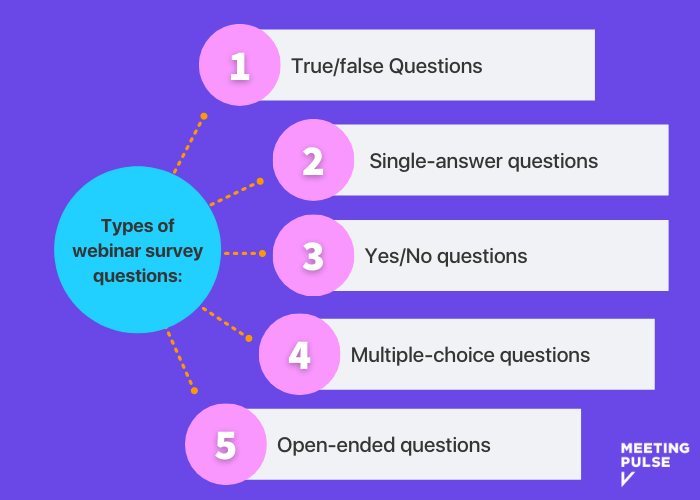
The success of your polls and surveys depends on the quality of the questions. Aim for questions that are clear, concise, and relevant to the webinar topic. Use a mix of multiple-choice, open-ended, and rating scale questions to gather different types of information. Consider incorporating visual elements, such as images or charts, to make the questions visually appealing and engaging.
5. Communicate the Purpose
When introducing a poll or survey, clearly communicate its purpose to participants. Let them know why their input is valuable and how it will be used. By emphasizing the importance of their responses, you encourage active participation and increase the likelihood of honest and thoughtful answers.
6. Analyze and Utilize the Data
After the webinar, take the time to analyze the data collected from the polls and surveys. Look for patterns, trends, and insights that can inform future content or marketing strategies. Share the findings with your team and use the data to make data-driven decisions and improvements for future webinars.
Conclusion
Incorporating polls and surveys in webinars is a powerful way to engage participants, gather valuable insights, and create a more interactive and tailored experience. By following these best practices, you can make the most out of polls and surveys, enhancing the overall webinar experience for both hosts and participants.
Key Takeaways: How to Incorporate Polls and Surveys in Webinars
- Engage your audience by including interactive polls and surveys during your webinar.
- Use online platforms or webinar software that offer built-in polling and survey features.
- Prepare relevant and thought-provoking questions to ask your audience.
- Use polls to gather instant feedback and opinions from your attendees.
- Surveys can help you gather more detailed information and insights after the webinar.
Frequently Asked Questions
1. How can I create engaging polls in my webinars?
Creating engaging polls in your webinars is a great way to interact with your audience and gather valuable insights. To incorporate polls, you can use webinar platforms that have built-in polling features. These platforms usually provide a user-friendly interface where you can create multiple-choice or open-ended questions for your participants to answer.
When creating polls, make sure the questions are relevant to your webinar topic and encourage participation. You can ask for opinions, preferences, or even gather demographic information. Additionally, consider using visual aids such as images or charts to make the polls more visually appealing and engaging for your audience.
2. How do I use surveys to gather feedback in my webinars?
Surveys are an effective way to gather feedback from your webinar attendees. To incorporate surveys in your webinars, you can use online survey tools such as Google Forms or SurveyMonkey. These tools allow you to create customized surveys with various question types, including multiple-choice, rating scales, and open-ended questions.
Prior to your webinar, share the survey link with your attendees and encourage them to provide feedback after the session. During the webinar, you can also include a poll asking participants if they would be interested in providing feedback through a survey. This can help gauge their willingness to participate and increase response rates.
3. Can I use polls and surveys to gather data for future webinars?
Absolutely! Polls and surveys can provide valuable data that can be used to improve future webinars. By asking participants about their interests, preferences, and needs, you can gain insights that will help you tailor your content and delivery for upcoming sessions.
Make sure to analyze the data collected from polls and surveys to identify patterns and trends. This information can guide you in selecting relevant topics, determining the best format for your webinars, and understanding the demographics of your audience. Continuously collecting and analyzing data will allow you to refine your webinar strategy and provide a better experience for your attendees.
4. Are there any best practices for incorporating polls and surveys in webinars?
There are several best practices to consider when incorporating polls and surveys in your webinars:
– Keep the number of questions concise: Participants are more likely to engage with shorter surveys and polls, so try to keep them focused and to the point.
– Time the polls strategically: Place polls at appropriate intervals during your webinar to maintain audience engagement and break up the content. Avoid overwhelming participants with too many polls in a short period of time.
– Share the results: After the polls and surveys have been completed, consider sharing the results with your audience. This not only provides transparency but also adds value to the overall webinar experience.
5. Are there any alternatives to traditional polls and surveys for audience interaction in webinars?
Yes, there are alternative methods for audience interaction in webinars besides traditional polls and surveys. Some options include:
– Live chat: Encourage participants to ask questions or share their thoughts through a live chat feature. This allows for real-time interaction and engagement.
– Q&A sessions: Dedicate specific time during your webinar for participants to ask questions and receive answers. This promotes two-way communication and fosters engagement.
– Social media integration: Incorporate social media platforms such as Twitter or LinkedIn to encourage participants to share their insights or ask questions using a designated hashtag.
By offering these alternative methods, you can provide different avenues for audience interaction and cater to different preferences and communication styles.
Final Thoughts on Incorporating Polls and Surveys in Webinars
As we wrap up our discussion on how to incorporate polls and surveys in webinars, it’s clear that these interactive tools can greatly enhance the engagement and effectiveness of your online presentations. By leveraging the power of HTML snippets, you can seamlessly integrate polls and surveys into your webinar content, making it more dynamic and interactive for your audience.
One key takeaway is the ability to use polls to gather real-time feedback from participants. This instant feedback can help you tailor your webinar content to the needs and preferences of your audience, ensuring that you deliver a truly valuable and engaging experience. Surveys, on the other hand, allow you to gather more detailed and comprehensive data, providing insights that can inform future webinars and business decisions.
Additionally, incorporating polls and surveys into your webinars can foster a sense of community and active participation among your audience. By encouraging them to actively engage in the content, you create a more interactive and memorable experience. This can lead to increased attendee satisfaction, improved knowledge retention, and even higher conversion rates.
To optimize your webinar for search engines, be sure to include relevant keywords in your poll and survey questions, as well as in the overall webinar content. This will help search engines understand the relevance of your webinar to user queries, improving its visibility in search results.
In conclusion, polls and surveys are powerful tools for enhancing the interactivity, engagement, and effectiveness of your webinars. By incorporating HTML snippets and following best practices for on-page optimization, you can create a truly immersive and valuable webinar experience for your audience. So go ahead, start incorporating polls and surveys into your webinars and take your online presentations to the next level!