
In the fast-paced world of digital marketing, businesses are constantly on the lookout for new and effective strategies to reach their target audience. One such strategy that has been gaining significant traction is influencer marketing. But just how effective is influencer marketing? Is it really worth the investment? Let’s dive in and explore the power of this popular marketing technique.
When it comes to reaching and engaging with consumers, influencer marketing has proven to be a game-changer. By leveraging the influence and credibility of social media personalities, brands can tap into a ready-made audience that is already interested in their niche. This targeted approach allows businesses to connect with potential customers in a more authentic and relatable way, bypassing traditional advertising methods that often fall on deaf ears.
But the effectiveness of influencer marketing goes beyond just audience reach. It also lies in the trust and connection that influencers have with their followers. Unlike traditional ads, which can often be seen as intrusive or pushy, influencer content feels more like a recommendation from a friend. This level of trust and authenticity can significantly impact consumer behavior, leading to increased brand awareness, higher engagement rates, and ultimately, more conversions. So, if you’re wondering whether influencer marketing is worth the hype, the answer is a resounding yes! It’s a powerful tool that can help businesses forge meaningful connections with their target audience and drive real results.
Influencer marketing has proven to be highly effective in driving brand awareness, engagement, and sales. By partnering with influential individuals who have a large following, brands can reach a wider audience and build trust with consumers. Studies have shown that consumers are more likely to trust recommendations from influencers they follow, leading to increased purchase intent. Additionally, influencer marketing allows for more targeted and personalized campaigns, resulting in higher conversion rates. Overall, the effectiveness of influencer marketing can vary depending on factors such as the influencer’s relevance to the brand and the authenticity of the partnership.
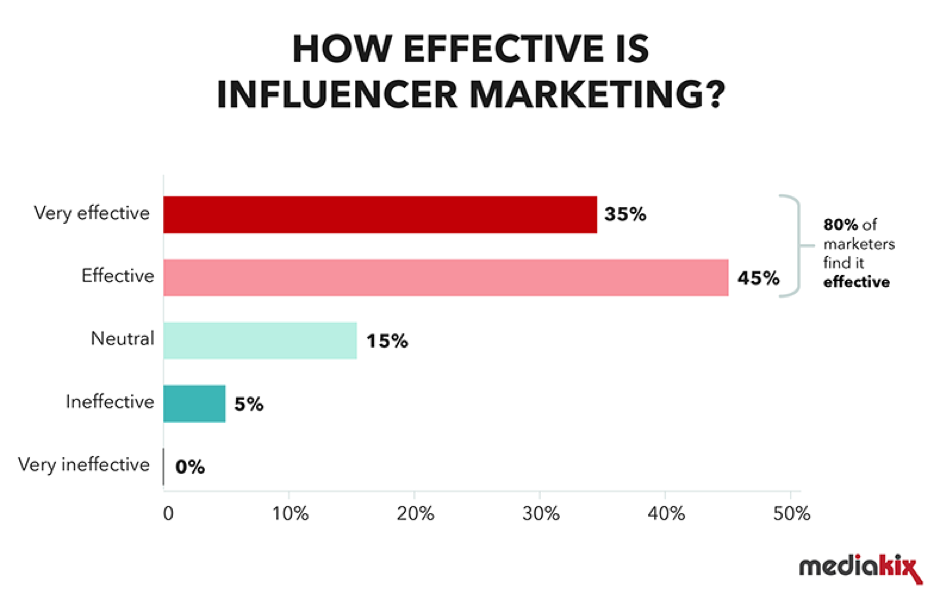
How Effective is Influencer Marketing?
In today’s digital age, influencer marketing has become a powerful tool for brands looking to reach their target audience in a more authentic and engaging way. By partnering with influencers who have a loyal following on social media platforms, businesses can leverage their influence to promote their products or services. But just how effective is influencer marketing? Let’s explore the various aspects of this marketing strategy and its impact on businesses.
The Rise of Influencer Marketing
In recent years, influencer marketing has gained significant popularity among brands of all sizes. Traditional advertising methods are becoming less effective in capturing the attention of consumers who are increasingly turning to social media for recommendations and product information. Influencer marketing offers a solution by tapping into the trust and credibility that influencers have built with their audience. By partnering with the right influencers, brands can leverage their influence to reach a highly targeted and engaged audience.
Influencer marketing has proven to be particularly effective in industries such as fashion, beauty, fitness, and travel. By showcasing products or experiences in an authentic and relatable way, influencers can generate genuine interest and excitement among their followers. This has led to increased brand awareness, customer engagement, and ultimately, sales for businesses.
Benefits of Influencer Marketing
There are several key benefits that make influencer marketing a highly effective strategy for businesses. Firstly, it allows brands to tap into the influencer’s existing audience, which is often highly engaged and receptive to their recommendations. This can significantly increase brand visibility and awareness among the target market.
Secondly, influencer marketing provides an opportunity for brands to showcase their products or services in a more organic and authentic way. Influencers are skilled at creating content that seamlessly integrates with their personal brand, making it more relatable and trustworthy for their followers. This can help build a positive brand image and establish credibility in the eyes of potential customers.
Thirdly, influencer marketing allows brands to leverage the power of social proof. When an influencer recommends a product or service, their followers perceive it as a genuine endorsement, leading to increased trust and confidence in the brand. This can result in higher conversion rates and customer loyalty.
In addition to these benefits, influencer marketing also offers a cost-effective alternative to traditional advertising methods. Collaborating with influencers is often more affordable than running a large-scale advertising campaign, making it an attractive option for businesses with limited marketing budgets.
Measuring the Effectiveness of Influencer Marketing
While influencer marketing has proven to be effective for many brands, it is essential to measure its impact to determine the return on investment (ROI) and optimize future campaigns. There are several key metrics that can help gauge the effectiveness of influencer marketing efforts.
One crucial metric is engagement, which refers to the level of interaction and audience participation with the influencer’s content. This includes likes, comments, shares, and clicks on links provided by the influencer. High engagement rates indicate that the content resonates with the audience and has successfully captured their attention.
Another important metric is reach, which measures the number of people who have been exposed to the influencer’s content. A high reach indicates that the brand’s message has been seen by a large audience, increasing brand visibility and potential customer reach.
Conversion rates are also a valuable metric for measuring the effectiveness of influencer marketing. By tracking the number of conversions, such as purchases or sign-ups, that can be directly attributed to the influencer’s promotion, brands can determine the impact on their bottom line.
It is important for brands to set clear objectives and define key performance indicators (KPIs) before embarking on an influencer marketing campaign. This allows for more accurate measurement of the campaign’s success and enables data-driven decision-making for future campaigns.
Overall, while influencer marketing can be highly effective, its success depends on various factors, including the choice of influencers, the quality of content, and the relevance of the brand to the influencer’s audience. By carefully selecting and collaborating with influencers who align with their brand values and target market, businesses can maximize the effectiveness of their influencer marketing efforts.
The Role of Influencer Marketing in the Digital Landscape
In today’s digital landscape, influencer marketing has emerged as a powerful strategy for brands to connect with their target audience. With the rise of social media platforms, consumers are increasingly turning to influencers for product recommendations and lifestyle inspiration. As a result, influencer marketing has become an integral part of many brands’ marketing strategies. Let’s explore the various aspects of influencer marketing and its role in the digital landscape.
The Power of Influencer Endorsements
One of the key reasons why influencer marketing is so effective is the power of influencer endorsements. Influencers have built a loyal following on social media platforms by creating engaging and relatable content. Their followers trust their opinions and recommendations, making influencer endorsements highly influential.
When an influencer promotes a product or service, it is seen as a personal recommendation rather than a traditional advertisement. This personal touch resonates with the audience, leading to higher levels of engagement and trust. As a result, brands can leverage the influencer’s influence to increase brand awareness, drive sales, and build brand loyalty.
The Impact on Consumer Behavior
Influencer marketing has a significant impact on consumer behavior, particularly among younger demographics. Millennials and Gen Z consumers, in particular, are highly influenced by social media and rely on influencers for product recommendations and lifestyle inspiration. According to a survey conducted by Morning Consult, 70% of millennials are influenced by the recommendations of their peers on social media when making a purchase decision.
Influencers have the ability to create aspirational content that resonates with their audience’s desires and aspirations. By showcasing their own experiences and incorporating products or services into their content, influencers can create a sense of desire and FOMO (fear of missing out) among their followers. This drives consumer behavior and encourages them to make a purchase or engage with the brand.
The Evolution of Influencer Marketing
Influencer marketing has evolved significantly over the years, adapting to the changing digital landscape. Initially, influencers were primarily found on blogging platforms, but with the rise of social media platforms like Instagram, YouTube, and TikTok, influencers have gained even more prominence.
The evolution of influencer marketing has also brought about new formats of content and collaboration. Influencers now create a wide range of content, including sponsored posts, product reviews, tutorials, and live streams. Brands have also started to collaborate with micro-influencers, who have a smaller but highly engaged following, to reach niche audiences.
The Rise of Authenticity and Transparency
One of the key trends in influencer marketing is the emphasis on authenticity and transparency. As consumers become more savvy and discerning, they value genuine recommendations and transparency from influencers. Brands and influencers are now required to disclose sponsored content and ensure that their collaborations are authentic and aligned with their values.
Authenticity is crucial in influencer marketing because it builds trust and credibility with the audience. When influencers are transparent about their partnerships and provide honest reviews, their recommendations carry more weight and influence. Brands that prioritize authenticity in their influencer collaborations are more likely to see positive results and long-term brand loyalty.
The Future of Influencer Marketing
Influencer marketing is here to stay and will continue to evolve as technology and consumer behavior change. As social media platforms continue to dominate the digital landscape, influencers will remain a powerful force in shaping consumer opinions and driving purchasing decisions.
The Integration of Artificial Intelligence
Artificial intelligence (AI) is expected to play a significant role in the future of influencer marketing. AI-powered platforms can analyze vast amounts of data to identify the most suitable influencers for a brand’s target audience. This automation streamlines the influencer selection process and ensures that brands partner with influencers who can deliver the best results.
AI can also help optimize influencer marketing campaigns by providing real-time data and insights. Brands can track the performance of their campaigns, measure ROI, and identify areas for improvement. This data-driven approach allows for more effective influencer marketing strategies and better allocation of marketing budgets.
The Rise of Micro-Influencers
Micro-influencers, who have a smaller but highly engaged following, are expected to play a more significant role in influencer marketing in the future. As consumers become more skeptical of traditional advertisements, they are turning to micro-influencers for genuine recommendations and relatable content.
Micro-influencers often have a strong connection with their audience and are seen as more trustworthy and authentic compared to macro-influencers. Brands can leverage the influence of micro-influencers to reach niche audiences and drive highly targeted marketing campaigns.
The Importance of Influencer-Brand Alignment
As influencer marketing continues to evolve, the importance of influencer-brand alignment will become even more critical. Brands need to carefully select influencers who align with their values, target market, and brand image. This ensures that the influencer’s content resonates with the brand’s audience and maintains authenticity.
Influencer-brand alignment also extends beyond the initial collaboration. Brands should strive to build long-term relationships with influencers to maximize the impact of their influencer marketing efforts. By fostering genuine partnerships and nurturing relationships, brands can create a community of loyal advocates who will continue to promote their products or services.
The Power of User-Generated Content
User-generated content (UGC) is expected to play a more significant role in influencer marketing in the future. UGC refers to content created by consumers that showcases their experiences with a brand’s products or services. Brands can encourage their customers to create and share UGC, leveraging the power of their existing customer base.
By incorporating UGC into their influencer marketing campaigns, brands can showcase real-life experiences and testimonials, further increasing trust and credibility. UGC also allows brands to expand their reach beyond the influencer’s audience, tapping into the networks of their customers.
Conclusion
Influencer marketing has proven to be an effective strategy for brands to connect with their target audience in a more authentic and engaging way. With the rise of social media, influencers have gained significant influence and the ability to shape consumer opinions and behaviors. By leveraging the power of influencer endorsements, brands can increase brand awareness, drive sales, and build brand loyalty.
The future of influencer marketing lies in AI integration, the rise of micro-influencers, and the importance of influencer-brand alignment. AI-powered platforms can streamline the influencer selection process and optimize campaign performance. Micro-influencers offer a more authentic and relatable approach, while influencer-brand alignment ensures that collaborations are genuine and resonate with the brand’s audience.
As influencer marketing continues to evolve, brands must adapt and embrace new trends and technologies. By staying informed and leveraging the power of influencers, brands can stay ahead of the competition and effectively reach their target audience in the digital landscape.
Key Takeaways: How Effective is Influencer Marketing?
- Influencer marketing can be highly effective in reaching and engaging a target audience.
- By partnering with influencers who align with their brand values, businesses can build trust and credibility with their audience.
- Using influencers can help increase brand awareness and reach a wider audience.
- Influencer marketing can drive conversions and lead to increased sales for businesses.
- However, it’s important to carefully choose influencers and track the results to ensure the success of influencer marketing campaigns.
Frequently Asked Questions
In today’s digital age, influencer marketing has become a popular strategy for brands to reach their target audience. If you’re considering incorporating influencer marketing into your marketing strategy, you may have questions about its effectiveness. Here are some commonly asked questions about the effectiveness of influencer marketing:
1. Does influencer marketing really work?
Influencer marketing has proven to be highly effective for many brands. By partnering with influencers who have a loyal and engaged following, brands can tap into a ready-made audience that is more likely to trust and engage with their messaging. Studies have shown that influencer marketing can generate a higher return on investment compared to traditional forms of advertising. However, it’s important to note that the effectiveness of influencer marketing can vary depending on various factors such as the influencer’s relevance to your brand, the quality of content created, and the alignment between your brand and the influencer’s values.
2. How can influencer marketing benefit my brand?
Influencer marketing can provide several benefits to your brand. Firstly, it can help increase brand awareness. By partnering with influencers who have a large following, you can expose your brand to a wider audience. Secondly, influencer marketing can drive engagement and increase your brand’s social media presence. Influencers have the ability to create compelling and authentic content that resonates with their audience, which can lead to increased engagement and social media followers for your brand. Lastly, influencer marketing can also drive sales and conversions. Studies have shown that consumers trust recommendations from influencers, and partnering with the right influencers can help drive purchase decisions.
3. How do I measure the effectiveness of influencer marketing?
Measuring the effectiveness of influencer marketing can be done through various metrics. One common metric is engagement, which includes likes, comments, and shares on influencer posts. Tracking website traffic and conversions generated from influencer campaigns can also provide insights into the effectiveness of influencer marketing. Additionally, monitoring brand mentions and sentiment on social media can help gauge the impact of influencer collaborations. It’s important to establish clear goals and key performance indicators (KPIs) before embarking on an influencer marketing campaign to effectively measure its effectiveness.
4. Are there any risks or challenges associated with influencer marketing?
While influencer marketing can be highly effective, there are also potential risks and challenges to consider. One challenge is finding the right influencers who align with your brand values and target audience. It’s crucial to conduct thorough research and vetting to ensure that the influencers you partner with are authentic and have a genuine connection with their followers. Another risk is the potential for influencers to engage in fraudulent practices such as purchasing fake followers or engagement. Brands should carefully choose influencers with a proven track record of authenticity and transparency. Additionally, it’s important to have clear guidelines and expectations in place to ensure that influencer content aligns with your brand’s messaging and values.
5. Can influencer marketing be effective for small businesses?
Absolutely! Influencer marketing can be a valuable strategy for small businesses. In fact, partnering with micro-influencers who have a smaller but highly engaged audience can be more cost-effective and impactful for small businesses. Micro-influencers often have a strong connection with their followers and can provide a more targeted approach to reaching your desired audience. By carefully selecting and collaborating with relevant micro-influencers, small businesses can leverage the power of influencer marketing to increase brand awareness, engagement, and conversions.
How To Use Influencer Marketing To Grow Your Business (Strategies & Examples)
Final Summary: The Power of Influencer Marketing
In today’s digital era, influencer marketing has proven to be a highly effective strategy for businesses to reach their target audience. It has become a powerful tool that can boost brand awareness, increase engagement, and drive conversions. By leveraging the influence and credibility of social media influencers, companies can tap into their vast follower base and create authentic connections with potential customers.
One of the key reasons why influencer marketing is so effective is its ability to foster trust and authenticity. Unlike traditional advertising, which often comes across as pushy and sales-driven, influencer marketing allows brands to promote their products or services in a more genuine and relatable way. When consumers see influencers they admire using and endorsing a particular product, it creates a sense of trust and credibility. This can significantly influence their purchasing decisions and lead to higher conversion rates.
Moreover, influencer marketing is highly adaptable and can be tailored to suit different target demographics and niches. Whether you’re promoting beauty products, fitness gear, or even financial services, there’s an influencer out there who aligns with your brand values and can effectively convey your message to their followers. This level of personalization and niche targeting ensures that your marketing efforts are reaching the right people at the right time.
In conclusion, influencer marketing has proven to be a game-changer in the digital marketing landscape. Its ability to build trust, reach a targeted audience, and create authentic connections sets it apart from traditional advertising methods. By harnessing the power of influencers, businesses can elevate their brand, increase their online presence, and ultimately drive more conversions. So, if you’re looking to take your marketing strategy to the next level, it’s time to embrace the power of influencer marketing and unlock its full potential.