
Have you ever wondered how influencer marketing works? Well, let me break it down for you in a way that’s engaging and easy to understand. Influencer marketing has become a powerful tool for brands to reach their target audience and increase their visibility in the digital world. It’s like having a trusted friend recommend a product or service to you, but on a much larger scale. So, how does it actually work? Let’s dive in and find out!
Influencer marketing is all about leveraging the influence and reach of individuals who have a significant following on social media platforms. These individuals, known as influencers, have built a loyal community of followers who trust and value their opinions. Brands collaborate with these influencers to promote their products or services to their audience, tapping into their influence and credibility to create brand awareness and drive sales. It’s a win-win situation: the brand gets exposure to a targeted audience, and the influencer gets compensated for their endorsement. But there’s more to it than just a simple promotion. Influencer marketing is about creating authentic and meaningful connections between the brand, the influencer, and their audience. It’s about telling a story, sparking conversations, and building relationships that go beyond a one-time transaction. So, the next time you see your favorite influencer recommending a product, remember that there’s a whole world of strategy and collaboration happening behind the scenes to make it happen. Influencer marketing is a powerful force in the digital landscape, and understanding how it works can help you navigate this evolving landscape with confidence.
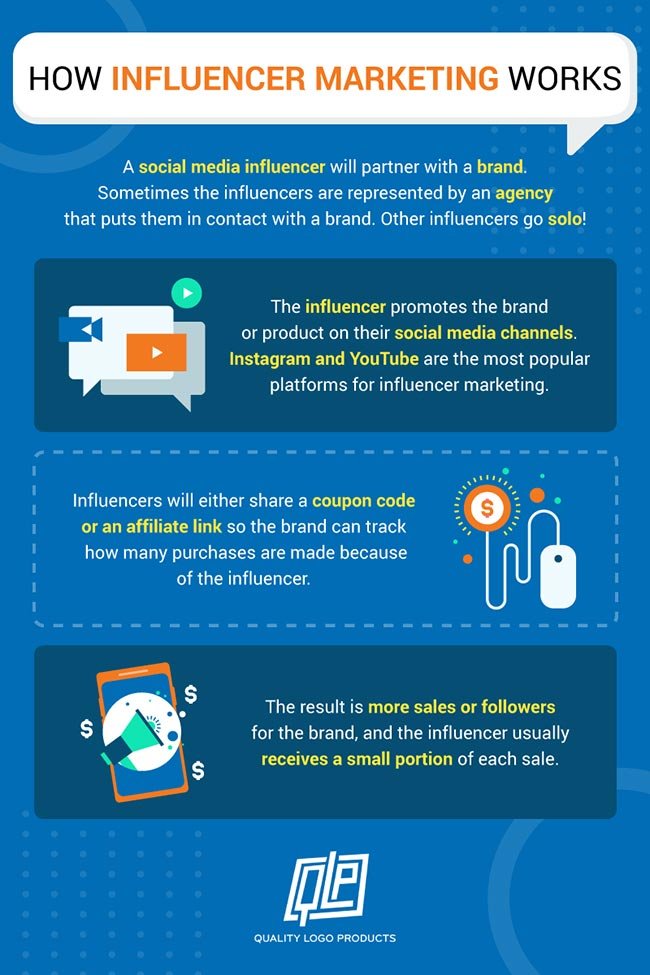
How Does Influencer Marketing Work?
In today’s digital age, influencer marketing has become a powerful tool for brands to reach their target audience and promote their products or services. But how does influencer marketing actually work? Let’s dive into the world of influencer marketing and explore its inner workings.
The Role of Influencers
Influencers are individuals who have built a following and gained credibility in a specific niche or industry. They have the power to sway the opinions and behaviors of their followers through their content and recommendations. Influencers can be found on various social media platforms such as Instagram, YouTube, TikTok, and blogs.
When a brand decides to embark on an influencer marketing campaign, they collaborate with influencers to promote their products or services. The influencer creates content featuring the brand’s offerings and shares it with their audience. This content can take the form of sponsored posts, videos, reviews, or endorsements.
Choosing the Right Influencers
One of the key aspects of influencer marketing is selecting the right influencers to work with. Brands need to identify influencers whose values align with their own and whose audience matches their target market. It’s important to consider factors such as the influencer’s niche, engagement rate, authenticity, and reach.
To find the right influencers, brands can use influencer marketing platforms or work with agencies that specialize in influencer collaborations. These platforms provide data and insights about influencers, making it easier for brands to evaluate their suitability for a campaign.
Collaborating with influencers who have a genuine interest in the brand’s offerings and are passionate about what they promote can result in more authentic and effective influencer marketing campaigns.
The Collaboration Process
Once the brand has identified the influencers they want to work with, the collaboration process begins. This typically involves the following steps:
1. Outlining the campaign objectives: Before starting the collaboration, the brand and influencer discuss the goals and objectives of the campaign. This could be increasing brand awareness, driving sales, or launching a new product.
2. Negotiating terms and compensation: The brand and influencer negotiate the terms of the collaboration, including the scope of work, deliverables, timeline, and compensation. This could be a flat fee, free products, or a commission based on sales generated.
3. Creating the content: The influencer creates content that showcases the brand’s offerings in an authentic and engaging way. This could involve creating posts, videos, or stories that highlight the product’s features, benefits, or personal experiences with it.
4. Review and approval: The brand reviews the content created by the influencer to ensure it aligns with their brand guidelines and messaging. They may provide feedback or request revisions if necessary.
5. Publishing and promotion: Once the content is approved, the influencer publishes it on their social media platforms or blog. They promote the content to their audience, generating awareness and interest in the brand’s offerings.
Measuring the Success of Influencer Marketing
Measuring the success of influencer marketing campaigns is crucial to determine their effectiveness and return on investment. Brands track key metrics such as reach, engagement, website traffic, conversions, and sales attributed to the campaign.
Influencer marketing platforms provide analytics and reporting tools that allow brands to monitor the performance of their campaigns. By analyzing these metrics, brands can identify what worked well and what can be improved for future campaigns.
In conclusion, influencer marketing works by leveraging the influence and credibility of individuals in specific niches to promote brands and their offerings. By collaborating with the right influencers and creating authentic content, brands can effectively reach their target audience and achieve their marketing objectives.
Key Takeaways: How does influencer marketing work?
- Influencer marketing is a strategy where brands collaborate with popular individuals on social media to promote their products or services.
- Influencers have a large following and can sway the opinions and purchasing decisions of their audience.
- Brands can partner with influencers through sponsored content, product placements, or brand collaborations.
- Influencer marketing works because it creates an authentic connection between the influencer and their audience, leading to trust and credibility.
- Metrics such as engagement rates, reach, and conversions are used to measure the success of influencer marketing campaigns.
Frequently Asked Questions
Here are some commonly asked questions about influencer marketing:
What is influencer marketing?
Influencer marketing is a form of marketing where brands partner with individuals who have a significant online following, known as influencers, to promote their products or services. These influencers have built a loyal audience on platforms like social media or blogs, and their followers trust their opinions and recommendations.
By collaborating with influencers, brands can tap into their influence and reach a wider audience, potentially increasing brand awareness, driving traffic, and boosting sales.
How does influencer marketing work?
Influencer marketing typically involves a three-step process: identification, outreach, and collaboration. First, brands identify influencers who align with their target audience and brand values. They may use influencer marketing platforms or conduct manual research to find suitable candidates.
Once potential influencers are identified, brands reach out to them to establish a partnership. This can involve negotiating payment terms, discussing campaign goals, and outlining deliverables. Brands may provide influencers with free products, monetary compensation, or other incentives in exchange for their promotion.
What are the benefits of influencer marketing?
Influencer marketing offers several benefits for brands. Firstly, it allows them to tap into the trust and credibility that influencers have built with their audience. This can result in higher engagement and conversion rates compared to traditional advertising methods.
Additionally, influencer marketing can help brands reach a highly targeted audience. Influencers often have a niche following, which means they attract individuals who are genuinely interested in the content they create. This can lead to more qualified leads and higher return on investment.
How do influencers make money from influencer marketing?
Influencers can make money from influencer marketing through various avenues. One common method is through sponsored posts, where brands pay influencers to promote their products or services on their social media platforms or blogs. Influencers may also earn revenue through affiliate marketing, where they receive a commission for every sale made through their unique affiliate links.
Some influencers also collaborate with brands for long-term partnerships or become brand ambassadors, which can involve ongoing promotions and exclusive content creation. Additionally, influencers may monetize their content through sponsored events, merchandise sales, or by offering consulting or coaching services.
What should brands consider when implementing influencer marketing?
When implementing influencer marketing, brands should consider several factors. It’s important to thoroughly research and vet influencers to ensure their audience and values align with the brand. Brands should also establish clear goals and expectations for the campaign and have a solid understanding of their target audience.
Furthermore, brands should be transparent with influencers about their expectations, deliverables, and compensation. It’s crucial to maintain open communication throughout the collaboration to ensure both parties are satisfied with the partnership. Lastly, brands should track and analyze the results of influencer marketing campaigns to evaluate their effectiveness and make any necessary adjustments for future campaigns.
Influencer Marketing Explained in 4 Minutes
Final Thoughts: How Does Influencer Marketing Work?
In conclusion, influencer marketing has become a powerful strategy in the digital age. By leveraging the popularity and influence of individuals on social media platforms, brands are able to reach their target audience in a more authentic and relatable way. The process of influencer marketing involves identifying the right influencers, establishing a partnership, and creating engaging content that resonates with their followers. This approach allows brands to tap into the trust and credibility that influencers have built with their audience, ultimately driving brand awareness, engagement, and conversions.
One of the key aspects of influencer marketing is the ability to tap into niche communities and target specific demographics. By collaborating with influencers who align with their brand values and target audience, businesses can effectively reach their ideal customers. This targeted approach not only increases the likelihood of reaching potential customers but also enhances the credibility of the brand in the eyes of consumers.
Furthermore, influencer marketing offers a unique opportunity for brands to humanize their message and connect with consumers on a deeper level. Through authentic storytelling and personal experiences, influencers can create a genuine connection with their followers, making them more receptive to brand messages and recommendations. This level of authenticity is what sets influencer marketing apart from traditional advertising methods, as it fosters a sense of trust and loyalty between the influencer, the brand, and the audience.
In summary, influencer marketing is a dynamic and effective strategy that allows brands to tap into the power of social media influencers to reach their target audience. By leveraging the influence, credibility, and authenticity of these individuals, brands can increase their visibility, engage with their audience, and ultimately drive business results. So, if you’re looking to take your marketing efforts to the next level, consider incorporating influencer marketing into your strategy. It’s a game-changer in the digital landscape.