
So, you’re ready to dive into the world of webinar marketing and create a successful plan that will captivate your audience and generate leads. But where do you start? What are the essential elements that make up a webinar marketing plan?
Well, my friend, you’ve come to the right place. In this article, we’ll explore the key components that every effective webinar marketing plan should have. From defining your target audience to crafting compelling content and promoting your webinar, we’ll cover it all. So, grab a cup of coffee, sit back, and let’s get started on unraveling the secrets of a winning webinar marketing plan.
When it comes to webinar marketing, the first step is to clearly define your target audience. Who are you trying to reach with your webinar? What are their pain points and challenges? Understanding your audience will help you tailor your content and messaging to resonate with them on a deeper level. Once you have a clear picture of your target audience, it’s time to develop engaging and informative content that will keep them hooked from start to finish. A well-crafted webinar script, supported by visually appealing slides and interactive elements, is essential for delivering a memorable and impactful presentation. And let’s not forget about promotion! Getting the word out about your webinar is crucial for attracting attendees. Utilize social media, email marketing, and other online channels to spread the word and generate excitement. So, are you ready to take your webinar marketing to the next level? Let’s dive in and uncover the essential elements that will make your webinar a resounding success.
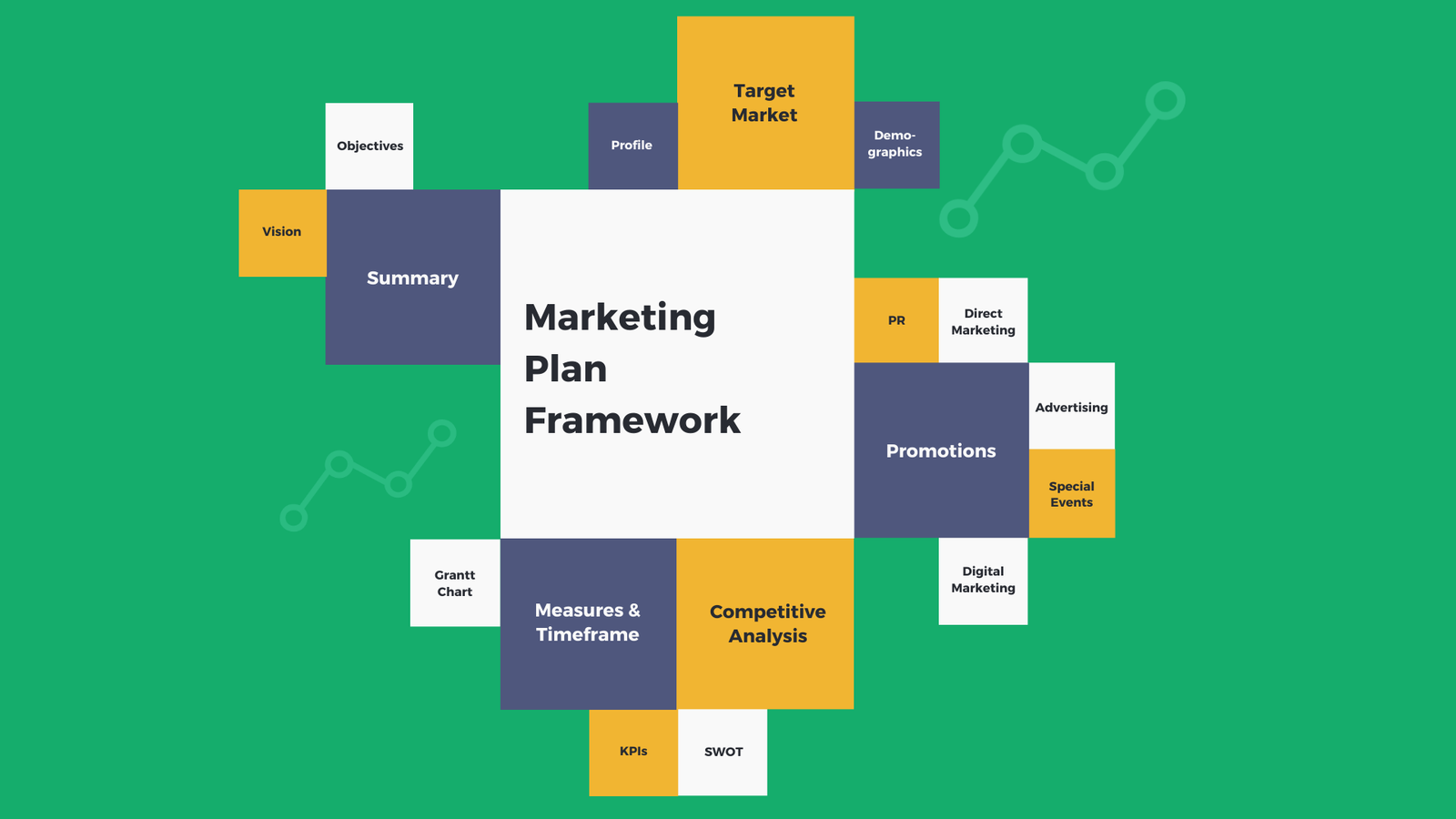
What are the Essential Elements of a Webinar Marketing Plan?
Webinars have become an increasingly popular marketing tool for businesses looking to engage with their audience and generate leads. However, to ensure the success of a webinar, it is essential to have a well-developed marketing plan in place. A webinar marketing plan outlines the strategies and tactics that will be used to promote the webinar and attract attendees. In this article, we will explore some of the essential elements that should be included in a webinar marketing plan.
The Target Audience: Identifying and Understanding Your Ideal Attendees
One of the first steps in developing a webinar marketing plan is to identify and understand the target audience. This involves researching and gathering information about the demographics, interests, and pain points of your ideal attendees. By understanding your target audience, you can tailor your webinar content and promotional efforts to resonate with them effectively.
When identifying your target audience, consider factors such as age, gender, location, industry, job title, and level of expertise. Additionally, conduct surveys or interviews to gain insights into their challenges and goals. This information will help you create webinar content that addresses their specific needs and interests, increasing the likelihood of attracting the right attendees.
Promotional Strategies: Reaching and Engaging with Your Audience
Once you have identified your target audience, the next step is to develop promotional strategies to reach and engage with them. There are various channels and tactics that can be used to promote your webinar, including:
- Social media marketing: Utilize platforms such as Facebook, Twitter, LinkedIn, and Instagram to share engaging and informative content about your webinar. Create eye-catching graphics, write compelling captions, and use relevant hashtags to increase visibility.
- Email marketing: Leverage your existing email list to send out personalized invitations and reminders about the webinar. Craft persuasive subject lines and include a clear call-to-action to encourage recipients to register and attend.
- Content marketing: Create blog posts, articles, and videos that provide valuable insights related to the webinar topic. Optimize the content for search engines to increase visibility and drive traffic to your webinar registration page.
- Influencer partnerships: Collaborate with industry influencers or thought leaders who have a significant following in your target audience. They can promote your webinar to their audience, increasing reach and credibility.
It is important to develop a comprehensive promotional plan that utilizes a combination of these strategies to maximize visibility and attract a diverse audience to your webinar. Monitor the performance of each tactic and make adjustments as needed to optimize results.
The Webinar Content: Educating and Engaging Your Attendees
The success of a webinar largely depends on the quality and relevance of the content presented. When developing your webinar content, it is crucial to strike a balance between educating and engaging your attendees. Here are some key considerations:
1. Clear Objectives: Define clear objectives for your webinar, such as educating attendees about a specific topic, showcasing your expertise, or generating leads. Align all aspects of your webinar, including the content, visuals, and activities, with these objectives.
2. Compelling Presentation: Create engaging slides or visuals that support your content. Use eye-catching graphics, relevant statistics, and compelling storytelling techniques to captivate your audience.
3. Interactive Elements: Incorporate interactive elements, such as polls, Q&A sessions, and live chats, to encourage audience participation and engagement. This will make the webinar more dynamic and memorable.
4. Valuable Takeaways: Provide attendees with valuable takeaways, such as downloadable resources, exclusive discounts, or access to additional educational content. This will incentivize attendance and leave a lasting impression.
By focusing on these elements, you can create a webinar that not only educates but also engages and leaves a lasting impact on your attendees. Remember to always tailor your content to the needs and interests of your target audience.
Metrics and Analysis: Measuring the Success of Your Webinar
As with any marketing campaign, it is essential to measure the success of your webinar to understand its impact and identify areas for improvement. There are several key metrics that you should track, including:
- Registration rate: Measure the number of registrations received compared to the number of people who visited the registration page. This will help you determine the effectiveness of your promotional efforts.
- Attendance rate: Calculate the percentage of registered attendees who actually attended the webinar. This will give you insights into the level of interest and engagement among your target audience.
- Engagement rate: Monitor the level of audience engagement during the webinar, such as the number of questions asked, comments made, and polls participated in. This will indicate the level of interest and interaction.
- Conversion rate: Track the number of attendees who took a desired action after the webinar, such as signing up for a newsletter, making a purchase, or requesting a consultation. This will help you measure the overall success and impact of the webinar on your business goals.
Use these metrics to analyze the effectiveness of your webinar marketing plan and make data-driven decisions for future webinars. Identify areas of improvement and implement strategies to enhance engagement and conversion rates.
Additional Considerations for a Successful Webinar Marketing Plan
In addition to the essential elements mentioned above, there are a few other considerations that can contribute to the success of your webinar marketing plan:
1. Follow-Up Strategy: Nurture Relationships and Drive Conversions
After the webinar, it is crucial to have a follow-up strategy in place to nurture the relationships you have built with attendees. Send personalized thank-you emails, provide access to recorded webinar sessions, and continue to provide valuable content and offers to keep them engaged and drive conversions.
2. Continual Improvement: Learn from Each Webinar Experience
Each webinar presents an opportunity to learn and improve for future events. Collect feedback from attendees through surveys or follow-up emails to understand what worked well and areas that need improvement. Use this feedback to refine your webinar marketing plan and create even better experiences for your audience.
3. Stay Updated: Keep Up with Industry Trends and Best Practices
The digital landscape and marketing trends are constantly evolving. Stay updated with the latest industry trends, emerging technologies, and best practices in webinar marketing. This will help you stay ahead of the curve and deliver exceptional webinar experiences that resonate with your audience.
4. Collaboration and Partnerships: Leverage the Power of Collaboration
Collaborate with industry experts, influencers, or complementary businesses to co-host webinars or cross-promote each other’s events. This can expand your reach and attract new audiences who may be interested in your webinar content.
5. Test and Optimize: Experiment with Different Strategies
Don’t be afraid to test different strategies, formats, and topics for your webinars. Analyze the results and optimize your approach based on what resonates best with your target audience. Continuous experimentation and improvement will help you refine your webinar marketing plan over time.
By incorporating these additional considerations into your webinar marketing plan, you can enhance the overall effectiveness and impact of your webinars, ultimately driving business growth and success.
Key Takeaways: Essential Elements of a Webinar Marketing Plan
- A compelling topic that addresses the target audience’s pain points and interests is crucial.
- A well-defined target audience helps in tailoring the content and promotion strategy effectively.
- A well-designed registration page with clear call-to-action and benefits entices attendees to sign up.
- Promotion through various channels like email marketing, social media, and website banners boosts visibility.
- Engaging and interactive content, including polls, chats, and Q&A sessions, keeps attendees interested and involved.
Frequently Asked Questions
What is a webinar marketing plan?
A webinar marketing plan is a strategic document that outlines the goals, objectives, and tactics for promoting and delivering a webinar to a target audience. It involves planning and executing various marketing activities to attract participants, generate leads, and achieve desired outcomes such as increased brand awareness, customer engagement, or product sales.
The plan typically includes elements such as defining the target audience, selecting topics and speakers, determining the format and duration of the webinar, creating promotional materials, choosing the right platform for hosting the webinar, and developing a follow-up strategy to nurture leads and measure success.
How do you define your target audience for a webinar?
Defining your target audience is a crucial step in developing a successful webinar marketing plan. Start by identifying the demographics, interests, and pain points of your ideal audience. Consider factors such as age, gender, profession, industry, and geographic location.
Next, conduct market research and analyze data to understand their needs and preferences. This can be done through surveys, social media listening, or analyzing website analytics. Once you have a clear understanding of your target audience, you can tailor your webinar content, promotion, and messaging to resonate with them and attract their participation.
What are some effective promotional tactics for a webinar?
There are several effective promotional tactics you can use to attract participants to your webinar. Firstly, leverage your existing marketing channels such as email newsletters, social media platforms, and website banners to announce and promote the webinar. Craft compelling and persuasive messages that highlight the value and benefits of attending the webinar.
Additionally, consider partnering with influencers or industry experts who can endorse and share your webinar with their audience. This can help expand your reach and credibility. Another tactic is to offer early bird discounts or exclusive bonuses to encourage early registration. Lastly, utilize paid advertising channels such as Google Ads or social media ads to target your desired audience and drive registrations.
How do you measure the success of a webinar marketing plan?
Measuring the success of a webinar marketing plan involves tracking various key performance indicators (KPIs) to evaluate its effectiveness. Start by monitoring the number of registrations and attendees to gauge the level of interest and engagement. Analyze audience feedback and post-webinar surveys to assess the satisfaction and relevance of the content.
Furthermore, track the number of leads generated from the webinar and their conversion rate into customers or sales. Assess the impact on brand awareness by analyzing social media mentions, website traffic, and search engine rankings. It is also important to evaluate the return on investment (ROI) by comparing the costs of hosting the webinar with the revenue or business outcomes achieved as a result of the webinar.
What are the essential follow-up strategies after a webinar?
Following up after a webinar is crucial to maximize the impact and convert leads into customers. Start by sending a personalized thank-you email to all attendees, expressing gratitude for their participation and providing any additional resources or materials discussed during the webinar.
Next, nurture leads by sending them relevant follow-up emails or newsletters that provide further information, address common questions, or offer exclusive promotions. Consider offering a limited-time discount or free trial to incentivize attendees to take the desired action, whether it’s making a purchase or scheduling a demo.
Additionally, leverage the webinar recording and repurpose it into other content formats such as blog posts, podcasts, or social media videos to extend its reach and attract new audiences. Finally, analyze the post-webinar data and feedback to identify areas for improvement and optimize future webinar marketing plans.
5 Key Elements of a Successful Marketing Plan
Final Thoughts
Now that we’ve explored the essential elements of a webinar marketing plan, it’s clear that this strategy can be a game-changer for businesses looking to expand their reach and engage with their target audience. By following these key steps, you can create a webinar marketing plan that not only attracts participants but also converts them into loyal customers.
First and foremost, it’s crucial to define your goals and objectives for the webinar. This will guide your content creation and ensure that you’re providing value to your audience. Next, focus on promoting your webinar through various channels, such as social media, email marketing, and website announcements. By leveraging these platforms, you can generate buzz and drive registrations.
When it comes to creating the webinar itself, remember to prioritize engaging and interactive content. Incorporate visuals, videos, and polls to keep your audience captivated and encourage participation. Additionally, make sure to follow up with attendees after the webinar by providing them with additional resources, such as a recording of the session or a downloadable guide. This will help nurture your relationship with them and keep them engaged with your brand.
In conclusion, a well-executed webinar marketing plan can be a powerful tool for businesses to connect with their audience, establish thought leadership, and drive conversions. By incorporating the essential elements discussed in this article and putting your own unique spin on them, you can create a webinar marketing strategy that stands out from the crowd and delivers impressive results. So, don’t hesitate to dive in and start planning your next webinar – your audience is waiting to be inspired!