
In the ever-evolving world of marketing, staying up to date with the latest trends is crucial to staying ahead of the competition. One area that has seen tremendous growth and innovation is influencer marketing. So, what are the trends in influencer marketing? Let’s dive in and explore the exciting shifts and developments that are shaping the industry.
Influencer marketing has become a powerhouse strategy for brands to connect with their target audience. Gone are the days of traditional advertisements; consumers now crave authenticity and personal connections. That’s where influencers come in. These individuals have built a loyal following and have the power to sway their audience’s opinions and purchasing decisions. But what’s new in the world of influencer marketing? From micro-influencers to TikTok sensations, the landscape is constantly evolving. So, buckle up and get ready to discover the latest trends that will help you navigate the world of influencer marketing like a pro.
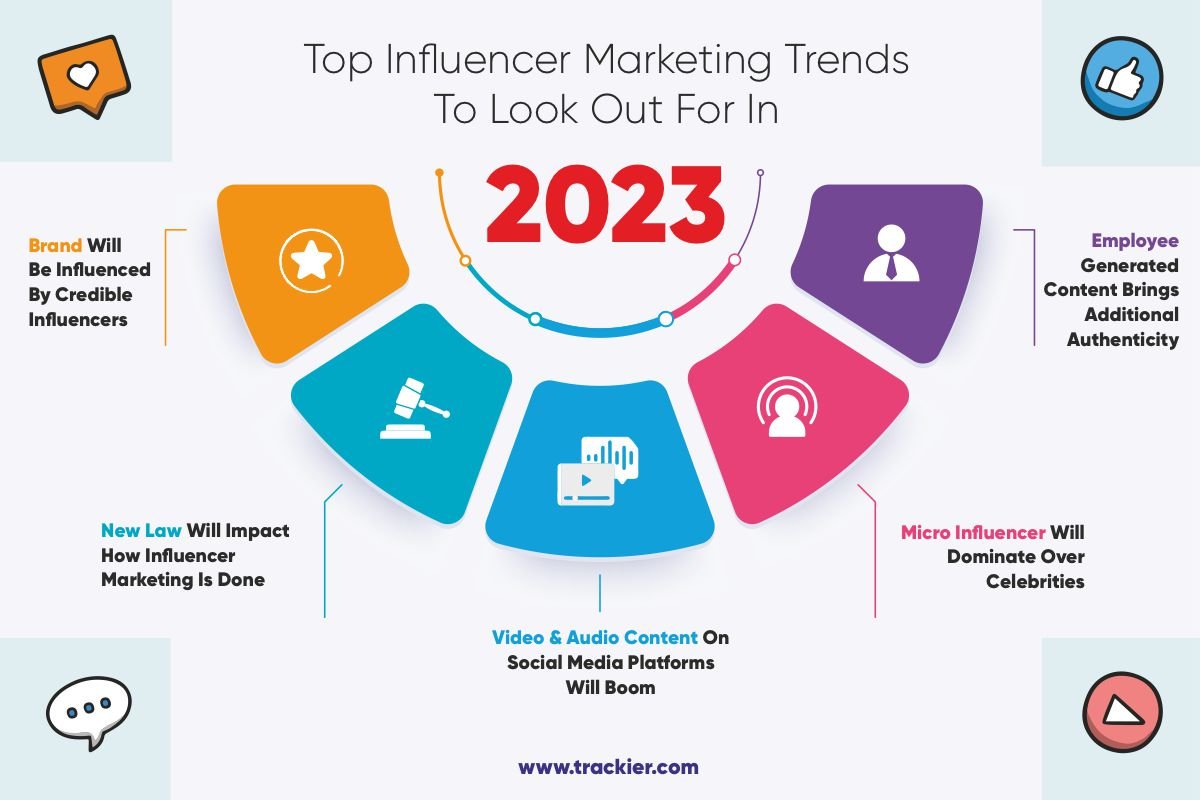
What Are the Trends in Influencer Marketing?
In today’s digital age, influencer marketing has become a powerful tool for brands to connect with their target audience. As social media continues to dominate our lives, influencers have emerged as key players in shaping consumer behavior and driving purchasing decisions. But like any other marketing strategy, influencer marketing is constantly evolving. To stay ahead of the competition and effectively reach their target audience, brands need to be aware of the latest trends in influencer marketing. In this article, we will explore the top trends shaping the influencer marketing landscape and how brands can leverage them to maximize their marketing efforts.
1. The Rise of Micro-Influencers
In recent years, there has been a shift towards working with micro-influencers – individuals with a smaller but highly engaged following. While macro-influencers with millions of followers still have their place, brands are increasingly recognizing the value of micro-influencers. These influencers often have a more niche audience, which allows brands to target specific demographics or interests. Moreover, micro-influencers tend to have higher engagement rates and a more authentic connection with their followers, making their recommendations more influential.
One of the key advantages of working with micro-influencers is cost-effectiveness. As they have smaller followings, they typically charge lower fees compared to macro-influencers. This enables brands with limited budgets to collaborate with multiple micro-influencers, amplifying their reach and impact. Additionally, micro-influencers are often more willing to collaborate on long-term partnerships, providing brands with a consistent presence among their target audience.
The Benefits of Micro-Influencers:
1. Authenticity: Micro-influencers have a genuine connection with their followers, making their recommendations more trusted and influential.
2. Niche Targeting: Micro-influencers often have a niche audience, allowing brands to reach specific demographics or interests.
2. Influencer Diversity and Inclusivity
Influencer marketing is no longer limited to a select few. Brands are recognizing the importance of diversity and inclusivity, and are actively seeking influencers from various backgrounds and communities. By partnering with a diverse range of influencers, brands can connect with a wider audience and showcase their commitment to inclusivity.
Moreover, consumers are increasingly demanding diversity in the content they consume. They want to see themselves represented and feel a connection with the influencers they follow. By working with influencers who resonate with different communities, brands can create more authentic and relatable content that resonates with their target audience.
The Importance of Influencer Diversity:
1. Wider Reach: Partnering with diverse influencers allows brands to connect with a broader audience and expand their reach.
2. Authenticity: Influencers from diverse backgrounds bring unique perspectives and experiences, resulting in more authentic content.
3. Video Content and Live Streaming
Video content has taken the digital world by storm, and influencer marketing is no exception. Platforms like YouTube, TikTok, and Instagram Reels have become hotbeds for influencers to share engaging video content with their followers. From product reviews and tutorials to vlogs and behind-the-scenes content, video offers a dynamic and immersive way for influencers to connect with their audience.
Live streaming has also gained popularity, allowing influencers to interact with their followers in real-time. Live Q&A sessions, product launches, and behind-the-scenes glimpses create a sense of exclusivity and foster a deeper connection between influencers and their audience.
The Power of Video Content:
1. Engagement: Video content tends to generate higher levels of engagement compared to static posts, capturing the attention of viewers for longer periods.
2. Authenticity: Videos allow influencers to showcase their personality and create a more genuine connection with their audience.
4. Data-Driven Influencer Marketing
As influencer marketing becomes more sophisticated, brands are increasingly relying on data to drive their strategies. With the help of analytics tools and platforms, brands can identify the right influencers for their campaigns based on factors such as audience demographics, engagement rates, and content performance.
Data-driven influencer marketing allows brands to make informed decisions and optimize their campaigns for better results. By tracking key metrics and analyzing the impact of influencer collaborations, brands can refine their strategies and ensure they are investing in influencers who deliver the highest return on investment.
The Benefits of Data-Driven Influencer Marketing:
1. Targeted Approach: Data analysis helps brands identify influencers who align with their target audience and campaign objectives.
2. Measurable Results: By tracking key metrics, brands can evaluate the success of their influencer campaigns and make data-backed decisions.
5. Authenticity and Transparency
In an era of fake news and influencer scandals, authenticity and transparency have become paramount. Consumers are becoming more discerning and seek genuine connections with the influencers they follow. Brands need to collaborate with influencers who align with their values and maintain transparency in their partnerships.
Authenticity goes beyond sponsored content disclosures. It involves influencers genuinely using and endorsing the products or services they promote, ensuring their recommendations are credible and trustworthy. Brands, in turn, need to communicate openly with influencers and provide them with the creative freedom to authentically promote their offerings.
The Significance of Authenticity and Transparency:
1. Trust: Authentic influencers who maintain transparency in their partnerships build trust with their followers and strengthen brand credibility.
2. Long-term Relationships: Authentic collaborations foster long-term relationships between influencers and brands, resulting in consistent and impactful content.
Conclusion
These trends are shaping the influencer marketing landscape and presenting brands with new opportunities to connect with their target audience. From embracing micro-influencers and diversity to leveraging video content and data-driven strategies, brands need to stay ahead of the curve to maximize the impact of their influencer marketing efforts. By adapting to these trends and prioritizing authenticity and transparency, brands can forge meaningful connections with their audience and drive tangible results.
Key Takeaways: Trends in Influencer Marketing
- Influencer marketing is becoming more popular as businesses recognize the value of collaborating with influential individuals to promote their products or services.
- Micro-influencers are gaining traction, as their smaller, niche audiences tend to be more engaged and trust their recommendations.
- Authenticity is crucial in influencer marketing, with audiences seeking genuine recommendations rather than overly promotional content.
- Video content is a dominant trend in influencer marketing, as it allows influencers to connect with their audience in a more personal and engaging way.
- Data-driven influencer campaigns are on the rise, with brands using analytics and insights to identify the most effective influencers for their target audience.
Frequently Asked Questions
What is influencer marketing?
Influencer marketing is a type of marketing strategy that involves partnering with influential individuals, known as influencers, to promote a brand, product, or service. These influencers have a strong following on social media platforms and are considered experts or trendsetters in their respective niches. By leveraging their influence and credibility, brands can reach a wider audience and build trust with consumers.
Influencer marketing is a mutually beneficial collaboration where influencers receive compensation or other incentives in exchange for creating content that highlights the brand’s offerings. This form of marketing has gained popularity in recent years due to the rising influence of social media and the increasing trust consumers place in recommendations from their favorite influencers.
How has influencer marketing evolved in recent years?
In recent years, influencer marketing has undergone significant evolution. Initially, it was primarily focused on macro-influencers with massive followings. However, as the industry has matured, brands have started to recognize the value of micro-influencers. These influencers have smaller but highly engaged audiences, resulting in more authentic and targeted marketing campaigns.
Moreover, influencer marketing has expanded beyond just social media posts. It now encompasses various formats such as live streams, podcasts, and even virtual events. Additionally, brands are increasingly looking for long-term partnerships with influencers to establish a more genuine connection and build brand loyalty among their audience.
What are some emerging trends in influencer marketing?
One emerging trend in influencer marketing is the rise of nano-influencers. These are individuals with a small but highly niche following, often within a specific local community or interest group. Brands are recognizing the value of these influencers in reaching highly targeted audiences and driving meaningful engagement.
Another trend is the shift towards authenticity and transparency. Consumers are becoming more discerning and seek genuine recommendations from influencers. Brands are now focusing on building long-term relationships with influencers who align with their values and can provide honest feedback, rather than relying solely on sponsored content.
How are brands measuring the success of influencer marketing campaigns?
Brands are adopting more sophisticated methods to measure the success of influencer marketing campaigns. While metrics such as reach and engagement are still important, there is a growing emphasis on tracking conversions and return on investment (ROI). Brands are using unique tracking links, promo codes, and affiliate marketing programs to attribute sales directly to influencer-driven campaigns.
Additionally, brands are leveraging data analytics tools to gain insights into audience demographics, sentiment analysis, and campaign performance. This data helps brands optimize their influencer marketing strategies and make data-driven decisions for future campaigns.
How does influencer marketing impact consumer behavior?
Influencer marketing has a significant impact on consumer behavior. Studies have shown that consumers trust recommendations from influencers they follow more than traditional forms of advertising. Influencers are seen as relatable and authentic, making their endorsements more persuasive.
Influencer marketing can influence various stages of the consumer journey, from awareness to purchase. Consumers are more likely to discover new brands or products through influencers, and their purchasing decisions are often influenced by the recommendations and reviews shared by influencers they trust.
Final Thoughts: What’s Trending in Influencer Marketing?
As we wrap up our exploration of influencer marketing trends, it’s clear that this industry is constantly evolving and adapting to the ever-changing digital landscape. From nano-influencers to video content and authenticity, there are several key trends shaping the future of influencer marketing.
One major trend is the rise of micro and nano-influencers. These smaller-scale influencers, with their niche audiences and higher engagement rates, are proving to be valuable assets for brands. By partnering with micro and nano-influencers, companies can reach a more targeted audience, establish genuine connections, and generate authentic content that resonates with their target market.
Another trend that’s gaining momentum is the increasing demand for video content. With platforms like TikTok and Instagram Reels taking the world by storm, brands are recognizing the power of short-form video in capturing their audience’s attention. By incorporating video content into their influencer marketing strategies, companies can create engaging and shareable experiences that leave a lasting impact on viewers.
Authenticity remains a crucial aspect of influencer marketing, with consumers seeking genuine connections and transparent brand collaborations. Influencers who prioritize honesty and showcase their true selves are more likely to build trust and loyalty with their followers. As a result, brands are looking for influencers who align with their values and are willing to authentically promote their products or services.
In conclusion, the world of influencer marketing is constantly evolving, and staying up to date with the latest trends is essential for brands looking to make an impact. By embracing micro and nano-influencers, leveraging the power of video content, and prioritizing authenticity, companies can navigate this dynamic landscape and successfully connect with their target audience. So, whether you’re a brand or an aspiring influencer, now is the time to seize the opportunities presented by these trends and make your mark in the world of influencer marketing.