
Are you curious about the world of online marketing and its various strategies? Well, buckle up because today we’re going to dive into the exciting concept of retargeting. So, what is retargeting in online marketing? Let me break it down for you in a way that’s engaging and easy to understand.
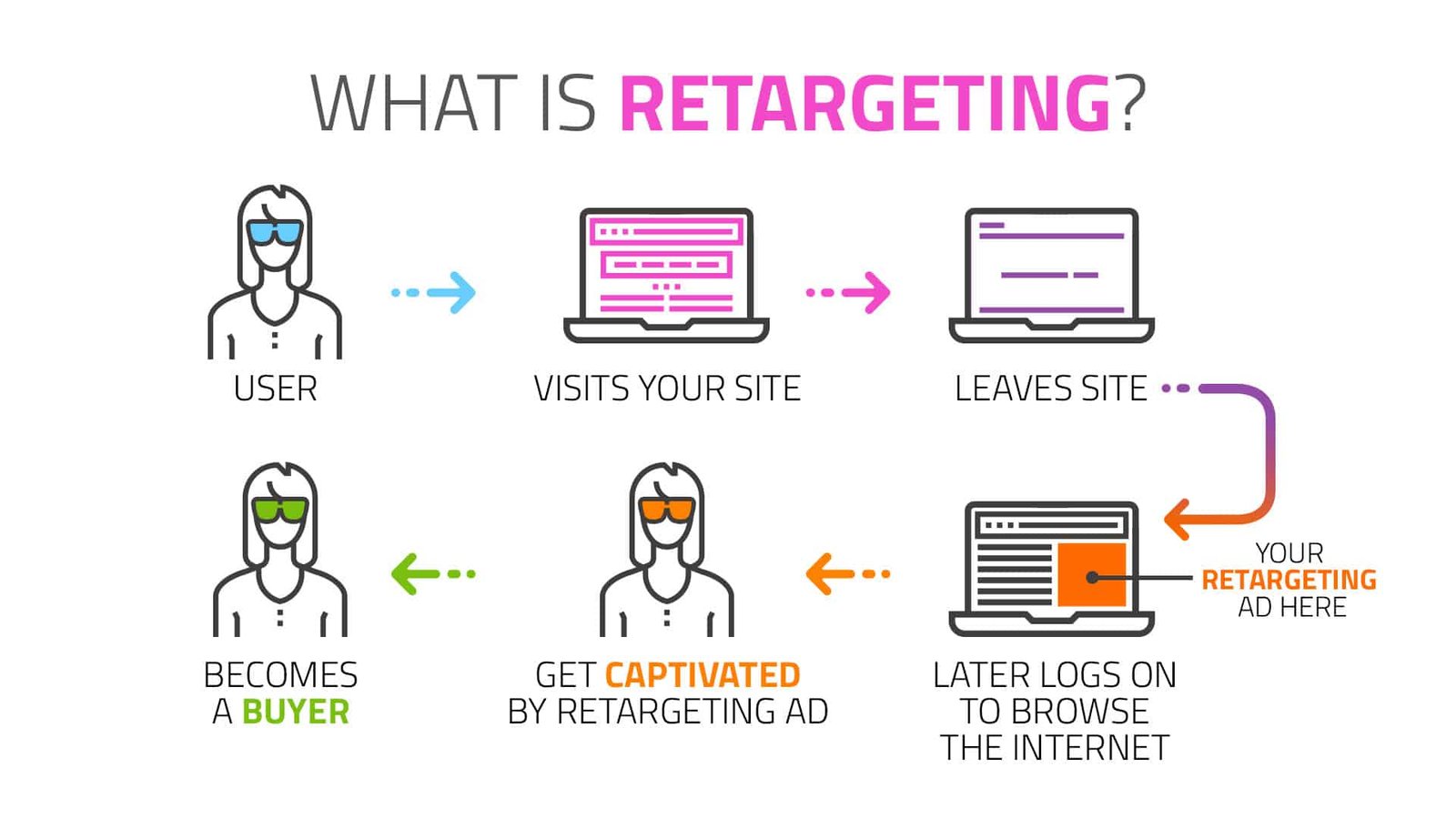
Picture this: you’re browsing the web, casually scrolling through your favorite online store, when suddenly, an ad pops up showcasing the very item you were eyeing earlier. How did they know? That, my friend, is the magic of retargeting. In simple terms, retargeting is a clever marketing technique that allows businesses to target customers who have previously interacted with their website or products. It’s like a virtual nudge, reminding potential customers about what they were interested in and encouraging them to come back for more.
Now, you might be wondering how this sorcery works. Well, when you visit a website, a tiny snippet of code called a pixel gets placed on your browser. This pixel silently tracks your online activities, collecting data about the pages you visit, products you view, and even items you add to your cart but don’t purchase. Armed with this information, businesses can then create personalized ads that follow you around the internet, appearing on various websites and social media platforms. It’s like having a virtual salesperson who never forgets what you’re interested in. Pretty cool, right? So, get ready to explore the fascinating world of retargeting and discover how it can revolutionize online marketing strategies.
What is Retargeting in Online Marketing?
Retargeting, also known as remarketing, is a powerful online marketing strategy that allows businesses to reach out to potential customers who have previously interacted with their brand. It involves displaying targeted ads to users who have visited a website or engaged with a specific product or service but did not convert into customers. Retargeting works by using cookies to track user behavior and then serving relevant ads to them as they browse the internet.
How Does Retargeting Work?
Retargeting works by placing a small piece of code, called a pixel, on a website. This pixel tracks the actions of visitors on the site, such as the pages they visit or the products they view. When a visitor leaves the website without making a purchase or completing a desired action, such as signing up for a newsletter, the pixel enables the website to serve targeted ads to that visitor as they browse other websites or social media platforms.
Retargeting can be done through various channels, including display ads, social media platforms, and email marketing. The goal is to keep the brand top of mind for potential customers and encourage them to return to the website to complete the desired action. By showing relevant ads to users who have already shown interest in a product or service, retargeting helps to increase brand exposure and improve conversion rates.
Benefits of Retargeting in Online Marketing
Retargeting offers several benefits for businesses looking to enhance their online marketing efforts. Here are some key advantages:
1. Increased Conversion Rates: By targeting users who have already shown interest in a product or service, retargeting campaigns have higher chances of converting them into customers. The familiarity and relevance of the ads help to keep the brand fresh in their minds and encourage them to take action.
2. Enhanced Brand Awareness: Retargeting helps to keep the brand in front of potential customers, even after they have left the website. This repeated exposure helps to strengthen brand recall and awareness, making it more likely for users to choose the brand when they are ready to make a purchase.
3. Cost-Effective Advertising: Compared to other online marketing strategies, retargeting can be a cost-effective option. Since the ads are only shown to users who have already shown interest, the targeting is more precise, leading to higher conversion rates and a better return on investment.
4. Improved Ad Relevance: Retargeting allows businesses to tailor their ads based on the users’ previous interactions with the brand. This personalized approach increases the relevance of the ads and makes them more likely to resonate with the target audience.
5. Better Ad Performance Tracking: With retargeting, businesses can track the performance of their ads in real-time. They can measure the number of clicks, conversions, and other relevant metrics, providing valuable insights for optimizing future campaigns.
In conclusion, retargeting is a valuable online marketing strategy that helps businesses reconnect with potential customers who have shown interest in their brand. By serving targeted ads to these users, businesses can increase conversion rates, enhance brand awareness, and improve overall ad performance. Incorporating retargeting into your marketing efforts can be a powerful way to maximize the impact of your online advertising campaigns.
Key Takeaways: What is retargeting in online marketing?
- Retargeting is a marketing strategy that shows ads to people who have already shown interest in a product or website.
- It helps to remind potential customers about a product they’ve previously viewed but haven’t purchased yet.
- Retargeting uses cookies to track the online behavior of users and display relevant ads to them.
- This strategy increases brand exposure and can lead to higher conversion rates.
- By retargeting, businesses can reach out to potential customers and increase the chances of making a sale.
Frequently Asked Questions
What are the benefits of retargeting in online marketing?
Retargeting is a powerful strategy in online marketing that offers several benefits. Firstly, it allows you to stay top-of-mind with potential customers who have already shown interest in your products or services. By showing them relevant ads as they browse the internet, you increase the chances of converting them into customers. Secondly, retargeting helps to improve brand recall and recognition. Seeing your brand repeatedly can reinforce positive associations and make customers more likely to choose your business over competitors. Additionally, retargeting allows you to segment your audience and tailor your ads based on their specific behaviors and interests, increasing the relevance and effectiveness of your marketing efforts.
Retargeting also provides valuable insights into customer behavior. By tracking user interactions with your ads, you can gather data about which strategies are working and make informed decisions to optimize your campaigns. Furthermore, retargeting can be a cost-effective marketing tactic. Compared to other advertising methods, retargeting often has a higher return on investment due to its ability to reach warm leads who are already familiar with your brand. Overall, retargeting is a valuable tool for increasing conversions, strengthening brand awareness, and maximizing the effectiveness of your online marketing efforts.
How does retargeting work in online marketing?
Retargeting works by using cookies or pixels to track user behavior on your website. When a visitor lands on your site, a cookie or pixel is placed in their browser, allowing you to identify and target them with ads after they leave your site. These ads are displayed to the user as they browse other websites or social media platforms, reminding them of your brand and encouraging them to return to your site.
The retargeting process involves creating specific ad campaigns and setting up targeting parameters based on user behavior. For example, you can retarget users who have visited a specific product page but did not make a purchase, or those who have added items to their cart but abandoned the checkout process. By segmenting your audience and tailoring your ads accordingly, you can deliver personalized messages that resonate with potential customers and increase the likelihood of conversion. Retargeting can be implemented using various platforms and advertising networks, making it a versatile and effective strategy in online marketing.
What are the different types of retargeting in online marketing?
There are several types of retargeting strategies commonly used in online marketing. One of the most common is site retargeting, which targets users who have visited your website but did not convert. This type of retargeting allows you to show relevant ads to these users as they browse other sites, keeping your brand top-of-mind and encouraging them to return and complete their desired action.
Search retargeting is another type that targets users based on their search behavior. By analyzing the search terms used by users, you can display ads to them that align with their interests and intentions. This form of retargeting is particularly effective in reaching users who are actively searching for products or services similar to what you offer.
Social media retargeting involves targeting users based on their interactions with your social media channels. By retargeting users who have engaged with your posts, visited your profile, or interacted with your ads, you can deliver ads that are highly relevant and tailored to their interests.
Email retargeting is a strategy that targets users who have interacted with your email marketing campaigns. By tracking user behavior, such as opens, clicks, and conversions, you can retarget these users with ads that complement your email messaging and further drive engagement and conversions.
What are some best practices for retargeting in online marketing?
To maximize the effectiveness of your retargeting campaigns in online marketing, there are several best practices to keep in mind. Firstly, it’s important to segment your audience and create tailored ad campaigns. By targeting specific user behaviors or interests, you can deliver personalized messages that resonate with potential customers and increase the chances of conversion.
Another best practice is to set frequency caps to avoid ad fatigue. Showing the same ad to users too frequently can lead to annoyance and decreased effectiveness. By limiting the number of times a user sees your ad within a specific timeframe, you can maintain their interest and prevent ad fatigue.
Additionally, it’s crucial to continually analyze and optimize your retargeting campaigns. Monitor key metrics such as click-through rates, conversions, and return on ad spend to identify areas for improvement. Test different ad creatives, messaging, and targeting parameters to determine what resonates best with your audience.
Lastly, ensure that your retargeting efforts align with your overall marketing strategy and brand messaging. Consistency across all touchpoints and channels is key to building trust and reinforcing your brand identity. By following these best practices, you can enhance the effectiveness of your retargeting campaigns and drive better results in online marketing.
What are the potential challenges of retargeting in online marketing?
While retargeting offers numerous benefits, it also presents some potential challenges in online marketing. One challenge is ad fatigue. If users are repeatedly exposed to the same retargeting ads, they may become desensitized or annoyed, leading to a decrease in engagement and effectiveness. To overcome this challenge, it’s important to diversify your ad creatives and messaging, providing fresh and engaging content to keep users interested.
Another challenge is privacy concerns. Retargeting relies on tracking user behavior, which can raise privacy concerns among consumers. To address this, it’s essential to be transparent about your data collection practices and provide clear opt-out options for users who do not wish to be retargeted.
Budget management can also be a challenge in retargeting. While retargeting can be cost-effective compared to other advertising methods, it still requires a budget allocation. It’s important to set realistic budget expectations and monitor the performance of your campaigns to ensure you are achieving a positive return on investment.
Lastly, retargeting requires ongoing monitoring and optimization. It’s crucial to regularly analyze and adjust your campaigns to maximize their effectiveness. This can be time-consuming and resource-intensive, especially for businesses with limited marketing resources. However, by dedicating time and effort to monitoring and optimization, you can overcome these challenges and unlock the full potential of retargeting in online marketing.
Marketing 101: Retargeting
Final Summary: What is Retargeting in Online Marketing?
Now that we’ve explored the world of online marketing and the powerful tool of retargeting, it’s time for a final summary. Retargeting is a game-changer in the digital advertising landscape, allowing businesses to connect with potential customers who have already shown interest in their products or services. By using cookies and pixels, marketers can track user behavior and deliver personalized ads to individuals across various platforms.
In conclusion, retargeting is a strategic approach that enhances brand visibility, increases conversions, and maximizes marketing ROI. It keeps your business top of mind for potential customers, reminding them of their initial interest and nudging them towards making a purchase. By leveraging this powerful tool, businesses can create tailored experiences for their target audience, ultimately driving revenue and fostering long-term customer loyalty. So, if you’re ready to take your online marketing efforts to the next level, consider incorporating retargeting into your strategy and watch your business thrive in the digital realm.