
Hey there! So, you want to know all about the different types of online marketing, huh? Well, you’ve come to the right place! In this article, we’re going to dive into the exciting world of online marketing and explore the various strategies that businesses use to promote their products and services on the internet.
Nowadays, with the digital landscape constantly evolving, it’s crucial for businesses to have a strong online presence. And that’s where online marketing comes in. It’s all about leveraging the power of the internet to reach and engage with potential customers. From social media marketing to search engine optimization, there are countless avenues for businesses to explore. So, if you’re ready to discover the ins and outs of online marketing and how it can help your business thrive, let’s get started!
In the next paragraphs, we’ll explore some of the most effective online marketing strategies in more detail. From content marketing to email marketing, we’ll cover it all. So, grab a cup of coffee, get comfortable, and get ready to become an online marketing whiz! Let’s go!
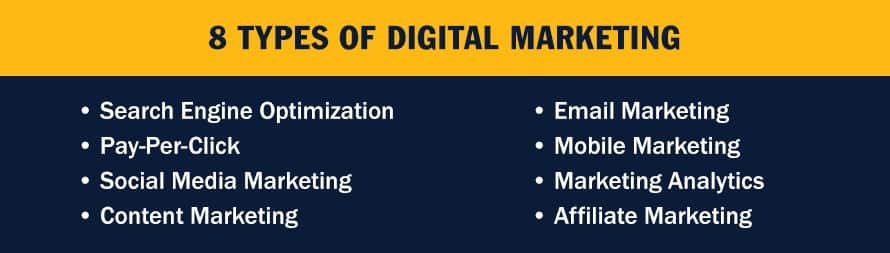
Online marketing encompasses various strategies to promote products and services on the internet. Some of the different types of online marketing include:
- Search Engine Optimization (SEO): Optimizing websites to improve their visibility in search engine results.
- Pay-Per-Click (PPC) Advertising: Running ads on search engines and websites, paying only when users click on them.
- Social Media Marketing: Promoting products and services through social media platforms.
- Email Marketing: Sending targeted emails to potential customers.
- Content Marketing: Creating and sharing valuable content to attract and engage audiences.
- Affiliate Marketing: Partnering with affiliates to promote products and earning a commission for each sale.
- Influencer Marketing: Collaborating with influential individuals to promote products or services.
Understanding the Different Types of Online Marketing
Online marketing has become an essential aspect of any business’s marketing strategy. With the increasing reliance on the internet, businesses are constantly looking for ways to reach their target audience online. But what exactly is online marketing, and what are the different types of online marketing that businesses can utilize? In this article, we will explore the various methods and strategies used in online marketing, helping you understand how to effectively promote your business in the digital realm.
Search Engine Optimization (SEO)
Search Engine Optimization, or SEO, is a crucial component of online marketing. It involves optimizing your website and content to improve its visibility and search engine rankings. By understanding the algorithms used by search engines like Google, businesses can employ various techniques to enhance their online presence. This includes keyword research, on-page optimization, link building, and creating high-quality content.
Implementing SEO strategies can drive organic traffic to your website, increase brand visibility, and improve your website’s credibility. It is important to stay up-to-date with the latest SEO trends and algorithms to ensure your website ranks well in search engine results pages (SERPs).
Benefits of SEO
One of the main benefits of SEO is its cost-effectiveness. Unlike paid advertising, SEO is a long-term strategy that can generate consistent organic traffic without ongoing expenses. Additionally, SEO allows businesses to target specific keywords and reach their desired audience. By optimizing your website for relevant keywords, you can attract users who are actively searching for products or services that your business offers.
Another advantage of SEO is its ability to build trust and credibility. When your website appears on the first page of search results, users perceive it as more trustworthy and reliable. This can significantly impact their decision-making process, leading to increased conversions and sales.
Tips for Effective SEO
To maximize the benefits of SEO, it is important to follow best practices. Conduct thorough keyword research to identify the most relevant and high-volume keywords for your industry. Use these keywords strategically in your website’s meta tags, headings, and content.
Create high-quality and engaging content that provides value to your target audience. This will not only attract more visitors to your website but also encourage them to spend more time on your site, increasing the chances of conversions.
Pay-Per-Click Advertising (PPC)
Pay-Per-Click advertising, commonly known as PPC, is a form of online marketing where businesses pay each time their ad is clicked. This advertising model allows businesses to bid for ad placement in search engine results or on other websites. The most popular PPC platform is Google Ads, where businesses can create ads that appear on Google’s search engine results pages.
PPC advertising provides instant visibility and can drive targeted traffic to your website. It offers businesses control over their budget, as they only pay when someone clicks on their ad. This makes it an effective option for businesses with specific marketing goals or limited budgets.
Benefits of PPC Advertising
One of the key benefits of PPC advertising is its ability to deliver immediate results. Unlike SEO, which takes time to show its impact, PPC ads can be up and running within hours. This makes it an ideal strategy for businesses looking for quick visibility and conversions.
PPC advertising also provides businesses with detailed insights and analytics. Through platforms like Google Ads, businesses can track the performance of their ads, monitor click-through rates, and analyze conversion data. This allows them to make informed decisions and optimize their campaigns for better results.
Tips for Effective PPC Advertising
To ensure the success of your PPC campaigns, it is important to conduct thorough keyword research and create targeted ad groups. This will ensure that your ads are shown to the right audience, maximizing the chances of conversions.
Create compelling ad copy that grabs users’ attention and encourages them to click. Use relevant keywords in your ad copy and ensure that your landing page aligns with the ad’s message. A seamless user experience from the ad to the landing page can significantly improve your conversion rates.
Social Media Marketing
Social media has revolutionized the way businesses connect with their audience. Social media marketing involves utilizing social media platforms like Facebook, Instagram, Twitter, and LinkedIn to promote products and services, engage with customers, and build brand awareness.
Benefits of Social Media Marketing
One of the main benefits of social media marketing is its ability to reach a wide audience. With billions of active users on various social media platforms, businesses can reach potential customers from all over the world. Social media also allows for highly targeted advertising, enabling businesses to narrow down their audience based on demographics, interests, and behaviors.
Social media marketing also provides opportunities for businesses to engage with their audience on a more personal level. Through comments, messages, and shares, businesses can build relationships with their customers, gather feedback, and address any concerns.
Tips for Effective Social Media Marketing
When implementing social media marketing strategies, it is important to define your target audience and choose the most relevant social media platforms for your business. Each platform caters to different demographics and interests, so it is crucial to focus your efforts on platforms where your target audience is most active.
Create compelling and shareable content that resonates with your audience. Visual content, such as images and videos, tends to perform well on social media. Engage with your audience by responding to comments, messages, and mentions promptly. Building a strong online community can significantly impact your brand’s reputation and customer loyalty.
Email Marketing
Email marketing is a powerful tool for businesses to nurture relationships with their customers and drive conversions. It involves sending targeted emails to a list of subscribers, providing them with valuable content, updates, and promotional offers.
Benefits of Email Marketing
One of the main advantages of email marketing is its high return on investment (ROI). According to studies, email marketing generates an average ROI of $42 for every $1 spent. This makes it a cost-effective strategy for businesses of all sizes.
Email marketing also allows for personalized communication with customers. By segmenting your email list based on demographics, purchase history, or engagement, you can send tailored content that is relevant to each subscriber. This increases the chances of conversions and customer retention.
Tips for Effective Email Marketing
When implementing email marketing strategies, it is important to build a quality email list of engaged subscribers. Offer incentives, such as exclusive content or discounts, to encourage visitors to sign up for your emails. Segment your email list to ensure that each subscriber receives content that is relevant to their interests and needs.
Create engaging and visually appealing email templates that align with your brand’s identity. Use compelling subject lines to increase open rates and personalize the content to make subscribers feel valued. Test different email formats, CTAs, and sending times to optimize your email campaigns for better results.
Conclusion
In this article, we have explored the different types of online marketing strategies that businesses can utilize to promote their products and services in the digital realm. From SEO to PPC advertising, social media marketing to email marketing, each strategy offers unique benefits and can contribute to the overall success of a business’s online presence.
It is important for businesses to understand their target audience and choose the most effective online marketing strategies that align with their goals and budget. By implementing these strategies effectively, businesses can increase brand visibility, drive targeted traffic, and ultimately achieve higher conversions and sales in the competitive online landscape.
Key Takeaways: What are the different types of online marketing?
Online marketing encompasses various strategies to promote products or services on the internet. Here are the different types:
- Social media marketing: Using platforms like Facebook and Instagram to reach and engage with potential customers.
- Search engine optimization (SEO): Optimizing website content to rank higher in search engine results.
- Content marketing: Creating valuable and informative content to attract and retain an audience.
- Email marketing: Sending targeted emails to subscribers to promote products or services.
- Pay-per-click (PPC) advertising: Placing ads on search engines or websites and paying when users click on them.
Frequently Asked Questions
1. What is search engine optimization (SEO) and how does it impact online marketing?
Search engine optimization (SEO) is the process of optimizing a website or online content to rank higher in search engine results pages (SERPs). It involves various techniques and strategies to improve the visibility and relevance of a website, ultimately driving more organic traffic. SEO plays a crucial role in online marketing as it helps businesses increase their online presence and attract potential customers.
By optimizing their website for search engines, businesses can improve their chances of appearing on the first page of search results, where most users tend to click. This leads to increased visibility, brand awareness, and website traffic. Additionally, higher rankings in SERPs can establish a sense of trust and credibility among users, which can positively impact conversions and sales.
2. What is social media marketing and how can it be effective for businesses?
Social media marketing involves using social media platforms to promote products, services, or brands. It involves creating and sharing content, engaging with followers, and running targeted advertising campaigns. Social media marketing can be highly effective for businesses due to the large user base and extensive reach of platforms such as Facebook, Instagram, Twitter, and LinkedIn.
By leveraging social media marketing, businesses can connect with their target audience, build brand awareness, and foster customer loyalty. It allows for direct communication with customers, providing an opportunity to address queries, resolve issues, and gather valuable feedback. Additionally, social media platforms offer various targeting options, enabling businesses to reach specific demographics and interests, maximizing the effectiveness of their marketing efforts.
3. How does content marketing contribute to online marketing success?
Content marketing involves creating and distributing valuable, relevant, and consistent content to attract and retain a clearly defined audience. It encompasses various forms of content, such as blog posts, articles, videos, infographics, and podcasts. Content marketing plays a vital role in online marketing success by providing businesses with the means to engage and educate their target audience.
High-quality, informative content helps establish businesses as industry experts and thought leaders, building trust and credibility among consumers. It also increases brand visibility and organic website traffic, as valuable content tends to be shared and linked to by users. Furthermore, content marketing can support other online marketing strategies, such as SEO, social media marketing, and email marketing, by providing valuable assets to share and promote.
4. What is email marketing and why is it still relevant in online marketing?
Email marketing involves sending targeted messages to a group of individuals through email. It remains a relevant and effective online marketing strategy due to its ability to directly reach and engage with potential customers. Despite the rise of other communication channels, email continues to be widely used and offers a high return on investment (ROI) for businesses.
Email marketing allows businesses to nurture leads, build customer relationships, and drive conversions. It provides a personalized and direct line of communication, enabling businesses to deliver tailored content and offers based on user preferences and behaviors. With the right strategies, email marketing can help businesses stay top-of-mind with their audience, drive repeat purchases, and generate valuable leads.
5. How does pay-per-click (PPC) advertising contribute to online marketing campaigns?
Pay-per-click (PPC) advertising is a model where advertisers pay a fee each time their ad is clicked. It allows businesses to display ads on search engine results pages, websites, and social media platforms, targeting specific keywords, demographics, or interests. PPC advertising contributes to online marketing campaigns by providing businesses with immediate visibility and driving targeted traffic to their website.
With PPC advertising, businesses can control their budget, ad placements, and targeting options, ensuring their ads reach the right audience at the right time. It offers measurable results, allowing businesses to track and analyze the performance of their campaigns. By optimizing their PPC campaigns, businesses can generate qualified leads, increase conversions, and achieve a positive return on investment.
Digital Marketing In 5 Minutes | What Is Digital Marketing? | Learn Digital Marketing | Simplilearn
Final Summary: Exploring the World of Online Marketing
So, there you have it! We’ve delved into the exciting realm of online marketing and uncovered its various types and strategies. From social media marketing to content marketing, search engine optimization to email marketing, the possibilities are endless.
Online marketing has become an essential tool for businesses to thrive in the digital landscape. By harnessing the power of the internet, companies can reach a wider audience, build brand awareness, and drive conversions. Whether you’re a small startup or a large corporation, incorporating online marketing into your overall strategy is crucial for success.
Remember, each type of online marketing has its own unique benefits and techniques. It’s important to analyze your target audience and choose the methods that align with your business goals. By staying up to date with the latest trends and continuously optimizing your strategies, you can stay ahead of the competition and make a lasting impact in the digital world.
So, what are you waiting for? Dive into the world of online marketing and unleash the potential of your business. With the right mix of creativity, strategy, and optimization, you can take your brand to new heights and achieve remarkable results. Embrace the power of online marketing and watch your business thrive in the ever-evolving digital landscape.