
Are you wondering how to harness the power of social media for marketing? Look no further! In this article, we’ll dive into the exciting world of social media marketing and explore how you can use it to boost your brand’s visibility, engage with your audience, and drive more traffic to your website. Social media platforms have become essential tools for businesses of all sizes, offering a cost-effective way to reach a wide audience and connect with potential customers. So, if you’re ready to take your marketing efforts to the next level, let’s explore how you can leverage social media to your advantage.
In today’s digital age, social media has transformed the way we communicate, connect, and consume information. From Facebook and Instagram to Twitter and LinkedIn, these platforms have become virtual marketplaces where businesses can showcase their products and services. But how exactly do you use social media for marketing? Well, it all starts with creating a strong presence on the platforms that align with your target audience. By crafting compelling content, engaging with your followers, and leveraging the power of hashtags and trending topics, you can increase your brand’s visibility and attract more potential customers. So, whether you’re a small startup or an established company, social media marketing can be a game-changer for your business. Get ready to unlock the secrets of social media success and watch your brand soar to new heights!
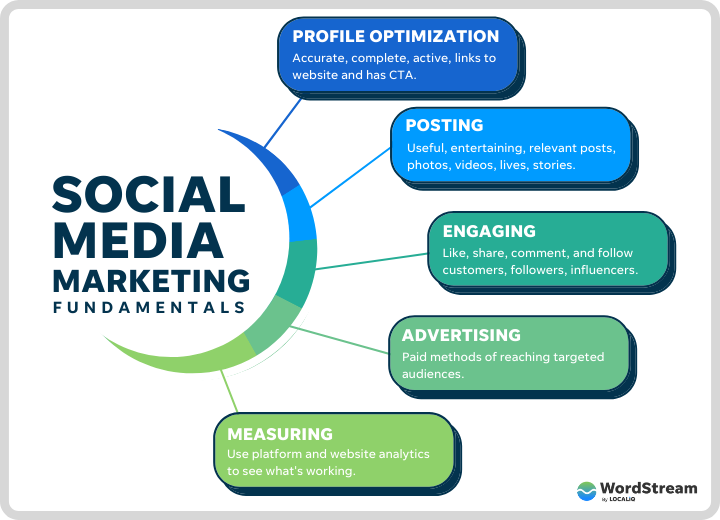
Using social media for marketing can greatly benefit your business. Here’s how to get started:
- Create a social media strategy: Set goals and define your target audience.
- Choose the right platforms: Research which social media platforms your target audience uses the most.
- Create engaging content: Post regularly and share interesting and relevant content that resonates with your audience.
- Interact with your audience: Respond to comments, messages, and reviews to build relationships and show authenticity.
- Analyze and optimize: Track your social media metrics and make adjustments to improve your marketing strategy.
How to Use Social Media for Marketing: A Comprehensive Guide
Social media has become an essential tool for businesses to reach and engage with their target audience. With millions of active users on platforms like Facebook, Instagram, Twitter, and LinkedIn, it’s no wonder that businesses are turning to social media for their marketing efforts. But how exactly can you use social media effectively for marketing? In this article, we will explore the strategies and techniques that can help you harness the power of social media to grow your business.
The Importance of Social Media Marketing
Social media marketing has quickly become one of the most popular and effective ways for businesses to connect with their audience. With social media platforms offering advanced targeting options, businesses can now reach their ideal customers with precision. Whether you’re a small business owner or a marketing professional, social media marketing can help you achieve your goals. Here are some key reasons why social media marketing is important:
First and foremost, social media allows you to build brand awareness. By creating a strong presence on social media platforms, you can increase your brand’s visibility and reach a wider audience. With the right strategies, you can create engaging content that resonates with your target audience and helps build brand recognition.
Secondly, social media provides a platform for you to engage with your audience directly. Through comments, likes, and shares, you can have real-time conversations with your customers, address their concerns, and provide them with valuable information. This direct interaction can help build trust and loyalty, ultimately leading to increased customer retention.
Another important aspect of social media marketing is its potential for driving website traffic. By sharing links to your website or blog posts on social media, you can drive targeted traffic to your site. This can not only increase your chances of converting visitors into customers but also improve your website’s search engine rankings.
The Best Social Media Platforms for Marketing
With so many social media platforms available, it’s important to choose the ones that align with your business goals and target audience. Each platform has its own unique features and demographics, so it’s essential to understand which platforms will best serve your marketing objectives. Here are some of the most popular social media platforms for marketing:
1. Facebook
Facebook is the largest social media platform, with over 2.8 billion monthly active users. It offers a wide range of features for businesses, including business pages, groups, and ads. Facebook’s targeting options are highly advanced, allowing businesses to reach their ideal customers based on demographics, interests, and behaviors.
To effectively use Facebook for marketing, it’s important to create a compelling business page that showcases your brand’s personality and values. Regularly posting engaging content, including photos, videos, and articles, can help you build a loyal following and increase brand awareness. Additionally, Facebook ads can be a powerful tool for reaching a wider audience and driving conversions.
2. Instagram
Instagram is a visual platform that focuses on sharing photos and videos. With over 1 billion monthly active users, it’s an ideal platform for businesses in industries such as fashion, beauty, travel, and food. Instagram offers various features for businesses, including business profiles, Instagram Stories, and IGTV.
To effectively use Instagram for marketing, it’s important to create visually appealing content that aligns with your brand’s aesthetics. High-quality photos, creative videos, and eye-catching graphics can help you stand out and attract followers. Utilizing hashtags and engaging with your audience through comments and direct messages can also help increase your visibility on the platform.
3. Twitter
Twitter is a fast-paced platform that focuses on sharing short, concise messages known as tweets. With over 330 million monthly active users, Twitter offers businesses the opportunity to engage with their audience in real-time. It’s particularly popular for industries such as news, entertainment, and technology.
To effectively use Twitter for marketing, it’s important to create a strong brand voice that resonates with your target audience. Regularly tweeting valuable and relevant content can help you build a loyal following and increase engagement. Utilizing hashtags, participating in trending conversations, and engaging with other users can also help increase your visibility on the platform.
4. LinkedIn
LinkedIn is a professional networking platform that focuses on connecting professionals and businesses. With over 740 million members, LinkedIn offers businesses the opportunity to network, build relationships, and generate leads. It’s particularly popular for B2B businesses and industries such as finance, technology, and professional services.
To effectively use LinkedIn for marketing, it’s important to create a professional and informative company page. Regularly posting industry-related content, sharing insights, and engaging with other professionals can help you establish your brand as a thought leader in your industry. Additionally, LinkedIn offers advertising options that allow you to reach a targeted audience of professionals.
Creating an Effective Social Media Marketing Strategy
Now that we’ve explored the importance of social media marketing and the best platforms to use, let’s dive into how you can create an effective social media marketing strategy. Here are some key steps to follow:
1. Define Your Goals
Before diving into social media marketing, it’s important to define your goals. What do you hope to achieve through your social media efforts? Whether it’s increasing brand awareness, driving website traffic, generating leads, or increasing sales, clearly defining your goals will help guide your strategy.
2. Know Your Target Audience
Understanding your target audience is crucial for effective social media marketing. Who are your ideal customers? What are their demographics, interests, and pain points? Conducting market research and creating buyer personas can help you gain valuable insights into your target audience and tailor your messaging accordingly.
3. Choose the Right Platforms
Based on your goals and target audience, choose the social media platforms that align with your business objectives. It’s important to focus your efforts on platforms where your target audience is most active and engaged.
4. Create Engaging Content
Creating engaging content is key to capturing your audience’s attention and driving engagement. Whether it’s informative blog posts, visually appealing images, entertaining videos, or interactive polls, make sure your content provides value and resonates with your target audience.
5. Engage with Your Audience
Engaging with your audience is essential for building relationships and fostering loyalty. Respond to comments, messages, and mentions in a timely manner. Encourage discussions, ask questions, and show genuine interest in your audience’s opinions and feedback.
6. Analyze and Adjust
Regularly analyze the performance of your social media efforts using analytics tools provided by each platform. Monitor key metrics such as engagement, reach, website traffic, and conversions. Use this data to identify what’s working and what’s not, and make adjustments to your strategy accordingly.
Conclusion
In conclusion, social media marketing is a powerful tool for businesses to reach and engage with their target audience. By creating a strong presence on platforms like Facebook, Instagram, Twitter, and LinkedIn, businesses can increase brand awareness, drive website traffic, and generate leads. By following the steps outlined in this article and continuously refining your strategy, you can effectively leverage social media for marketing success. So, start implementing these strategies today and watch your business thrive in the digital landscape.
Key Takeaways: How to Use Social Media for Marketing
- Choose the right social media platforms for your target audience.
- Create a content strategy that aligns with your brand and audience interests.
- Engage with your followers by responding to comments and messages promptly.
- Use visuals, such as images and videos, to grab attention and increase engagement.
- Track and analyze your social media metrics to understand what works and make improvements.
Frequently Asked Questions
What are the benefits of using social media for marketing?
Social media offers several benefits for marketing your business. Firstly, it allows you to reach a large audience and increase brand visibility. With billions of people using social media platforms, you have the opportunity to connect with potential customers from all over the world. Secondly, social media enables you to build a community around your brand. By engaging with your audience through comments, likes, and shares, you can foster customer loyalty and create a sense of belonging. Finally, social media provides valuable insights and analytics that can help you track the success of your marketing efforts and make data-driven decisions.
In conclusion, using social media for marketing can help you expand your reach, build a loyal customer base, and gain insights into your audience’s preferences and behaviors.
How can I choose the right social media platforms for my marketing?
Choosing the right social media platforms for your marketing efforts is crucial for reaching your target audience effectively. Start by researching and understanding the demographics and interests of your ideal customers. This will help you identify which platforms they are most likely to use. For example, if your target audience consists of young professionals, platforms like LinkedIn and Instagram might be more suitable. On the other hand, if you are targeting a younger demographic, platforms like TikTok and Snapchat could be more effective.
Additionally, consider the type of content you plan to create and share. Different platforms have different strengths and limitations when it comes to content formats. For instance, if you want to share visually appealing images and videos, platforms like Instagram and Pinterest are ideal. Ultimately, the key is to choose platforms that align with your target audience and allow you to showcase your brand and content in the most engaging way.
What content should I post on social media for marketing?
When it comes to content for social media marketing, it’s important to strike a balance between promotional and engaging content. While it’s essential to promote your products or services, it’s equally important to provide value to your audience and foster meaningful connections. Consider including a mix of the following types of content:
1. Educational content: Share informative posts, articles, or videos that provide valuable insights and tips related to your industry.
2. Behind-the-scenes content: Offer a glimpse into your company culture, events, or processes to humanize your brand and build trust with your audience.
3. User-generated content: Encourage your customers to create and share content featuring your products or services. This not only increases brand awareness but also adds authenticity to your marketing efforts.
4. Interactive content: Run contests, polls, or quizzes to engage your audience and encourage them to actively participate and share their opinions.
Remember, the key is to create content that resonates with your target audience, adds value, and sparks engagement.
How often should I post on social media for marketing?
The frequency of your social media posts depends on various factors, including your audience, platform, and resources. It’s important to find a balance between staying active and not overwhelming your audience with too much content. As a general guideline, aim to post consistently and regularly, but avoid sacrificing quality for quantity.
Start by analyzing your audience’s behavior and preferences. Some platforms, like Twitter, are more fast-paced and require frequent updates, while others, like LinkedIn, may have a slower pace. Experiment with different posting frequencies and monitor the engagement and response from your audience. This will help you determine the optimal posting schedule for your business.
Additionally, consider creating a content calendar to plan and organize your posts in advance. This will help you maintain consistency and ensure that you have a diverse range of content to share.
How can I measure the success of my social media marketing efforts?
Measuring the success of your social media marketing efforts is essential for understanding the impact of your strategies and making informed decisions. Here are some key metrics to consider:
1. Reach and impressions: These metrics indicate how many people have seen your content. They help you gauge the visibility and exposure of your brand.
2. Engagement: This includes metrics like likes, comments, shares, and clicks. High engagement rates indicate that your content is resonating with your audience and generating interest.
3. Conversion rate: This metric measures the percentage of users who take a desired action, such as making a purchase or signing up for a newsletter. It helps you assess the effectiveness of your social media campaigns in driving conversions.
4. Referral traffic: Analyze how much traffic your website receives from social media platforms. This metric indicates the effectiveness of your social media efforts in driving website visits and potentially generating leads.
By regularly monitoring and analyzing these metrics, you can gain insights into the success of your social media marketing and make adjustments to optimize your strategies.
How To Start Social Media Marketing As A Beginner – STEP BY STEP
Final Summary: Mastering Social Media Marketing
As we wrap up our exploration of how to use social media for marketing, it’s clear that this powerful tool can be a game-changer for businesses of all sizes. By implementing effective strategies and leveraging the right platforms, you can reach a wider audience, build brand awareness, and drive meaningful engagement. Let’s recap some key takeaways to help you harness the full potential of social media marketing.
First and foremost, it’s crucial to understand your target audience and choose the platforms that align with their preferences. Whether it’s Facebook, Instagram, Twitter, or LinkedIn, each platform has its unique strengths and user demographics. Tailor your content to suit the platform and engage with your audience authentically. Don’t be afraid to experiment with different content formats, such as videos, images, and live streams, to keep your audience captivated.
Consistency is key when it comes to social media marketing. Regularly posting high-quality content and engaging with your audience will establish your brand’s credibility and create a sense of trust. Utilize analytics tools to track your performance and make data-driven decisions to optimize your strategies. Remember to stay up-to-date with the latest trends and continuously adapt your approach to stay ahead of the competition.
In conclusion, social media has revolutionized the way businesses market their products and services. By leveraging its power effectively, you can establish a strong online presence, foster meaningful connections with your audience, and ultimately drive business growth. So, go forth and conquer the world of social media marketing with confidence and creativity!