
Looking to boost your e-commerce business with effective advertising? Well, you’ve come to the right place! In this article, we’ll explore the most powerful and impactful e-commerce advertising platforms that can take your online store to new heights. From social media giants to specialized ad networks, we’ll uncover the top players in the field and discuss their unique features and benefits. So, grab a cup of coffee, sit back, and let’s dive into the exciting world of e-commerce advertising platforms!
When it comes to promoting your products and reaching your target audience, choosing the right advertising platform is crucial. With so many options out there, it can be overwhelming to decide where to invest your advertising dollars. That’s why we’ve done the research for you! In this article, we’ll highlight the most effective e-commerce advertising platforms that have proven track records of driving sales and boosting brand awareness. Whether you’re a small business owner or a seasoned e-commerce entrepreneur, you’ll find valuable insights and actionable tips to help you make informed decisions about your advertising strategy. So, without further ado, let’s explore the exciting world of e-commerce advertising platforms and discover the ones that can skyrocket your online business success!
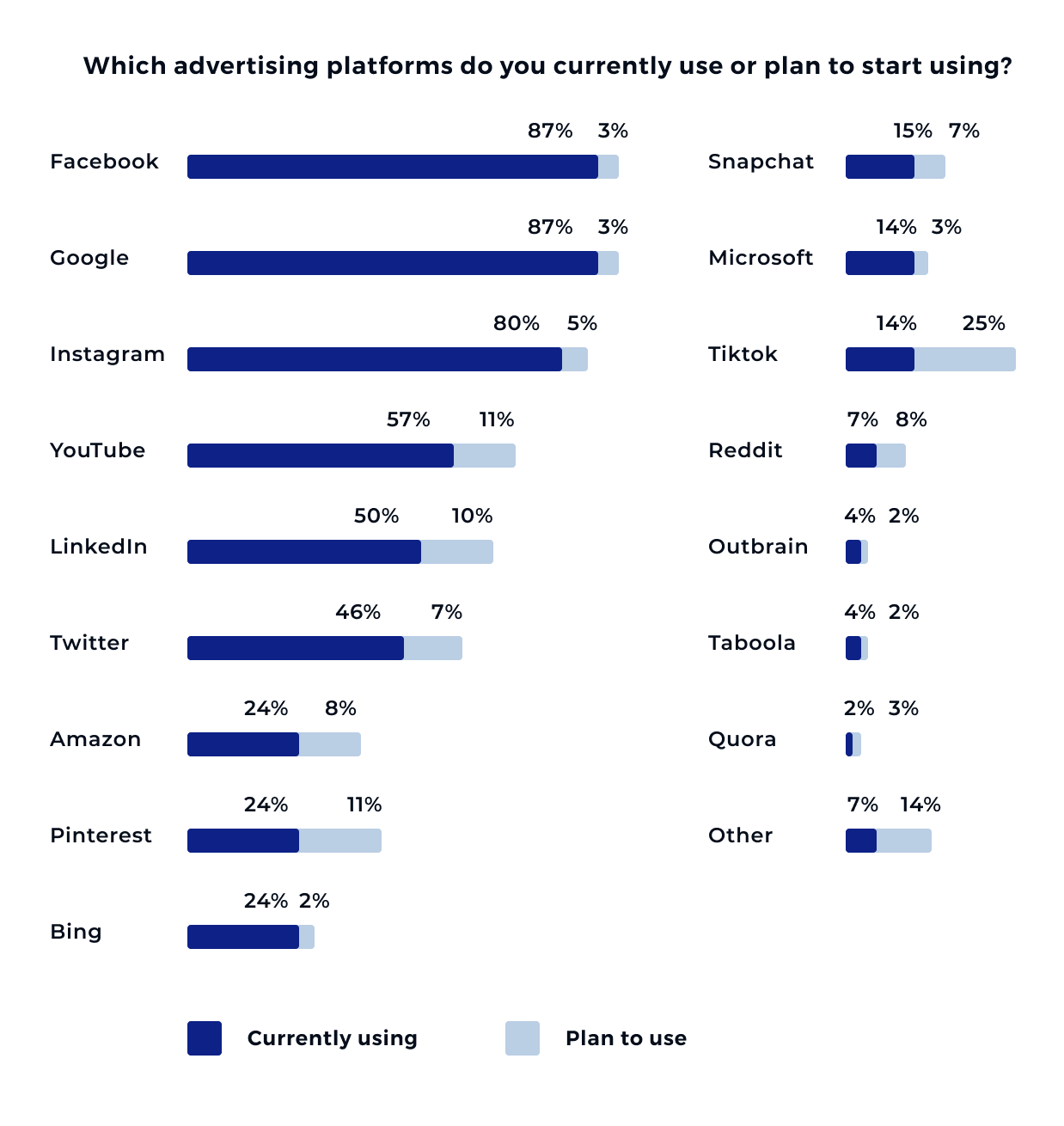
Introduction:
When it comes to running a successful e-commerce business, advertising is a crucial component. With so many platforms available, it can be overwhelming to determine which ones are the most effective for your specific needs. In this article, we will explore the top e-commerce advertising platforms that can help drive traffic, increase conversions, and boost sales.
Facebook Ads:
Facebook Ads is one of the most popular and widely used e-commerce advertising platforms. With over 2.8 billion monthly active users, Facebook provides a massive audience for businesses to reach. The platform offers various ad formats, targeting options, and budget controls, allowing businesses to tailor their campaigns to their specific goals and target audience.
One of the key advantages of Facebook Ads is its advanced targeting capabilities. With detailed demographic, interest, and behavior targeting options, businesses can reach potential customers who are most likely to be interested in their products or services. Additionally, Facebook’s retargeting feature enables businesses to reach users who have already interacted with their website or shown interest in their products.
Benefits of Facebook Ads:
Facebook Ads offers numerous benefits for e-commerce businesses. Firstly, it provides a cost-effective advertising solution, allowing businesses to set their budget and only pay for the desired actions, such as clicks or conversions. Secondly, the platform offers robust analytics and reporting tools, allowing businesses to track the performance of their campaigns and make data-driven decisions. Lastly, Facebook’s wide reach and targeting capabilities make it an ideal platform to generate brand awareness and drive targeted traffic to e-commerce websites.
Tips for Success with Facebook Ads:
To maximize the effectiveness of Facebook Ads, businesses should consider the following tips:
1. Define clear campaign objectives: Determine your specific goals, whether it’s increasing brand awareness, driving website traffic, or boosting sales. This will help you create targeted and relevant ads.
2. Use compelling visuals: Facebook is a visually-oriented platform, so make sure to use eye-catching images or videos that grab the attention of your target audience.
3. Test different ad formats and placements: Experiment with various ad formats, such as carousel ads or video ads, and test different ad placements to find the combination that works best for your business.
4. Continuously monitor and optimize: Regularly analyze the performance of your ads and make necessary adjustments to optimize their performance. This includes tweaking targeting options, ad creative, and bidding strategies.
Google Ads:
Google Ads, formerly known as Google AdWords, is another powerful e-commerce advertising platform. With Google’s vast reach and dominance in the search engine market, businesses can effectively target users who are actively searching for products or services related to their business.
One of the main advantages of Google Ads is its keyword-based targeting. Businesses can bid on relevant keywords and create text-based ads that appear in the search results when users enter those keywords. This allows businesses to reach users who are already interested in their products or services, increasing the likelihood of conversions.
Benefits of Google Ads:
Google Ads offers several benefits for e-commerce businesses. Firstly, it provides high visibility in search engine results, ensuring that your business appears prominently when users search for relevant keywords. Secondly, the platform offers precise targeting options, including location targeting, device targeting, and audience targeting, allowing businesses to reach their desired audience effectively. Lastly, Google Ads provides detailed performance insights and tracking tools, enabling businesses to measure the effectiveness of their campaigns and make data-driven optimizations.
Tips for Success with Google Ads:
To make the most of Google Ads, consider the following tips:
1. Conduct keyword research: Identify relevant keywords that your target audience is likely to search for. Use tools like Google Keyword Planner to find high-volume keywords with moderate competition.
2. Create compelling ad copy: Craft concise and compelling ad copy that highlights the unique selling points of your products or services. Include relevant keywords in your ad headlines and descriptions to improve relevance and click-through rates.
3. Optimize landing pages: Ensure that your landing pages are optimized for conversions. Make sure they load quickly, have clear calls-to-action, and provide relevant and valuable information to users.
4. Monitor and adjust bids: Regularly review the performance of your keywords and adjust your bids based on their performance. Increase bids for high-performing keywords and decrease bids for underperforming ones.
Instagram Ads:
Instagram Ads, owned by Facebook, is another popular e-commerce advertising platform that allows businesses to reach a highly engaged audience. With over 1 billion monthly active users, Instagram provides a visually appealing platform for businesses to showcase their products and connect with potential customers.
One of the main advantages of Instagram Ads is its visual nature. Businesses can create visually stunning ads that align with the aesthetics of the platform, making them more likely to capture the attention of users. Additionally, Instagram’s targeting options, including demographics, interests, and behaviors, allow businesses to reach their desired audience effectively.
Benefits of Instagram Ads:
Instagram Ads offer several benefits for e-commerce businesses. Firstly, the platform provides a highly engaged user base, with users spending an average of 53 minutes per day on the platform. This presents ample opportunities for businesses to connect with their target audience and drive conversions. Secondly, Instagram’s integration with Facebook’s advertising platform allows businesses to easily manage their campaigns and leverage the targeting capabilities of both platforms. Lastly, Instagram’s shopping features, such as product tags and shopping stickers, enable businesses to showcase their products and drive direct sales.
Tips for Success with Instagram Ads:
To effectively utilize Instagram Ads, consider the following tips:
1. Create visually appealing content: Instagram is a visually-driven platform, so invest in high-quality images or videos that align with your brand’s aesthetics. Use engaging captions to complement your visuals.
2. Leverage user-generated content: Encourage your customers to create content featuring your products and share it on Instagram. This can help build social proof and increase trust in your brand.
3. Utilize Instagram shopping features: Take advantage of Instagram’s shopping features, such as product tags and shopping stickers, to make it easier for users to discover and purchase your products directly from the platform.
4. Engage with your audience: Respond to comments and direct messages promptly, and actively engage with your audience by liking and commenting on relevant posts. This helps foster a sense of community and strengthens your brand’s relationship with your followers.
Other Effective E-commerce Advertising Platforms:
In addition to Facebook Ads, Google Ads, and Instagram Ads, there are several other effective e-commerce advertising platforms worth considering. These include:
– Pinterest Ads: Pinterest is a visual discovery platform that allows businesses to showcase their products through pins. With its highly engaged user base, Pinterest can be a valuable platform to drive traffic and sales.
– Snapchat Ads: Snapchat offers various ad formats, including Snap Ads and Collection Ads, that allow businesses to reach a younger demographic. With its creative features, businesses can create engaging and interactive ads.
– Amazon Advertising: For businesses selling products on Amazon, Amazon Advertising provides a powerful platform to reach a highly relevant audience. With options like Sponsored Products and Sponsored Brands, businesses can increase visibility and drive sales.
– LinkedIn Ads: If your e-commerce business targets professionals or B2B customers, LinkedIn Ads can be an effective platform to reach your audience. With its robust targeting options, businesses can target users based on their job titles, industries, and more.
Conclusion:
When it comes to e-commerce advertising, choosing the right platforms is essential for driving success. Facebook Ads, Google Ads, and Instagram Ads are among the most effective platforms for reaching and engaging with your target audience. However, it’s important to consider your specific business goals, target audience, and budget when selecting the platforms that work best for you. By utilizing these platforms effectively and following the tips provided, you can maximize your advertising efforts and drive significant results for your e-commerce business.
Key Takeaways: What are the most effective e-commerce advertising platforms?
- Facebook Ads: Facebook is a popular advertising platform for e-commerce businesses, allowing precise targeting and a wide reach.
- Google Ads: Google offers various advertising options, including search ads, display ads, and shopping ads, making it a versatile platform for e-commerce advertising.
- Instagram Ads: With its visually appealing nature, Instagram is a great platform to showcase products and reach a younger audience.
- Amazon Ads: For businesses selling on Amazon, utilizing Amazon Advertising can boost visibility and increase sales within the platform.
- Pinterest Ads: Pinterest is ideal for businesses with visually appealing products, as users often search for inspiration and ideas on the platform.
Frequently Asked Questions:
Question 1: What are some effective e-commerce advertising platforms?
When it comes to e-commerce advertising platforms, there are several options that can be highly effective in reaching your target audience. Here are a few popular choices:
1. Google Ads: With its vast reach and targeting capabilities, Google Ads is a powerful platform for e-commerce advertising. You can create text, display, and shopping ads to showcase your products to potential customers.
2. Facebook Ads: Facebook offers a wide range of ad formats and targeting options, making it a great platform for e-commerce advertising. You can reach specific demographics, interests, and behaviors to effectively promote your products.
Question 2: How can I leverage Instagram for e-commerce advertising?
Instagram is a visually-driven platform that can be highly effective for e-commerce advertising. Here are a few tips to leverage Instagram for your e-commerce business:
1. Create visually appealing content: Use high-quality images and videos to showcase your products in an engaging way. Invest in professional photography or create eye-catching graphics to capture the attention of Instagram users.
2. Utilize Instagram Shopping: Take advantage of Instagram’s shopping feature to tag your products in posts and stories. This allows users to easily click on the tagged products and make a purchase directly from your website.
Question 3: Are there any advertising platforms specifically for e-commerce businesses?
Yes, there are advertising platforms that are specifically designed for e-commerce businesses. Here are a couple of examples:
1. Shopify Ads: If you’re running your e-commerce store on Shopify, you can leverage Shopify Ads to promote your products. This platform integrates seamlessly with your Shopify store, making it easy to set up and manage your advertising campaigns.
2. Amazon Advertising: If you sell your products on Amazon, Amazon Advertising is a powerful platform to consider. It allows you to promote your products within the Amazon marketplace, reaching millions of potential customers.
Question 4: How can I measure the effectiveness of my e-commerce advertising campaigns?
Measuring the effectiveness of your e-commerce advertising campaigns is crucial to optimize your strategies and maximize your ROI. Here are a few key metrics you should track:
1. Conversion rate: Monitor the percentage of website visitors who make a purchase. A high conversion rate indicates that your advertising efforts are driving qualified traffic to your store.
2. Return on ad spend (ROAS): Calculate the revenue generated from your advertising campaigns compared to the amount spent on ads. A higher ROAS indicates a more successful campaign.
Question 5: Are there any budget-friendly e-commerce advertising platforms?
Absolutely! If you’re looking for budget-friendly e-commerce advertising platforms, consider the following options:
1. Pinterest Ads: Pinterest offers affordable advertising options for e-commerce businesses. You can create visually appealing pins and target specific interests and demographics to reach your ideal audience.
2. Influencer marketing: Collaborating with influencers in your industry can be a cost-effective way to promote your products. By leveraging their existing audience, you can reach potential customers without breaking the bank.
The Ultimate eCommerce Marketing Strategy Guide (Seriously)
Final Thoughts: Choosing the Right E-Commerce Advertising Platforms
Now that we’ve explored the world of e-commerce advertising platforms, it’s clear that there are several effective options to consider. From the powerhouse of Google Ads to the visually captivating realm of Instagram and Facebook, each platform offers unique advantages for promoting your e-commerce business. However, it’s important to remember that there is no one-size-fits-all solution. It all depends on your specific goals, target audience, and budget.
When it comes to selecting the right e-commerce advertising platform, it’s crucial to conduct thorough research and analyze your business needs. Consider factors such as your target market’s demographics, the type of products or services you offer, and your overall advertising budget. Keep in mind that diversifying your advertising efforts across multiple platforms can also be a winning strategy, allowing you to reach a wider audience and maximize your online visibility.
In the ever-evolving landscape of e-commerce, staying up to date with the latest trends and technologies is essential. Continuously monitor the performance of your chosen advertising platforms and be open to experimenting with new ones that emerge. Remember, the key to success lies in adapting and optimizing your strategies based on data-driven insights and consumer behavior. So, go ahead and harness the power of e-commerce advertising platforms to propel your online business to new heights!