
Are you ready to take your brand to new heights with the power of influencers? If so, you’re in the right place! Today, we’re diving deep into the world of developing a long-term influencer strategy. In this article, we’ll explore the why, the how, and the what of influencer marketing, and provide you with valuable insights and tips to help you create a winning strategy that will resonate with your target audience and boost your brand’s visibility.
Picture this: you have a team of influential personalities who authentically promote your products or services to their engaged followers. Sounds like a dream come true, right? Well, with a well-crafted long-term influencer strategy, it can become your reality. Gone are the days of one-off collaborations and short-term partnerships. Developing a long-term influencer strategy is all about building meaningful relationships with influencers who align with your brand values and have a genuine connection with your target audience. By doing so, you can tap into their influence and establish a consistent presence in the minds of your potential customers. So, let’s get started on this exciting journey of influencer marketing and unlock the potential it holds for your brand’s success!
1. Set clear goals: Determine what you want to achieve through your influencer strategy, whether it’s brand awareness, increased sales, or reaching a specific target audience.
2. Identify the right influencers: Research and identify influencers who align with your brand values and have a genuine connection with their followers.
3. Build authentic relationships: Engage with influencers by liking, commenting, and sharing their content. Offer value by providing exclusive access or collaborations.
4. Create a content strategy: Collaborate with influencers to create content that resonates with their audience and fits your brand messaging.
5. Measure and optimize: Track the success of your influencer campaigns using metrics like engagement, reach, and conversions. Continuously evaluate and refine your strategy for better results.
By following these steps, you can develop a long-term influencer strategy that drives meaningful results for your brand.
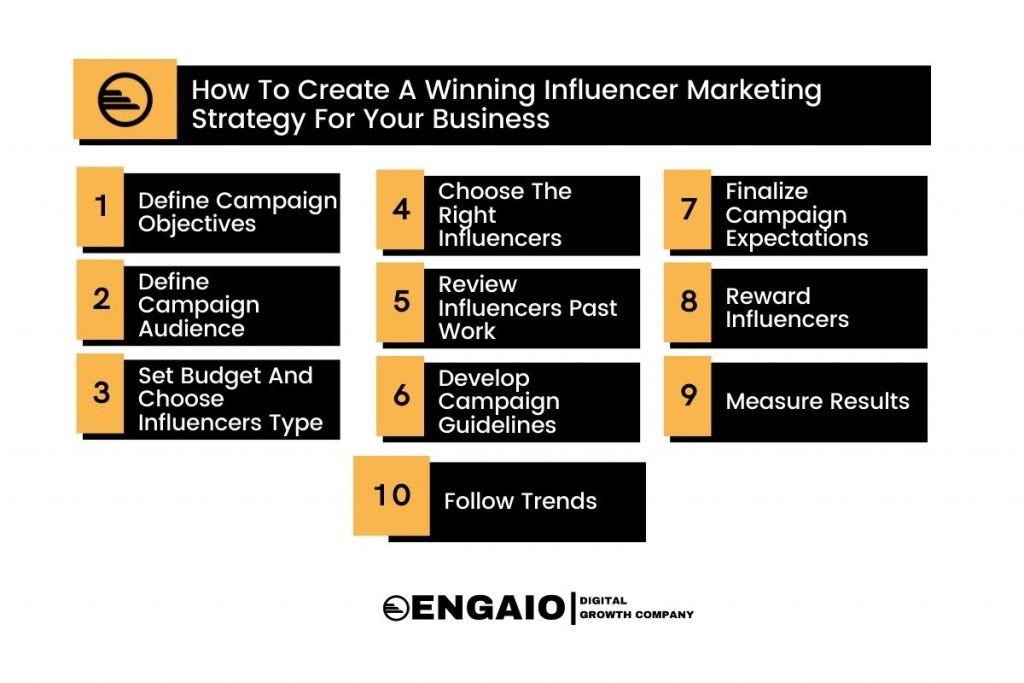
Developing a Long-Term Influencer Strategy: Building Strong Partnerships for Lasting Impact
In today’s digital age, influencers have become an essential part of marketing strategies for many brands. Their ability to connect with audiences on a personal level and their authentic approach to content creation make them valuable partners in reaching and engaging consumers. However, to truly harness the power of influencers, it is crucial to develop a long-term influencer strategy that goes beyond one-off collaborations. In this article, we will explore the importance of developing a long-term influencer strategy, the key steps involved, and the benefits it can bring to your brand.
Why Developing a Long-Term Influencer Strategy Matters
Developing a long-term influencer strategy is essential for brands looking to establish strong and lasting partnerships with influencers. While one-off collaborations can provide short-term benefits, such as increased brand visibility and immediate sales, a long-term strategy allows for deeper brand integration and ongoing engagement with the influencer’s audience. By investing in a long-term partnership, brands can build trust and credibility with both the influencer and their followers, resulting in more meaningful connections and increased brand loyalty.
Moreover, a long-term influencer strategy enables brands to align their values and messaging with those of the influencer, ensuring a consistent brand image and voice across all collaborations. This alignment allows for seamless integration of the brand’s products or services into the influencer’s content, making it feel more organic and authentic to their audience. By developing a long-term influencer strategy, brands can maximize the impact of their collaborations and create a strong association between the influencer and their brand.
The Key Steps in Developing a Long-Term Influencer Strategy
Developing a long-term influencer strategy requires careful planning and execution. Here are the key steps involved:
1. Define Your Objectives
Before embarking on any influencer collaborations, it is crucial to clearly define your objectives. What do you hope to achieve through your partnerships? Is it increased brand awareness, higher sales conversions, or improved brand perception? By identifying your goals, you can better align your strategy with your desired outcomes and measure the success of your collaborations.
2. Identify the Right Influencers
Finding the right influencers to partner with is a critical step in developing a long-term strategy. Look for influencers whose values and target audience align with your brand. Consider factors such as their engagement rates, authenticity, and reach. Conduct thorough research and analysis to ensure that the influencers you choose have a genuine connection with their followers and can effectively communicate your brand’s message.
3. Build Authentic Relationships
Once you have identified the influencers you want to work with, focus on building authentic relationships with them. Take the time to understand their content, engage with them on social media, and provide value to their community. Building a genuine connection with influencers lays the foundation for a successful long-term partnership and increases the likelihood of them becoming brand advocates.
4. Collaborate on Creative Campaigns
To keep your long-term influencer partnerships engaging and impactful, collaborate on creative campaigns that align with your brand’s objectives and the influencer’s expertise. Involve influencers in the brainstorming and planning process to ensure that their ideas and perspectives are valued. By co-creating content, you can tap into the influencer’s creativity and unique style, resulting in more authentic and engaging campaigns.
5. Measure and Optimize
Regularly measure the success of your long-term influencer collaborations by tracking key performance indicators such as reach, engagement, and conversions. Analyze the data and optimize your strategy based on the insights gained. This iterative approach allows you to continually improve your influencer partnerships and maximize the return on your investment.
The Benefits of Developing a Long-Term Influencer Strategy
Developing a long-term influencer strategy offers several benefits for brands:
1. Authenticity and Trust: Long-term partnerships foster trust and authenticity between the brand, the influencer, and their audience, leading to more meaningful connections and increased brand loyalty.
2. Consistency and Brand Alignment: By aligning values and messaging with influencers, brands can ensure a consistent brand image and voice across all collaborations, creating a strong association between the influencer and the brand.
3. Deeper Audience Engagement: Long-term partnerships allow for ongoing engagement with the influencer’s audience, enabling brands to reach a larger and more targeted audience over time.
4. Cost Efficiency: Investing in long-term partnerships can be more cost-effective than constantly seeking new influencers for each campaign, as it eliminates the need for repetitive onboarding and relationship-building processes.
5. Long-Term Impact: By developing lasting relationships with influencers, brands can generate long-term impact and sustain the positive effects of their collaborations beyond individual campaigns.
In conclusion, developing a long-term influencer strategy is crucial for brands looking to build strong and impactful partnerships. By defining objectives, identifying the right influencers, building authentic relationships, collaborating on creative campaigns, and measuring success, brands can maximize the benefits of their influencer collaborations and achieve lasting impact. Embrace the power of long-term partnerships and unlock the full potential of influencer marketing for your brand.
Key Takeaways:
- A long-term influencer strategy involves establishing long-term partnerships with influencers.
- Identify influencers who align with your brand values and target audience.
- Create a clear and concise brief for your influencers to ensure consistent messaging.
- Regularly monitor and analyze the performance of your influencer campaigns.
- Adapt and adjust your influencer strategy based on the data and insights gathered.
Frequently Asked Questions
What is the importance of developing a long-term influencer strategy?
Developing a long-term influencer strategy is crucial for businesses looking to establish a strong online presence and reach their target audience effectively. With the rise of social media platforms and the increasing influence of influencers, brands can leverage their popularity and credibility to promote their products or services. By developing a long-term strategy, businesses can build lasting relationships with influencers, ensuring consistent brand messaging and increased brand awareness over time.
Additionally, a long-term influencer strategy allows businesses to tap into the influencer’s existing audience, which can lead to higher engagement and conversion rates. By collaborating with influencers on an ongoing basis, brands can benefit from their expertise and insights, resulting in more impactful and successful marketing campaigns.
How can businesses identify the right influencers for their long-term strategy?
Identifying the right influencers for a long-term strategy involves careful research and consideration. Firstly, businesses should define their target audience and understand their preferences and interests. This will help in finding influencers who align with the brand’s values and resonate with the target audience.
Next, businesses can use tools and platforms that specialize in influencer marketing to discover relevant influencers based on various parameters such as niche, audience demographics, engagement rates, and content quality. It is important to thoroughly evaluate the influencer’s authenticity, credibility, and engagement with their followers to ensure a successful long-term partnership.
How can businesses establish strong relationships with influencers for long-term collaborations?
Building strong relationships with influencers is crucial for long-term collaborations. One way to establish these relationships is by engaging with influencers on social media platforms. Regularly comment on their posts, share their content, and interact with their followers. This will show your interest and support, and help in fostering a connection.
Another approach is to offer value to the influencer beyond monetary compensation. Provide them with exclusive access to your products or services, invite them to industry events or offer them opportunities for professional growth. By showing genuine care and support, businesses can create a mutually beneficial partnership that extends beyond a single campaign.
How can businesses measure the success of their long-term influencer strategy?
Measuring the success of a long-term influencer strategy requires the use of key performance indicators (KPIs) that align with the brand’s goals. Some common KPIs include reach, engagement, website traffic, conversions, and brand sentiment.
Businesses can track these metrics using analytics tools and compare the performance of influencer collaborations over time. By regularly monitoring these KPIs, businesses can identify trends, optimize their strategy, and make data-driven decisions to maximize the impact of their long-term influencer partnerships.
What are some best practices for developing a long-term influencer strategy?
When developing a long-term influencer strategy, it is important to consider several best practices. Firstly, clearly define the objectives and goals of the influencer partnerships. This will guide the selection of influencers and the content strategy.
Secondly, establish clear communication channels and expectations with the influencers. Regularly update them on campaign performance and provide them with the necessary resources and guidelines to create authentic and engaging content.
Lastly, continuously evaluate the performance of the influencer collaborations and make adjustments as needed. Keep an eye on industry trends, competitor strategies, and changes in consumer behavior to ensure the long-term influencer strategy remains relevant and effective.
Final Thoughts on Developing a Long-Term Influencer Strategy
So, there you have it! Developing a long-term influencer strategy is a vital component of any successful marketing plan. By leveraging the power of influencers, you can amplify your brand’s reach, engage with your target audience, and drive meaningful results. Remember, it’s not just about finding the right influencers, but also nurturing and maintaining those relationships for long-term success.
When it comes to implementing your influencer strategy, be sure to consider the unique strengths and values of your brand. Authenticity and relevance are key in building trust with your audience. Additionally, don’t underestimate the power of data and analytics. Continuously monitor and measure the impact of your influencer campaigns to make informed decisions and optimize your approach.
In conclusion, developing a long-term influencer strategy requires careful planning, relationship-building, and a commitment to delivering valuable content. By staying true to your brand’s values and leveraging the influence of trusted individuals, you can create a powerful marketing strategy that not only drives results but also cultivates a loyal and engaged community. Remember, the world of influencer marketing is ever-evolving, so stay adaptable and open to new opportunities. Get ready to take your brand to new heights with a well-crafted long-term influencer strategy!