
In the vast digital landscape of today, influencers have become the superstars of social media, captivating audiences and wielding immense power over consumer behavior. But why is influencer marketing so effective? Well, my friend, let me tell you. It’s not just because influencers have thousands, if not millions, of followers. It’s about the genuine connection and influence they have over their audience.
When an influencer shares their thoughts, experiences, and recommendations, their followers listen. They trust and admire these social media personalities, seeing them as relatable and credible sources of information. It’s like getting advice from a trusted friend or confidant. This level of trust is what makes influencer marketing so powerful. By partnering with influencers who align with their brand values, companies can tap into this trust and leverage it to promote their products or services. It’s like having a friend vouch for you, amplifying your reach and credibility in the online world. So, when it comes to reaching and engaging with your target audience, influencer marketing is a force to be reckoned with.
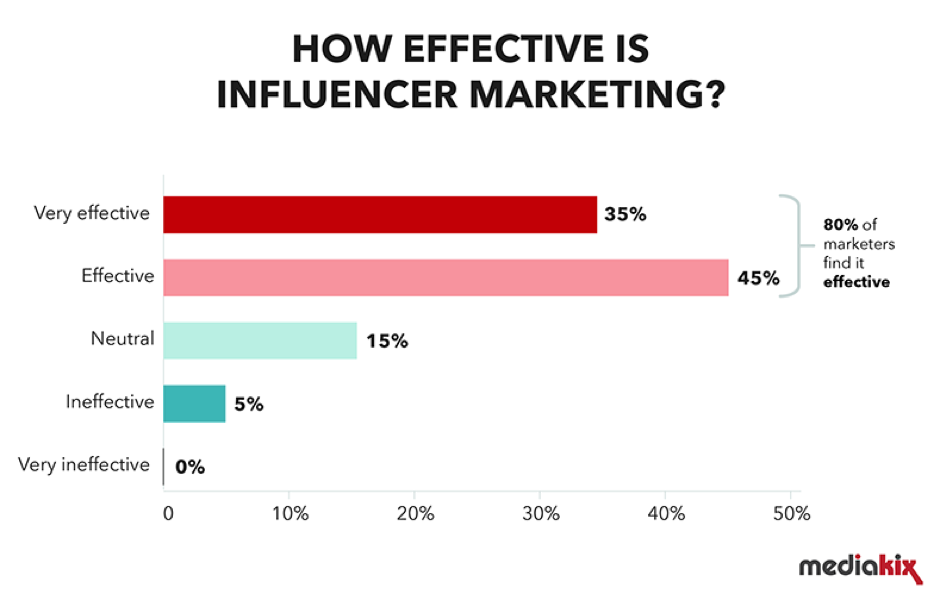
Why is Influencer Marketing Effective?
In the world of digital marketing, influencer marketing has emerged as a powerful strategy to connect with consumers and promote brands effectively. Influencer marketing involves partnering with influential individuals who have a large following on social media platforms such as Instagram, YouTube, or TikTok. These influencers have built a loyal audience and have the ability to sway their followers’ opinions and purchasing decisions. This article will explore the reasons why influencer marketing is so effective and how it can benefit businesses.
Building Trust and Credibility
One of the main reasons why influencer marketing is so effective is because it helps to build trust and credibility with consumers. Traditional advertising methods often come across as salesy and insincere, leading consumers to become skeptical and wary of brands’ claims. However, when an influencer promotes a product or service, their followers perceive it as a personal recommendation rather than a paid advertisement. This personal connection and endorsement from someone they trust help to establish credibility for the brand and increase the likelihood of consumers trying out the product.
Furthermore, influencers often have a specific niche or area of expertise, whether it’s fashion, fitness, or beauty. Their followers view them as industry experts and seek their advice and recommendations. When an influencer promotes a product within their niche, it resonates with their audience and creates a sense of authenticity. This authenticity and trust are crucial in today’s marketing landscape, where consumers are increasingly skeptical of traditional advertising.
Increased Reach and Exposure
Another significant advantage of influencer marketing is the increased reach and exposure it provides for brands. Influencers have a dedicated and engaged following who actively consume their content. When an influencer promotes a brand or product, it reaches a large audience instantly. This reach is especially valuable for businesses looking to target specific demographics or niche markets.
Additionally, influencers often have a strong online presence across multiple platforms. For example, an influencer may have a large following on Instagram, YouTube, and a blog. By collaborating with influencers across different platforms, brands can tap into their diverse audience and expand their reach even further. This multi-channel approach allows businesses to connect with potential customers who may not have been reached through traditional marketing channels.
In conclusion, influencer marketing is an effective strategy for brands to build trust, increase credibility, and reach a wider audience. By leveraging the influence and authenticity of social media influencers, businesses can connect with consumers in a more genuine and meaningful way. The power of influencer marketing lies in its ability to create a personal connection between brands and consumers, driving engagement and ultimately, business growth. So, it’s no wonder that influencer marketing has become an essential tool in the digital marketing toolkit.
Now, let’s delve deeper into the specific benefits and strategies of influencer marketing.
Key Takeaways: Why is influencer marketing effective?
- Influencer marketing leverages the trust and credibility of popular individuals to promote products or services.
- Influencers have a dedicated following who value their opinions and recommendations.
- Influencers can create authentic and relatable content that resonates with their audience.
- Influencer marketing allows brands to reach a wider and more targeted audience.
- Influencers can help increase brand awareness, engagement, and conversions.
Frequently Asked Questions
What makes influencer marketing effective?
Influencer marketing has gained immense popularity in recent years due to its effectiveness in reaching and engaging target audiences. There are several key factors that contribute to its effectiveness:
Firstly, influencers have established credibility and trust with their followers. Their recommendations and endorsements are seen as authentic and reliable, which greatly influences purchasing decisions. This level of trust allows brands to tap into the loyalty and influence of the influencers’ audience.
Secondly, influencer marketing allows brands to target specific niche markets. By partnering with influencers who have a dedicated following within a particular niche, brands can reach a highly engaged audience that is more likely to have a genuine interest in their products or services. This targeted approach ensures that the brand’s message resonates with the right people, leading to higher conversion rates.
How does influencer marketing drive brand awareness?
Influencer marketing is a powerful tool for driving brand awareness. When influencers share content related to a brand, it exposes the brand to a wider audience that may not have been aware of it before. The reach of influencers can extend beyond their immediate followers through shares, likes, and comments, creating a ripple effect that amplifies brand exposure.
Additionally, influencers often have a strong presence on various social media platforms, where they regularly engage with their followers. This allows them to generate buzz around a brand, create conversations, and spark interest in their audience. The combination of the influencer’s reach and the authentic engagement they foster helps to increase brand visibility and recognition.
What are the benefits of influencer marketing?
Influencer marketing offers a range of benefits for brands looking to enhance their marketing efforts:
1. Increased credibility: By partnering with influencers who align with their values and target audience, brands can benefit from the influencer’s established credibility, which in turn enhances their own credibility.
2. Expanded reach: Influencers have a dedicated following, and collaborating with them allows brands to tap into their reach, exposing their products or services to a larger audience.
3. Authenticity and trust: Influencers have built trust with their followers, and when they endorse a brand, it comes across as genuine and trustworthy, leading to higher trust levels among the audience.
4. Targeted marketing: Influencers often have a niche audience, allowing brands to reach a specific demographic or market segment that aligns with their brand objectives.
5. Cost-effective: Compared to traditional advertising methods, influencer marketing can be a cost-effective strategy, especially for smaller brands. It allows them to leverage the influence of others without significant investment in traditional advertising channels.
How does influencer marketing impact consumer behavior?
Influencer marketing has a significant impact on consumer behavior, primarily due to the trust and connection influencers have with their audience:
1. Purchase decisions: Influencers play a role in shaping consumer purchase decisions. Their recommendations and endorsements carry weight, and followers often rely on their opinions when considering a purchase.
2. Brand loyalty: By associating themselves with influencers, brands can foster a sense of loyalty among the influencer’s audience. When consumers see their favorite influencer endorsing a brand consistently, they are more likely to develop a positive perception and become loyal customers.
3. Social proof: Influencer marketing provides social proof, as consumers see others engaging with a brand through influencers. This social proof strengthens brand credibility and encourages others to follow suit.
4. Word-of-mouth marketing: Influencers are like trusted friends, and when they talk positively about a brand, their followers are more likely to share this information with their own networks. This word-of-mouth marketing further extends the reach and impact of influencer campaigns.
How can brands measure the effectiveness of influencer marketing?
Measuring the effectiveness of influencer marketing campaigns is crucial for brands to understand their return on investment. Some common metrics used to measure effectiveness include:
1. Reach: Brands can track the number of impressions, views, or reach generated by influencer content to gauge its exposure.
2. Engagement: By analyzing likes, comments, shares, and other forms of engagement, brands can assess the level of audience interaction with influencer posts.
3. Conversion rates: Tracking the number of conversions, such as website visits, sign-ups, or purchases, attributed to influencer campaigns helps determine their impact on driving desired actions.
4. Brand sentiment: Monitoring the sentiment of the audience’s response to influencer content provides insights into how the campaign is resonating with the target audience.
5. Affiliate tracking: Implementing unique affiliate links or discount codes tied to influencers allows brands to measure the direct impact of their collaborations on sales or conversions.
Why is influencer marketing so effective?
Final Thoughts: The Power of Influencer Marketing
In conclusion, it is evident that influencer marketing has become a powerful tool in today’s digital landscape. By leveraging the reach and influence of popular individuals, businesses can effectively promote their products or services to a targeted audience. The effectiveness of influencer marketing lies in its ability to build trust, authenticity, and credibility among consumers. Unlike traditional advertising methods, influencer marketing creates a more personalized and relatable experience for consumers, making them more likely to engage with and trust the endorsed products or services.
Furthermore, influencer marketing harnesses the power of social proof. When consumers see their favorite influencers endorsing a brand or product, they are more inclined to believe in its quality and value. This social proof not only increases brand awareness but also drives conversions and boosts sales. In addition, influencer marketing allows brands to tap into niche markets and target specific demographics, ensuring that their message reaches the right people at the right time.
In conclusion, influencer marketing is an effective strategy that can help businesses gain a competitive edge in the digital landscape. By partnering with influencers who align with their brand values and target audience, businesses can leverage the power of trust, authenticity, and social proof to drive meaningful engagement and conversions. As the digital landscape continues to evolve, influencer marketing will undoubtedly remain a valuable tool for businesses looking to connect with their target audience in a more genuine and impactful way. So, embrace the power of influencers and watch your brand soar to new heights!