
When it comes to the world of influencer marketing, there’s more to it than meets the eye. Behind those perfectly curated Instagram posts and sponsored content lies a whole array of ethical considerations that need to be addressed. So, what are the ethical considerations in influencer marketing? Let’s dive in and explore this topic together.
In today’s digital age, influencer marketing has become a powerful tool for brands to reach their target audience. But with great power comes great responsibility. As influencers gain more influence and reach, it’s crucial to consider the ethical implications of their actions. From transparency and authenticity to the potential impact on vulnerable audiences, there are several key factors to take into account. In this article, we’ll delve into the world of influencer marketing and take a closer look at the ethical considerations that both influencers and brands should keep in mind. So, grab a cup of coffee, sit back, and let’s explore the fascinating realm of influencer marketing ethics.
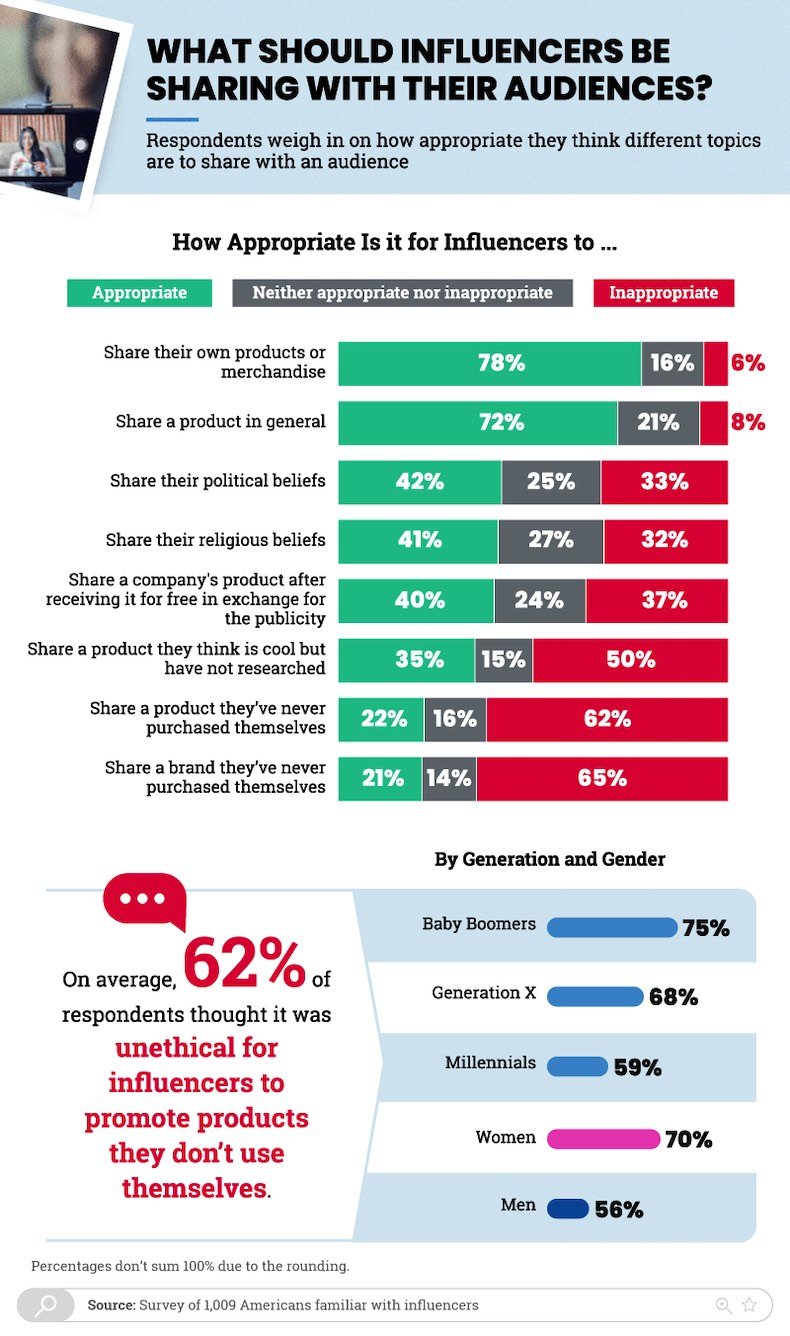
Understanding the Ethical Considerations in Influencer Marketing
In today’s digital age, influencer marketing has become a powerful tool for brands to reach their target audience. With the rise of social media platforms, influencers have gained significant influence over their followers’ purchasing decisions. However, as influencer marketing continues to evolve, it is essential to address the ethical considerations that come with this form of advertising. In this article, we will explore the ethical considerations in influencer marketing and how brands can navigate this landscape responsibly.
The Importance of Transparency and Disclosure
One of the key ethical considerations in influencer marketing is transparency and disclosure. It is crucial for influencers to disclose their partnerships and sponsored content to their audience. This allows followers to differentiate between genuine recommendations and paid promotions, enabling them to make informed decisions.
Transparency also helps build trust between influencers, brands, and their audience. When influencers are upfront about their collaborations, it fosters authenticity and credibility. Brands should work closely with influencers to ensure they understand the importance of disclosure and provide guidelines on how to disclose partnerships appropriately.
Ensuring Authenticity in Influencer-Brand Partnerships
Influencers are often admired and trusted by their followers, which is why it is vital for brands to ensure authenticity in influencer-brand partnerships. Genuine recommendations resonate with an audience and can lead to long-term brand loyalty.
Brands should carefully select influencers whose values align with their own. Authenticity cannot be forced, and genuine partnerships result in more impactful and successful campaigns. It is also important for influencers to have the freedom to express their own opinions about a product or service, even if it is sponsored. This transparency reinforces their credibility and maintains the trust of their audience.
The Impact of Misleading Content
Misleading content is a significant ethical concern in influencer marketing. Brands and influencers must avoid any form of deceptive advertising that could mislead consumers. Misleading practices can include exaggerating the benefits of a product, making false claims, or concealing potential risks.
Regulatory bodies, such as the Federal Trade Commission (FTC), have implemented guidelines to combat misleading content in influencer marketing. These guidelines require influencers to disclose any material connection to a brand and ensure that their endorsements are truthful and not misleading.
Protecting Vulnerable Audiences
Another ethical consideration in influencer marketing is protecting vulnerable audiences, such as children and teenagers. Influencers have a significant impact on younger demographics, and it is crucial to ensure that they are not exploited or exposed to harmful content.
Brands must take responsibility for the content they promote through influencers and ensure it aligns with appropriate values and standards. It is also important for influencers to be mindful of the impact they have on their younger followers and promote positive messages and behaviors.
The Role of Authenticity and Influencer Selection
Authenticity plays a vital role in influencer marketing, and brands must carefully select influencers who genuinely align with their values and target audience. By choosing influencers who are genuinely interested in the brand or product, brands can ensure that their campaigns are more authentic and resonate with the intended audience.
Furthermore, brands should prioritize long-term partnerships with influencers rather than one-off collaborations. Long-term partnerships allow influencers to develop a deeper understanding of the brand and its values, resulting in more authentic and impactful content.
Fostering Responsible Advertising Practices
Responsible advertising practices are essential in influencer marketing to maintain trust and credibility. Brands should provide clear guidelines to influencers on how to promote their products or services responsibly, ensuring that the content adheres to ethical standards.
Brands should also regularly monitor the content produced by influencers to ensure compliance with ethical guidelines. This includes monitoring the accuracy of product claims, disclosure practices, and the overall messaging conveyed in the content.
Conclusion
Ethical considerations in influencer marketing are paramount in maintaining trust, transparency, and credibility. By prioritizing transparency, authenticity, and responsible advertising practices, brands and influencers can navigate the influencer marketing landscape ethically. It is essential for brands to select influencers carefully, foster genuine partnerships, and ensure that their content aligns with ethical standards. By doing so, influencer marketing can continue to be a powerful and effective means of reaching and engaging with target audiences.
Key Takeaways: What are the ethical considerations in influencer marketing?
- 1. Transparency is crucial: Influencers should clearly disclose sponsored content to their audience.
- 2. Authenticity matters: Influencers should only promote products they genuinely believe in.
- 3. Honesty is essential: Influencers should provide truthful and accurate information about the promoted products.
- 4. Respect audience trust: Influencers should prioritize their audience’s best interests and not mislead or manipulate them.
- 5. Avoid conflicts of interest: Influencers should avoid promoting competitors or engaging in unethical practices that compromise their integrity.
Frequently Asked Questions
What is influencer marketing?
Influencer marketing is a type of marketing strategy that involves collaborating with influential individuals, often referred to as influencers, to promote a brand or product. These influencers have a large following on social media platforms and are seen as experts or trendsetters in their respective niches. By leveraging their influence and credibility, brands can reach a wider audience and build trust with consumers.
However, it is important to consider the ethical implications of influencer marketing to ensure transparency, authenticity, and accountability in these collaborations.
What are the ethical considerations in influencer marketing?
One of the main ethical considerations in influencer marketing is the issue of disclosure. It is crucial for influencers to clearly disclose their partnerships or sponsorships with brands to their audience. This helps maintain transparency and ensures that consumers are aware of any potential biases or conflicts of interest. Failure to disclose sponsored content can be seen as deceptive and unethical.
Another ethical consideration is the authenticity of the content. Influencers should strive to create genuine and honest content that aligns with their personal values and beliefs. They should avoid promoting products or services that they do not genuinely support or believe in. Misleading or dishonest content can erode trust and credibility, both for the influencer and the brand.
How can influencers ensure ethical practices in their marketing?
Influencers can ensure ethical practices in their marketing by following a few guidelines. Firstly, they should clearly disclose any partnerships or sponsorships by using appropriate hashtags or captions that indicate the content is sponsored. This helps maintain transparency and avoids any potential legal or ethical issues.
Secondly, influencers should carefully select the brands they collaborate with and only promote products or services that align with their personal values and beliefs. They should prioritize authenticity over monetary gains and avoid engaging in misleading or deceptive practices.
What responsibilities do brands have in influencer marketing?
Brands also have ethical responsibilities in influencer marketing. They should ensure that influencers they collaborate with are transparent and disclose their partnerships. Brands should also provide clear guidelines to influencers regarding the content they create and the messaging they convey.
Furthermore, brands should avoid pressuring influencers to create misleading or dishonest content. They should prioritize long-term partnerships based on trust and authenticity rather than short-term gains. Brands have a responsibility to be transparent with consumers and ensure that their influencer marketing campaigns are ethical and align with their brand values.
What are the consequences of unethical influencer marketing?
Engaging in unethical influencer marketing practices can have serious consequences for both influencers and brands. From a legal perspective, failure to disclose sponsored content can lead to fines and legal actions from regulatory bodies. Moreover, it can damage the reputation and credibility of the influencer and the brand they are promoting.
From a consumer perspective, unethical influencer marketing can erode trust and lead to skepticism towards influencer recommendations. This can negatively impact the effectiveness of influencer marketing campaigns and ultimately harm the brand’s reputation and sales. It is important for both influencers and brands to prioritize ethical practices to ensure long-term success and credibility in the industry.
The Importance of Ethical Marketing
Final Summary: The Ethical Considerations in Influencer Marketing
When it comes to influencer marketing, ethical considerations play a crucial role in maintaining transparency, trust, and credibility. As brands collaborate with influencers to promote their products or services, it is important to ensure that ethical guidelines are followed to protect both the audience and the integrity of the industry.
One of the key ethical considerations in influencer marketing is the issue of authenticity. Audiences value genuine recommendations from influencers they trust. Brands should encourage influencers to disclose any sponsored content and clearly differentiate it from organic posts. This transparency not only builds trust with the audience but also ensures compliance with advertising regulations.
Another important ethical consideration is the responsibility of influencers to promote products or services that align with their values and beliefs. Influencers should carefully consider the impact and potential harm of the products they endorse. It is crucial to prioritize the well-being of the audience and avoid promoting harmful or misleading products.
In conclusion, ethical considerations are vital in influencer marketing to maintain trust and credibility. By prioritizing authenticity, transparency, and responsible product promotion, brands and influencers can build strong relationships with their audience while upholding ethical standards. As the industry continues to evolve, it is essential to adapt and adhere to these ethical guidelines for a sustainable and ethical influencer marketing ecosystem.