
Curious to know who is tuning in to their favorite influencers? Wondering about the demographics of influencer audiences? Look no further! In this article, we’ll dive into the fascinating world of influencer demographics and explore the diverse range of individuals who make up these engaged communities. So, grab a cup of coffee, sit back, and let’s uncover the secrets behind the audiences that flock to their favorite social media stars.
Influencers have become a powerful force in the digital landscape, captivating audiences with their unique personalities and compelling content. But who exactly is watching? Well, the demographics of influencer audiences are as varied as the influencers themselves. From young Gen Z’ers to tech-savvy millennials, and even the older generations who have embraced the digital age, influencer audiences span across all age groups. But that’s not all! These communities are also incredibly diverse in terms of gender, location, and interests. So, whether you’re a fashionista following the latest trends or a fitness enthusiast seeking motivation, there’s an influencer out there for you. Stay tuned as we delve into the fascinating world of influencer demographics and uncover the secrets behind these devoted followings.
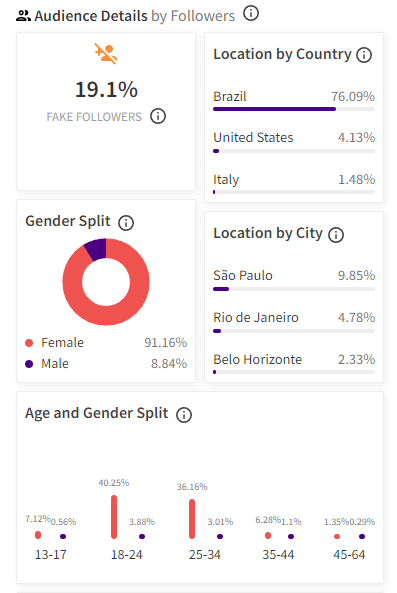
Understanding the Demographics of Influencer Audiences
In today’s digital age, influencer marketing has become a powerful tool for brands to reach their target audience. With social media platforms like Instagram, YouTube, and TikTok, influencers have the ability to captivate large audiences and influence their purchasing decisions. However, in order to effectively leverage influencer marketing, brands need to have a deep understanding of the demographics of influencer audiences.
The Importance of Knowing the Demographics
Knowing the demographics of influencer audiences is crucial for brands to tailor their marketing strategies and create content that resonates with their target customers. By understanding the age, gender, location, and interests of the influencer’s audience, brands can ensure that their products or services are being promoted to the right people. This not only increases the chances of conversion but also helps in building brand loyalty and establishing a strong online presence.
Age Demographics
One of the key aspects of influencer audience demographics is age. Different age groups have varying preferences and interests, which directly impact their purchasing decisions. For example, if a brand is targeting millennials, it would be more effective to collaborate with influencers who have a predominantly millennial audience. By doing so, the brand can create content that resonates with this specific demographic and increase the likelihood of engagement and conversions.
Gender Demographics
Understanding the gender demographics of influencer audiences is also important for brands. Certain products or services may be more appealing to a specific gender, and collaborating with influencers who have a higher percentage of that gender in their audience can yield better results. For instance, a beauty brand may choose to work with female influencers who have a predominantly female audience, as they are more likely to be interested in makeup and skincare products.
Location Demographics
The location demographics of influencer audiences can be valuable information for brands, especially if they have a specific target market in mind. For instance, if a brand wants to expand its reach in a particular region or country, collaborating with influencers who have a significant following from that location can be highly beneficial. This allows the brand to tap into a ready-made audience that is more likely to be interested in their products or services.
Key Insights from Demographic Data
Analyzing the demographics of influencer audiences can provide brands with key insights that can shape their marketing strategies. Here are a few important insights that can be gained:
Consumer Behavior
Demographic data can provide valuable insights into consumer behavior. By analyzing the purchasing patterns and preferences of different age groups and genders within an influencer’s audience, brands can gain a better understanding of what drives their target customers’ buying decisions. This information can then be used to create more targeted and effective marketing campaigns.
Content Creation
Knowing the demographics of an influencer’s audience can help brands create content that resonates with them. By tailoring their messaging, visuals, and tone to match the preferences of the target audience, brands can increase engagement and build a stronger connection with their customers. This can result in higher conversion rates and increased brand loyalty.
Brand Awareness
Understanding the demographics of influencer audiences can also help brands increase their brand awareness. By collaborating with influencers who have a large and diverse following, brands can reach a wider audience and increase their visibility. This can be especially beneficial for brands that are looking to expand their reach and establish a presence in new markets.
Conclusion
In conclusion, understanding the demographics of influencer audiences is crucial for brands to effectively leverage influencer marketing. By knowing the age, gender, location, and interests of an influencer’s audience, brands can tailor their marketing strategies, create targeted content, and increase their brand awareness. Analyzing demographic data also provides key insights into consumer behavior, allowing brands to make more informed decisions and drive better results. So, the next time you plan to collaborate with an influencer, make sure to dive deep into their audience demographics for maximum impact.
Key Takeaways: What are the demographics of influencer audiences?
- Influencer audiences are diverse and consist of people from different age groups, ethnicities, and backgrounds.
- You can find influencer audiences that cater to specific demographics, such as millennials, parents, or fitness enthusiasts.
- Demographics of influencer audiences can vary based on the platform, with different age groups being more prevalent on certain platforms.
- Gender distribution among influencer audiences can also vary, with some influencers having a predominantly male or female audience.
- Brands can leverage the demographics of influencer audiences to target their marketing efforts and reach specific customer segments.
Frequently Asked Questions
1. What factors influence the demographics of influencer audiences?
Influencer audiences can vary widely in terms of demographics, and there are several factors that influence this diversity. One major factor is the type of content that the influencer creates. For example, if an influencer primarily focuses on fashion and beauty, their audience is likely to be predominantly female and younger in age. On the other hand, if an influencer specializes in topics such as finance or parenting, their audience may be more diverse in terms of gender and age.
Another factor that influences the demographics of influencer audiences is the platform on which the influencer is active. Different social media platforms attract different demographics. For instance, Instagram tends to have a younger user base, while Facebook has a more diverse age range. Therefore, influencers who primarily use Instagram may have a younger audience compared to those who focus on Facebook or other platforms.
2. How does an influencer’s niche impact their audience demographics?
The niche or topic that an influencer specializes in can have a significant impact on the demographics of their audience. When an influencer focuses on a specific niche, they tend to attract a more targeted audience that shares an interest in that particular topic. For example, a fitness influencer who creates content related to workouts and healthy eating is likely to have an audience that is predominantly interested in fitness and wellness.
This targeted approach to content creation allows influencers to connect more effectively with their audience and build a community of like-minded individuals. It also means that the demographics of their audience may align more closely with the demographics of people who are interested in that particular niche. Therefore, an influencer’s niche plays a crucial role in shaping the demographics of their audience.
3. Are influencer audiences predominantly male or female?
The gender distribution of influencer audiences can vary depending on the niche and content of the influencer. In some niches, such as beauty and fashion, the audience is predominantly female. This is because these topics tend to resonate more with female audiences. On the other hand, niches like gaming or technology may attract a larger male audience.
However, it’s important to note that influencer audiences are not always skewed heavily towards one gender. Many influencers have diverse audiences with a fairly equal distribution of male and female followers. Additionally, there are also influencers who cater specifically to underrepresented demographics, such as LGBTQ+ influencers or influencers targeting specific ethnic groups.
4. Do influencer audiences vary in terms of age?
Yes, influencer audiences can vary significantly in terms of age. The age distribution of an influencer’s audience is influenced by several factors, including the content, platform, and target market of the influencer. For example, influencers who create content related to parenting or baby care are likely to have a larger audience of young parents or individuals interested in starting a family.
Similarly, influencers who focus on topics like retirement planning or financial advice may attract an older audience. However, it’s worth mentioning that many influencers have a broad age range in their audience, as their content appeals to people of different ages. This diversity in age can be attributed to the wide range of topics and interests covered by influencers across various niches.
5. How do influencer demographics impact brand partnerships?
Influencer demographics play a crucial role in determining the success of brand partnerships. When brands collaborate with influencers, they often look for a target audience that aligns with their target market. For example, a beauty brand targeting young women may choose to partner with an influencer who has a predominantly female and young audience.
By understanding the demographics of an influencer’s audience, brands can better assess the potential reach and impact of their partnership. They can also tailor their marketing strategies and messaging to resonate with the influencer’s audience. In this way, influencer demographics provide valuable insights for brands seeking to leverage influencer marketing to connect with their target audience.
Final Summary: Understanding the Audience of Influencers
As we delve into the world of influencer marketing, it becomes increasingly important to understand the demographics of influencer audiences. By analyzing the characteristics of these audiences, businesses can tailor their marketing strategies to effectively reach their target customers. So, what can we conclude about the demographics of influencer audiences?
Firstly, it’s important to note that influencer audiences are incredibly diverse. They span across different age groups, genders, and locations. This diversity allows influencers to connect with a wide range of individuals who resonate with their content. Whether it’s a fashion influencer appealing to young adults or a parenting influencer connecting with new moms, there is an influencer for every niche and demographic.
Secondly, social media platforms play a significant role in determining the demographics of influencer audiences. Instagram, for example, tends to attract a younger audience, while Facebook appeals to a broader range of age groups. TikTok has gained popularity among Gen Z, while YouTube remains a favorite among various age demographics. Understanding which platforms influencers use to engage with their audiences can provide valuable insights into the demographics they reach.
In conclusion, the demographics of influencer audiences are vast and diverse, allowing businesses to target specific segments of the population through influencer marketing. By recognizing the varying demographics and utilizing the right social media platforms, businesses can effectively connect with their target customers. So, whether you’re a brand looking to expand your reach or an influencer seeking to engage with your audience, understanding the demographics of influencer audiences is key to success in the ever-evolving world of digital marketing.