
If you’ve ever dipped your toes into the vast ocean of online marketing, you’ve probably come across the term “marketing funnels.” But what exactly are they, and why are they so significant in the world of online marketing? Well, my friend, you’re in the right place because I’m about to break it down for you in a way that even your tech-challenged aunt could understand. So sit back, relax, and prepare to have your mind blown!
Picture this: You’re strolling through a bustling marketplace, and you stumble upon a vendor selling the latest gadget that promises to change your life. The vendor grabs your attention with a catchy slogan, draws you in with a captivating demonstration, and finally convinces you to make a purchase. That, my friend, is the essence of a marketing funnel. It’s a strategic process that guides potential customers through a series of steps, from awareness to conversion, just like the journey you took in that marketplace.
Now, you might be wondering, “Why is this funnel thingy so important in the online world?” Well, let me tell you, online marketing is a whole different ball game. With countless distractions and a limited attention span, capturing and retaining the interest of your target audience is no easy feat. That’s where marketing funnels come in. They act as a roadmap, leading your potential customers on a journey that maximizes their engagement, builds trust, and ultimately leads to conversions. Whether you’re selling a product, promoting a service, or simply looking to grow your online presence, understanding the significance of marketing funnels is the secret sauce to online marketing success. So buckle up, my friend, because we’re about to dive deep into the world of marketing funnels and uncover the secrets to online marketing domination.
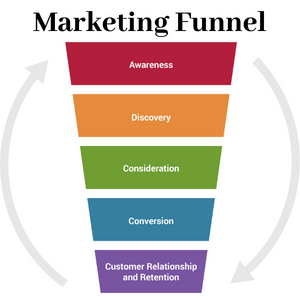
Understanding the Significance of Marketing Funnels in Online Marketing
When it comes to online marketing, understanding the significance of marketing funnels is crucial. A marketing funnel is a strategic framework that outlines the journey a potential customer takes from the initial point of contact to the final conversion. It acts as a roadmap, guiding businesses in effectively attracting, engaging, and converting leads into loyal customers. With the ever-increasing competition in the digital landscape, having a well-structured marketing funnel is essential for businesses to succeed.
Building Awareness and Generating Leads
The first stage of a marketing funnel is to build awareness and generate leads. At this stage, businesses aim to attract the attention of their target audience and encourage them to take some form of action, such as signing up for a newsletter, following social media accounts, or downloading a free resource. This is typically done through various marketing channels, including content marketing, social media marketing, search engine optimization, and paid advertising.
During this stage, it is important to create compelling and valuable content that resonates with the target audience. By providing informative and engaging content, businesses can establish themselves as industry experts and build trust with potential customers. This helps to generate leads and move them further down the marketing funnel.
The Role of Content Marketing
Content marketing plays a crucial role in the awareness stage of the marketing funnel. By creating high-quality blog posts, articles, videos, or podcasts, businesses can attract their target audience and provide them with valuable information. This not only helps to build brand awareness but also positions the business as a trusted source of information in their industry.
Additionally, content marketing helps to improve search engine rankings, making it easier for potential customers to find the business online. By optimizing content with relevant keywords, businesses can increase their visibility in search engine results pages (SERPs) and drive organic traffic to their website.
The Power of Social Media Marketing
Social media marketing is another effective strategy for building awareness and generating leads. With billions of users actively engaging on social media platforms, businesses have the opportunity to reach a wide audience and showcase their products or services. By creating compelling social media posts, running targeted ad campaigns, and engaging with followers, businesses can attract potential customers and drive them to their marketing funnel.
In addition to building awareness, social media also allows businesses to engage with their audience on a more personal level. By responding to comments, messages, and reviews, businesses can build a sense of trust and credibility, ultimately increasing the chances of converting leads into customers.
Nurturing and Engaging Leads
Once leads have entered the marketing funnel, the next stage is to nurture and engage them. At this point, businesses focus on building relationships and providing valuable information to guide leads towards making a purchase decision. This is done through targeted email marketing campaigns, personalized content, and lead nurturing strategies.
The Power of Email Marketing
Email marketing is a powerful tool for nurturing and engaging leads. By sending targeted and personalized emails, businesses can provide value to their leads, keep them informed about new products or services, and build a relationship over time. Through email automation and segmentation, businesses can deliver the right message to the right audience at the right time, increasing the chances of conversion.
Personalized Content for Lead Engagement
Personalization is key when it comes to engaging leads. By tailoring content to the specific needs and interests of each lead, businesses can create a more personalized experience and increase engagement. This can be done through dynamic website content, personalized product recommendations, or targeted landing pages. By showing leads that the business understands their unique challenges and offers solutions, businesses can build trust and loyalty, ultimately leading to higher conversion rates.
In conclusion, marketing funnels play a significant role in online marketing. They provide a structured framework for businesses to attract, engage, and convert leads into customers. By building awareness, generating leads, nurturing and engaging those leads, businesses can increase their chances of success in the highly competitive online landscape. So, whether you are a small startup or an established enterprise, implementing a well-designed marketing funnel is essential for driving growth and achieving long-term success.
Key Takeaways: The Significance of Marketing Funnels in Online Marketing
- A marketing funnel is a step-by-step process that helps businesses convert potential customers into paying customers.
- It allows businesses to understand and track customer behavior throughout the entire buying journey.
- Marketing funnels help businesses optimize their marketing strategies and improve conversion rates.
- They enable businesses to target specific audiences, personalize marketing messages, and deliver the right content at the right time.
- By using marketing funnels, businesses can build strong relationships with customers and increase customer loyalty.
Frequently Asked Questions:
1. How do marketing funnels help in online marketing?
Marketing funnels play a significant role in online marketing by guiding potential customers through a series of steps towards making a purchase or taking a desired action. These funnels are designed to attract, engage, and convert leads into customers, ultimately increasing sales and revenue.
At the top of the funnel, awareness is created through various marketing channels such as social media, content marketing, and advertising. As prospects move down the funnel, they become more interested and engaged with the brand. This is where lead generation and nurturing strategies come into play, providing valuable content and building trust.
Finally, at the bottom of the funnel, prospects are ready to make a purchase decision. The marketing funnel helps streamline this process, making it easier for businesses to close the deal and achieve their marketing goals.
2. How can marketing funnels improve conversion rates?
Marketing funnels are designed to optimize conversion rates by guiding prospects through a series of steps that lead them towards a desired action. By strategically mapping out the customer journey, businesses can identify potential bottlenecks and optimize each stage of the funnel to increase conversions.
For example, by analyzing data and customer behavior, businesses can identify areas where prospects are dropping off or losing interest. This allows them to make necessary adjustments to their marketing strategies, such as improving the website user experience, refining targeting, or optimizing content to better address customer pain points.
Additionally, marketing funnels enable businesses to personalize their marketing efforts based on where prospects are in the buying process. By delivering tailored messages and offers to different segments of their audience, businesses can increase the relevance and effectiveness of their marketing campaigns, ultimately improving conversion rates.
3. What role does email marketing play in marketing funnels?
Email marketing plays a crucial role in marketing funnels as it allows businesses to nurture leads and maintain ongoing communication with prospects. Once a lead enters the marketing funnel, businesses can use email marketing to deliver targeted and personalized messages to guide them through the different stages of the funnel.
At the top of the funnel, email marketing can be used to deliver valuable content and establish brand credibility. This helps build trust and keeps prospects engaged with the brand. As prospects move further down the funnel, businesses can use email marketing to send targeted offers, promotions, or reminders to drive conversions.
Furthermore, email marketing allows for segmentation and automation, enabling businesses to deliver the right message to the right person at the right time. By leveraging the power of email marketing within the marketing funnel, businesses can maximize their chances of converting leads into loyal customers.
4. How can businesses optimize their marketing funnels?
Businesses can optimize their marketing funnels by continuously monitoring and analyzing data to identify areas for improvement. This involves tracking key metrics such as conversion rates, customer acquisition costs, and customer lifetime value.
One way to optimize marketing funnels is through A/B testing. By testing different variations of landing pages, email subject lines, or call-to-action buttons, businesses can identify what resonates best with their audience and make data-driven decisions to improve their funnel’s performance.
Additionally, businesses should focus on providing a seamless and personalized user experience throughout the funnel. This includes optimizing website speed, ensuring mobile responsiveness, and delivering relevant and valuable content at each stage of the customer journey.
5. Can marketing funnels be applied to different industries?
Yes, marketing funnels can be applied to various industries and businesses of all sizes. While the specific strategies and tactics may vary depending on the industry and target audience, the fundamental concept of guiding prospects through a series of steps remains the same.
Whether it’s an e-commerce business, a B2B service provider, or a nonprofit organization, marketing funnels help attract, engage, and convert leads into customers. By understanding the unique characteristics of their industry and audience, businesses can tailor their marketing funnels to effectively reach and convert their target market.
The Marketing Funnel Explained: What Is It & How To Write One
Final Thought: The Power of Marketing Funnels in Online Marketing
Marketing funnels have become an indispensable tool in the world of online marketing. They provide a structured approach to lead generation, nurturing, and conversion, ensuring that businesses can effectively engage with their target audience and drive them towards making a purchase. The significance of marketing funnels lies in their ability to streamline the customer journey, optimize conversions, and ultimately boost revenue.
One of the key advantages of marketing funnels is their ability to guide potential customers through each stage of the buying process. By breaking down the customer journey into distinct steps, businesses can tailor their marketing strategies to address the specific needs and pain points of their audience at each stage. This personalized approach not only enhances the overall customer experience but also increases the likelihood of conversion.
Furthermore, marketing funnels allow businesses to track and analyze customer behavior, providing valuable insights into the effectiveness of their marketing efforts. Through the use of analytics tools, businesses can identify areas of improvement and make data-driven decisions to optimize their funnel and maximize conversions. This iterative process of testing, analyzing, and refining ensures that marketing funnels are constantly evolving to deliver better results.
In conclusion, marketing funnels play a crucial role in online marketing by providing a systematic approach to lead generation, nurturing, and conversion. They enable businesses to guide potential customers through each stage of the buying process, optimize their marketing strategies, and drive revenue growth. Incorporating marketing funnels into your online marketing efforts can make a significant impact on your business’s success in today’s competitive digital landscape. So, start implementing marketing funnels and watch your conversions soar!