
If you’ve ever wondered what e-commerce marketing is all about, you’ve come to the right place! In this article, we’ll dive into the exciting world of e-commerce marketing and explore how it can help businesses thrive in the digital age. So grab a cup of coffee, sit back, and get ready to learn something new!
E-commerce marketing refers to the strategies and techniques used to promote and sell products or services online. In today’s interconnected world, where more and more people are shopping online, e-commerce marketing has become an essential part of any business’s success. From attracting potential customers to driving conversions and building brand loyalty, e-commerce marketing plays a crucial role in maximizing a company’s online presence and revenue.
But what exactly does e-commerce marketing entail? Well, it encompasses a wide range of activities, including search engine optimization (SEO), social media marketing, email marketing, content marketing, and paid advertising. These different channels and tactics work together to create a comprehensive marketing strategy that aims to reach the right audience, engage them, and ultimately drive them to make a purchase. So whether you’re a business owner looking to expand your online presence or a curious individual wanting to learn more about this fascinating field, get ready to discover the ins and outs of e-commerce marketing!
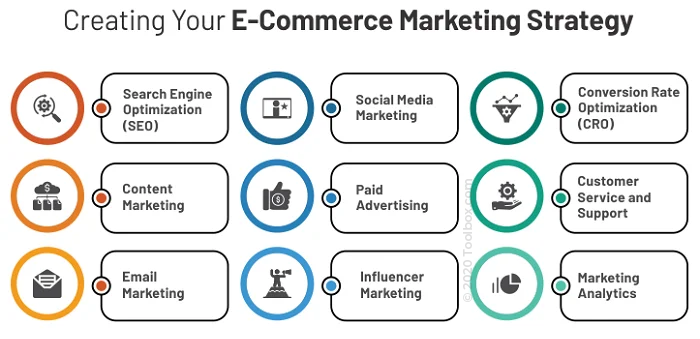
What is E-commerce Marketing?
E-commerce marketing refers to the strategies and techniques used by businesses to promote and sell their products or services online. It involves leveraging various digital channels and platforms to reach and engage with potential customers, drive traffic to e-commerce websites, and ultimately increase sales and revenue. With the rapid growth of the internet and advancements in technology, e-commerce marketing has become an essential component of any successful online business.
The Importance of E-commerce Marketing
In today’s digital age, e-commerce marketing is crucial for businesses looking to thrive in the competitive online marketplace. Here are two key reasons why e-commerce marketing is important:
1. Increased Visibility and Reach: E-commerce marketing allows businesses to expand their reach beyond traditional brick-and-mortar stores. By establishing an online presence, businesses can reach a global audience and target specific demographics with precision. This increased visibility can lead to higher brand awareness and more potential customers.
2. Improved Customer Engagement and Conversion: E-commerce marketing provides businesses with various tools and strategies to engage with their target audience and convert them into paying customers. Through tactics like search engine optimization (SEO), email marketing, social media advertising, and content marketing, businesses can create personalized and tailored experiences for their customers, resulting in higher conversion rates.
Effective E-commerce Marketing Strategies
To succeed in e-commerce marketing, businesses need to implement effective strategies. Here are two key strategies to consider:
1. Search Engine Optimization (SEO): SEO is the process of optimizing a website to rank higher in search engine results pages (SERPs). By incorporating relevant keywords, improving website speed and performance, and creating high-quality content, businesses can increase their organic visibility and attract more targeted traffic to their e-commerce website.
2. Social Media Advertising: Social media platforms offer a valuable opportunity for businesses to connect with their target audience and promote their products or services. By running targeted advertising campaigns on platforms like Facebook, Instagram, and Twitter, businesses can reach potential customers based on their demographics, interests, and online behavior.
The Benefits of E-commerce Marketing
Implementing effective e-commerce marketing strategies can bring several benefits to businesses. Here are two key benefits:
1. Increased Sales and Revenue: E-commerce marketing aims to drive traffic and conversions, ultimately leading to increased sales and revenue. By attracting the right audience, optimizing the user experience, and leveraging persuasive marketing techniques, businesses can maximize their online sales potential.
2. Enhanced Customer Relationships: E-commerce marketing allows businesses to build and nurture relationships with their customers. Through personalized email marketing campaigns, loyalty programs, and social media engagement, businesses can create a sense of brand loyalty and encourage repeat purchases.
Key Elements of a Successful E-commerce Marketing Campaign
A successful e-commerce marketing campaign requires careful planning and execution. Here are two key elements to consider:
1. Clear Branding and Messaging: Consistent branding and messaging across all marketing channels create a cohesive and memorable brand identity. This includes using consistent colors, fonts, and tone of voice, as well as clearly communicating the unique value proposition of the brand.
2. Seamless User Experience: A seamless user experience is essential for converting website visitors into customers. This includes optimizing website speed, ensuring mobile responsiveness, and providing intuitive navigation. Additionally, offering secure payment options and a hassle-free checkout process can instill trust and encourage conversions.
Top Tips for E-commerce Marketing Success
To maximize the effectiveness of e-commerce marketing efforts, businesses should keep the following tips in mind:
1. Understand the Target Audience: Conduct thorough market research to identify the target audience’s demographics, preferences, and pain points. This information will help tailor marketing messages and strategies to resonate with the intended audience.
2. Utilize Data Analytics: Leverage data analytics tools to gain insights into customer behavior, website performance, and the effectiveness of marketing campaigns. By analyzing this data, businesses can make data-driven decisions and optimize their marketing efforts for better results.
In conclusion, e-commerce marketing is a vital component of any successful online business. By implementing effective strategies, businesses can increase their online visibility, engage with their target audience, and drive sales and revenue. With the right approach and continuous adaptation to industry trends, businesses can thrive in the dynamic world of e-commerce marketing.
Key Takeaways: What is E-commerce Marketing?
- E-commerce marketing refers to the strategies and techniques used to promote and sell products or services online.
- It involves various activities such as search engine optimization (SEO), social media marketing, email marketing, and paid advertising.
- The goal of e-commerce marketing is to attract, engage, and convert potential customers into buyers.
- It requires understanding the target audience, creating compelling content, and utilizing effective digital marketing channels.
- Successful e-commerce marketing can lead to increased brand visibility, higher website traffic, and improved sales and revenue.
Frequently Asked Questions
Question 1: How does e-commerce marketing differ from traditional marketing?
E-commerce marketing refers to the strategies and techniques used to promote and sell products or services online. It differs from traditional marketing in several ways. Firstly, e-commerce marketing relies heavily on digital channels such as websites, search engines, social media, and email, whereas traditional marketing may include print ads, TV commercials, and direct mail.
Secondly, e-commerce marketing allows for more precise targeting and personalization. With the help of data analytics and tracking tools, businesses can gather insights about their customers’ preferences and behavior, enabling them to deliver personalized marketing messages and recommendations. Traditional marketing, on the other hand, often takes a more generalized approach, targeting broader audiences.
Question 2: What are the key components of e-commerce marketing?
E-commerce marketing encompasses various components that work together to drive traffic, generate leads, and convert sales. Some key components include:
1. Website optimization: Ensuring that your website is user-friendly, mobile responsive, and optimized for search engines.
2. Search engine optimization (SEO): Optimizing your website’s content and structure to improve its visibility on search engine results pages.
3. Social media marketing: Utilizing social media platforms to engage with your target audience, build brand awareness, and drive traffic to your website.
4. Email marketing: Building and nurturing a database of subscribers to send targeted email campaigns, such as promotional offers and newsletters.
5. Content marketing: Creating and sharing valuable and relevant content, such as blog posts, videos, and infographics, to attract and engage potential customers.
Question 3: How can e-commerce marketing help increase sales?
E-commerce marketing plays a crucial role in driving traffic to your website and converting visitors into customers. Here are some ways it can help increase sales:
1. Enhanced visibility: By implementing SEO techniques and utilizing digital advertising platforms, e-commerce marketing can improve your website’s visibility in search results and increase its chances of being discovered by potential customers.
2. Targeted advertising: With the help of data analytics, e-commerce marketing allows you to target specific demographics, interests, and behaviors, ensuring that your marketing efforts reach the right audience.
3. Personalization: E-commerce marketing enables you to deliver personalized experiences and recommendations based on customers’ preferences and previous interactions, increasing the likelihood of conversion.
4. Conversion optimization: Through techniques such as A/B testing, user experience improvements, and persuasive copywriting, e-commerce marketing helps optimize your website and sales funnel to maximize conversions.
Question 4: What are some effective e-commerce marketing strategies?
There are several effective e-commerce marketing strategies that businesses can implement to drive growth and increase sales:
1. Influencer marketing: Partnering with influential individuals in your industry or niche to promote your products or services can help expand your reach and build credibility.
2. Retargeting: By using cookies or pixel tracking, you can target ads to users who have previously visited your website, reminding them of the products they viewed and encouraging them to complete their purchase.
3. Social proof: Displaying customer reviews, testimonials, and ratings on your website can instill trust and confidence in potential buyers, increasing their likelihood of making a purchase.
4. Upselling and cross-selling: Offering related products or premium versions of the items customers are considering can help increase the average order value and overall sales.
Question 5: How can businesses measure the success of their e-commerce marketing efforts?
Measuring the success of e-commerce marketing efforts is crucial to understanding the return on investment and identifying areas for improvement. Here are some key metrics businesses can track:
1. Conversion rate: The percentage of website visitors who complete a desired action, such as making a purchase or filling out a contact form.
2. Average order value: The average amount spent by customers in a single transaction.
3. Customer acquisition cost: The cost incurred to acquire a new customer, including marketing expenses and sales efforts.
4. Return on ad spend (ROAS): The revenue generated from advertising campaigns divided by the cost of those campaigns.
By regularly monitoring and analyzing these metrics, businesses can make data-driven decisions and optimize their e-commerce marketing strategies for better results.
The Ultimate eCommerce Marketing Strategy Guide (Seriously)
Final Summary: Exploring the World of E-Commerce Marketing
As we delve into the realm of e-commerce marketing, it becomes clear that this dynamic field holds immense potential for businesses of all sizes. With the right strategies and tactics, companies can tap into a vast online market and effectively promote their products or services. E-commerce marketing encompasses a range of activities, from optimizing websites for search engines to leveraging social media platforms and creating compelling content. Through these efforts, businesses can enhance their online visibility, attract targeted traffic, and ultimately drive conversions.
One of the key aspects of e-commerce marketing is search engine optimization (SEO). By implementing SEO best practices, businesses can improve their website’s ranking in search engine results pages, making it more likely for users to discover their offerings. This involves conducting keyword research, optimizing on-page elements such as meta tags and headings, and building high-quality backlinks. Additionally, creating valuable and relevant content that resonates with the target audience is crucial. This can be achieved through blog posts, product descriptions, and engaging social media posts that showcase the unique selling points of the business.
Furthermore, social media marketing plays a pivotal role in e-commerce success. Platforms like Facebook, Instagram, and Twitter provide businesses with the opportunity to connect with their audience on a more personal level, build brand awareness, and drive traffic to their website. It’s essential to create captivating and shareable content that prompts user engagement and encourages them to take action. By utilizing various advertising options, such as sponsored posts and targeted ads, businesses can reach a wider audience and increase their chances of conversions.
In conclusion, e-commerce marketing is a multifaceted discipline that requires a strategic approach and a thorough understanding of the online landscape. By incorporating SEO techniques, creating compelling content, and harnessing the power of social media, businesses can unlock the full potential of e-commerce and achieve remarkable results. So, whether you’re a budding entrepreneur or an established brand, embrace the world of e-commerce marketing and seize the opportunities that await in the digital realm.