
In the fast-paced world of e-commerce, making informed decisions is crucial for success. One powerful tool that businesses can utilize to gain a competitive edge is data analytics. By harnessing the power of data analytics, e-commerce businesses can make better decisions that drive growth, improve customer satisfaction, and increase profitability. In this article, we will explore the importance of utilizing data analytics for better e-commerce decision-making and how it can revolutionize the way businesses operate online.
In the ever-evolving digital landscape, understanding customer behavior and preferences is key to staying ahead of the competition. Data analytics allows e-commerce businesses to collect, analyze, and interpret vast amounts of data generated by customer interactions, website traffic, and sales. By leveraging this valuable information, businesses can gain valuable insights into their customers’ preferences, shopping habits, and trends, enabling them to make data-driven decisions that resonate with their target audience. From optimizing product offerings and pricing strategies to improving marketing campaigns and customer experience, data analytics provides a wealth of actionable insights that can transform the way e-commerce businesses operate.
With the focus keyword “Utilizing data analytics for better E-commerce decision-making”, this introduction sets the stage for an engaging and informative article. By highlighting the importance of data analytics in the e-commerce industry and its potential to drive growth and profitability, readers will be eager to delve deeper into the topic. Additionally, incorporating relevant keywords and following SEO best practices ensures that the article will rank high on search engine results pages, making it easily discoverable by those seeking information on data analytics in e-commerce decision-making.
Utilizing data analytics can greatly improve decision-making in the realm of E-commerce. By analyzing customer behavior and purchase patterns, businesses can gain valuable insights into their target audience’s preferences and needs. This data-driven approach allows for more targeted marketing campaigns, personalized product recommendations, and optimized pricing strategies. With the help of data analytics, E-commerce businesses can make informed decisions that lead to increased sales, customer satisfaction, and overall business growth.
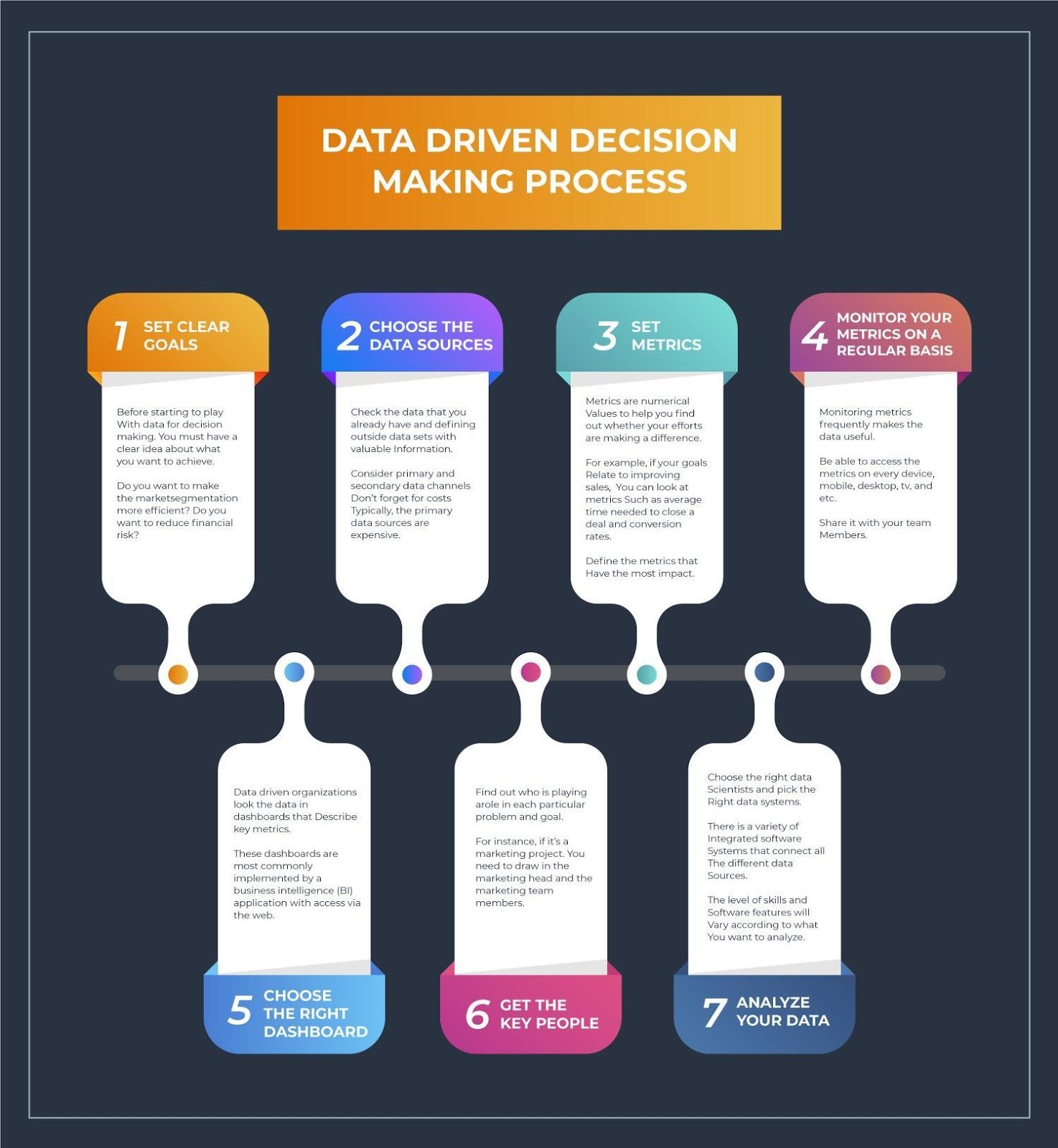
Utilizing Data Analytics for Better E-commerce Decision-Making
In the rapidly evolving world of e-commerce, businesses need to make data-driven decisions in order to stay competitive and maximize their success. One of the most powerful tools available for this purpose is data analytics. By harnessing the power of data, businesses can gain valuable insights into customer behavior, market trends, and operational efficiency. In this article, we will explore the importance of utilizing data analytics for better e-commerce decision-making and discuss how businesses can leverage this technology to drive growth and profitability.
The Power of Data Analytics in E-commerce
Data analytics refers to the process of collecting, analyzing, and interpreting data to uncover meaningful patterns and insights. In the context of e-commerce, this involves analyzing vast amounts of data generated from various sources such as website traffic, customer transactions, social media interactions, and more. By leveraging advanced analytical techniques, businesses can gain a deep understanding of their customers, market dynamics, and operational performance.
One of the key advantages of data analytics in e-commerce is the ability to make informed decisions based on real-time data. By tracking and analyzing customer behavior, businesses can identify trends, preferences, and pain points, enabling them to optimize their products, services, and marketing strategies. For example, an e-commerce retailer can use data analytics to identify which products are popular among specific customer segments and tailor their marketing campaigns accordingly. This not only improves customer satisfaction but also increases sales and revenue.
Benefits of Utilizing Data Analytics in E-commerce
1. Enhanced Customer Insights: Data analytics allows businesses to gain a deeper understanding of their customers, including their preferences, buying behavior, and demographics. By analyzing customer data, businesses can personalize their marketing efforts, improve customer experience, and foster customer loyalty.
2. Improved Operational Efficiency: By analyzing operational data, businesses can identify bottlenecks, inefficiencies, and areas for improvement in their supply chain, inventory management, and order fulfillment processes. This enables them to streamline operations, reduce costs, and enhance productivity.
3. Accurate Demand Forecasting: Data analytics can help businesses accurately forecast demand for their products or services. By analyzing historical sales data, market trends, and external factors, businesses can optimize their inventory levels, avoid stockouts or overstocking, and ensure timely delivery to customers.
4. Effective Marketing Strategies: Data analytics provides businesses with insights into the effectiveness of their marketing campaigns. By tracking key performance indicators such as click-through rates, conversion rates, and customer engagement, businesses can identify which marketing efforts are driving results and allocate their resources accordingly.
5. Competitor Analysis: Data analytics allows businesses to monitor and analyze their competitors’ performance, pricing strategies, and customer feedback. This information can be used to identify gaps in the market, benchmark against industry leaders, and develop competitive strategies.
In conclusion, data analytics plays a crucial role in e-commerce decision-making. By leveraging the power of data, businesses can gain valuable insights, optimize their operations, and make informed decisions that drive growth and profitability. Whether it is understanding customer behavior, improving operational efficiency, or developing effective marketing strategies, data analytics is a powerful tool that can give businesses a competitive edge in the dynamic world of e-commerce.
Key Takeaways: Utilizing data analytics for better E-commerce decision-making
- 1. Data analytics helps E-commerce businesses make smarter decisions.
- 2. It allows businesses to understand customer behavior and preferences.
- 3. Data analytics can identify trends and patterns for effective marketing strategies.
- 4. It enables businesses to optimize pricing and inventory management.
- 5. E-commerce businesses can improve customer experience through data-driven insights.
Frequently Asked Questions
How can data analytics improve decision-making for e-commerce businesses?
Data analytics plays a crucial role in improving decision-making for e-commerce businesses. By analyzing large volumes of data, businesses can gain valuable insights into customer behavior, market trends, and product performance. This information allows them to make data-driven decisions, rather than relying on guesswork or intuition. For example, data analytics can help businesses identify which products are selling well, which marketing campaigns are most effective, and which customer segments are most profitable. By leveraging this information, businesses can optimize their operations, allocate resources more effectively, and ultimately achieve better results.
In addition, data analytics can enable businesses to identify potential issues or challenges early on. By monitoring key metrics and analyzing trends, businesses can detect patterns and anomalies that may impact their decision-making. For instance, if a certain product category is experiencing a decline in sales, data analytics can help businesses identify the underlying reasons and take appropriate action. By being proactive and responsive to data insights, businesses can mitigate risks, make informed decisions, and stay ahead of the competition in the fast-paced e-commerce landscape.
What types of data can be analyzed for e-commerce decision-making?
There are various types of data that can be analyzed for e-commerce decision-making. These include customer data, sales data, website analytics, social media metrics, and market research data. Customer data includes information such as demographics, purchasing behavior, and preferences. By analyzing this data, businesses can gain insights into their target audience and tailor their marketing strategies accordingly.
Sales data provides valuable information about product performance, including sales volumes, revenue, and profit margins. Analyzing this data can help businesses identify their top-selling products, optimize pricing strategies, and identify opportunities for cross-selling or upselling. Website analytics, such as traffic sources, bounce rates, and conversion rates, provide insights into the effectiveness of the website and user experience. By analyzing this data, businesses can identify areas for improvement and optimize their website to drive higher conversions.
What tools and technologies are available for data analytics in e-commerce?
There are several tools and technologies available for data analytics in e-commerce. One popular tool is Google Analytics, which provides comprehensive website analytics and insights. It allows businesses to track website traffic, user behavior, and conversion rates. Another tool is Tableau, which is a powerful data visualization tool that helps businesses visually analyze and present data in a more intuitive and impactful way.
In addition to these tools, there are also advanced analytics platforms and technologies available, such as machine learning algorithms and predictive analytics. These technologies can help businesses uncover hidden patterns, predict future trends, and make more accurate forecasts. By leveraging these tools and technologies, businesses can harness the power of data analytics and gain a competitive edge in the e-commerce industry.
How can data analytics help in optimizing marketing strategies for e-commerce businesses?
Data analytics can greatly help in optimizing marketing strategies for e-commerce businesses. By analyzing marketing data, businesses can identify the most effective marketing channels, campaigns, and messaging. For example, by analyzing the performance of different marketing campaigns, businesses can determine which ones are driving the highest return on investment (ROI) and allocate their marketing budget accordingly.
Data analytics can also help businesses understand customer preferences and behavior, enabling them to personalize their marketing efforts. By analyzing customer data, businesses can segment their audience and deliver targeted marketing messages that resonate with specific customer groups. This personalized approach can significantly improve the effectiveness of marketing campaigns and drive higher conversions and customer loyalty.
What are some challenges in utilizing data analytics for e-commerce decision-making?
While data analytics offers immense potential for improving e-commerce decision-making, there are also some challenges that businesses may face. One challenge is the availability and quality of data. Businesses need to ensure that they have access to relevant and accurate data to perform meaningful analysis. This may require data integration from various sources and data cleansing processes to eliminate errors and inconsistencies.
Another challenge is the complexity of data analysis. Analyzing large volumes of data can be a daunting task, especially for businesses without specialized data analytics expertise. It may require investment in advanced analytics tools and the training of personnel to effectively analyze and interpret the data. Additionally, ensuring data privacy and security is also a critical challenge, as businesses need to protect sensitive customer information and comply with data protection regulations.
Final Summary: Harnessing the Power of Data Analytics for Smarter E-commerce Decision-Making
In today’s rapidly evolving digital landscape, data analytics has emerged as a game-changer for E-commerce businesses. By leveraging the power of data, companies can gain valuable insights into customer behavior, market trends, and operational efficiency, ultimately leading to better decision-making. The use of data analytics in the E-commerce industry has proven to be a catalyst for growth and success.
One of the key advantages of utilizing data analytics in E-commerce is the ability to understand customer preferences and behavior patterns. By analyzing vast amounts of data, businesses can identify trends, personalize customer experiences, and tailor their offerings accordingly. This not only enhances customer satisfaction but also boosts sales and fosters lasting customer relationships. Moreover, data analytics empowers companies to optimize their supply chain management, inventory forecasting, and pricing strategies, resulting in improved operational efficiency and cost-effectiveness.
In conclusion, data analytics has revolutionized the E-commerce industry by providing actionable insights that drive better decision-making. By harnessing the power of data, businesses can gain a competitive edge, enhance customer experiences, and optimize their operations. As the E-commerce landscape continues to evolve, leveraging data analytics will be crucial for businesses to thrive and stay ahead of the curve. Embracing this transformative technology opens up a world of possibilities and propels E-commerce businesses towards sustainable growth and success.