
So, you’ve just wrapped up a fantastic webinar marketing campaign, and now you’re wondering, “How do I measure its success?” Well, my friend, you’ve come to the right place! In this article, we’ll dive into the nitty-gritty of measuring the success of a webinar marketing campaign. Trust me, by the time you’re done reading, you’ll be armed with all the knowledge you need to assess the impact of your webinar and make data-driven decisions for future campaigns. So, let’s get started!
When it comes to measuring the success of a webinar marketing campaign, there are several key metrics you need to keep an eye on. From the number of attendees to engagement levels and conversion rates, these metrics provide valuable insights into the effectiveness of your campaign. But hey, don’t worry if you’re not a data guru – we’ll break it down in simple terms and give you practical tips on how to analyze and interpret these metrics. So, grab a cup of coffee, get comfy, and let’s unravel the secrets of measuring webinar marketing success together!
How to Measure the Success of a Webinar Marketing Campaign?
Step-by-Step Tutorial:
- Define your goals and key performance indicators (KPIs) for the webinar campaign.
- Track the number of registrations to measure initial interest.
- Monitor attendance rates to gauge audience engagement.
- Assess viewer feedback and post-webinar surveys to understand satisfaction levels.
- Analyze conversion rates by tracking the number of leads generated or sales made.
- Calculate return on investment (ROI) by comparing the campaign’s cost to the revenue generated.
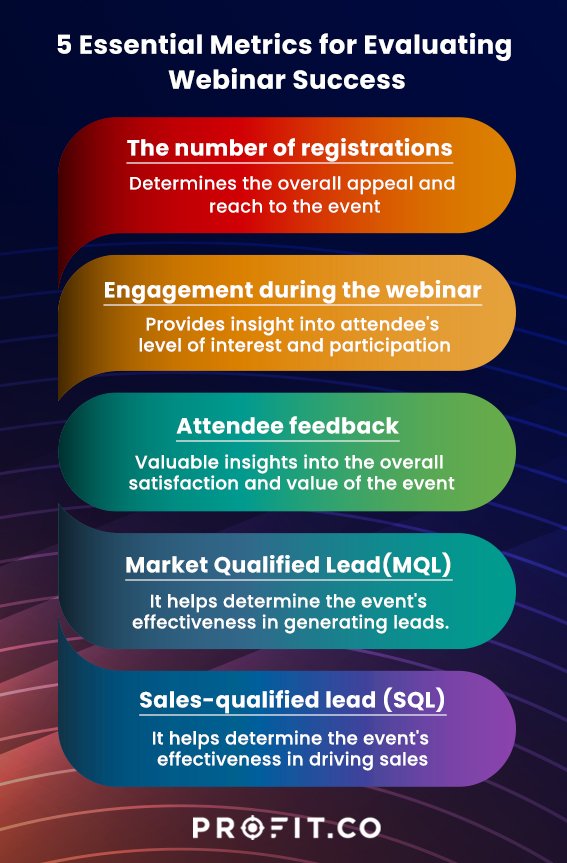
How to Measure the Success of a Webinar Marketing Campaign?
Webinars have become an invaluable tool for marketers to engage with their audience and generate leads. However, hosting a webinar is just the beginning. To truly assess the impact and effectiveness of your webinar marketing campaign, you need to measure its success. By tracking key metrics and analyzing the data, you can gain valuable insights into the performance of your webinars and make informed decisions for future campaigns. In this article, we will explore various methods and metrics that can help you measure the success of your webinar marketing campaign.
1. Registration Rate
The first step in measuring the success of your webinar marketing campaign is to track the registration rate. This metric indicates the level of interest and engagement from your target audience. A high registration rate suggests that your webinar topic and promotional efforts resonated with your audience, while a low registration rate may indicate a need to reevaluate your messaging or target audience.
To improve your registration rate, consider optimizing your webinar landing page, using compelling copy and visuals, and promoting your webinar through various channels such as email marketing, social media, and partnerships. Additionally, offering incentives like exclusive content or early access can entice more registrations.
1.1 Benefits of Tracking Registration Rate
Tracking the registration rate allows you to assess the effectiveness of your promotional efforts and adjust your strategy accordingly. By identifying trends or patterns in registration rates, you can gain insights into the preferences and interests of your target audience. This information can help you tailor your future webinar topics and marketing campaigns for better results.
1.2 Tips for Improving Registration Rate
To improve your registration rate, optimize your webinar landing page by using clear and concise copy, compelling visuals, and an easy-to-use registration form. Make sure to highlight the value and benefits attendees will gain from participating in your webinar. Additionally, consider leveraging social proof by displaying testimonials or success stories from previous webinar participants. Promote your webinar through various channels, such as email marketing, social media, and industry partnerships. Don’t forget to use compelling and engaging copy in your promotional materials to capture the attention of your target audience.
2. Attendance Rate
Once you have successfully attracted registrants, the next metric to measure is the attendance rate. This metric indicates the percentage of registered attendees who actually participated in the live webinar. A high attendance rate suggests that your webinar content and delivery were engaging and valuable to your audience.
To improve your attendance rate, consider sending reminder emails leading up to the webinar, hosting the webinar at a convenient time for your target audience, and providing a recording or on-demand access for those who couldn’t attend live. Additionally, make sure to deliver on the promises made in your promotional materials to maintain attendee interest and engagement.
2.1 Benefits of Tracking Attendance Rate
Tracking the attendance rate provides insights into the level of interest and engagement from your audience. By analyzing attendance data, you can identify any potential barriers or challenges that may have prevented registrants from attending the live webinar. This information can help you optimize future webinar scheduling and delivery to maximize attendance rates.
2.2 Tips for Improving Attendance Rate
To improve your attendance rate, send reminder emails to registered attendees a few days before the webinar, as well as a few hours before the start time. Consider hosting the webinar at a time that is convenient for your target audience, taking into account different time zones if applicable. Provide a recording or on-demand access for those who couldn’t attend live, allowing them to access the content at their convenience. During the live webinar, deliver on the promises made in your promotional materials by providing valuable and engaging content.
3. Engagement Metrics
To truly measure the success of your webinar marketing campaign, it is crucial to analyze engagement metrics. These metrics provide insights into how your audience interacted with the webinar content and whether they found it valuable and engaging. Some key engagement metrics to track include:
– Average viewing duration: This metric indicates how long attendees stayed engaged with your webinar. A longer viewing duration suggests that your content was compelling and held attendees’ attention.
– Poll and survey responses: By incorporating polls and surveys throughout your webinar, you can gather valuable feedback and insights from your audience. Analyzing the responses can help you gauge the level of audience engagement and assess the effectiveness of your content.
– Q&A participation: Tracking the number of questions asked and answered during the webinar can provide insights into the level of audience interaction and engagement. A high level of participation suggests that your content sparked interest and encouraged audience involvement.
3.1 Benefits of Analyzing Engagement Metrics
Analyzing engagement metrics allows you to assess the effectiveness of your webinar content and identify areas for improvement. By understanding how your audience interacted with the content, you can make informed decisions on how to optimize future webinars to increase engagement and create a more valuable experience for attendees.
3.2 Tips for Increasing Audience Engagement
To increase audience engagement during your webinars, consider incorporating interactive elements such as polls, surveys, and live Q&A sessions. Encourage attendees to ask questions and participate in discussions. Use visuals, storytelling, and real-life examples to make your content more engaging and relatable. Additionally, provide actionable takeaways and resources that attendees can apply to their own situations.
4. Conversion Rate
Ultimately, the success of your webinar marketing campaign can be measured by the conversion rate. This metric indicates the percentage of webinar attendees who took a desired action, such as making a purchase, signing up for a free trial, or subscribing to a newsletter. A high conversion rate suggests that your webinar effectively conveyed the value of your offering and motivated attendees to take action.
To improve your conversion rate, make sure to clearly communicate the benefits and value of your offering throughout the webinar. Provide a compelling call-to-action and make it easy for attendees to take the desired action. Follow up with attendees after the webinar to nurture the relationship and provide additional information or support.
4.1 Benefits of Tracking Conversion Rate
Tracking the conversion rate allows you to assess the direct impact of your webinar on your business goals. By analyzing conversion data, you can identify any gaps or areas for improvement in your webinar content or call-to-action. This information can help you refine your messaging and optimize future webinars for better conversion rates.
4.2 Tips for Improving Conversion Rate
To improve your conversion rate, clearly communicate the benefits and value of your offering throughout the webinar. Use compelling visuals, testimonials, and case studies to reinforce the value proposition. Provide a clear and compelling call-to-action, making it easy for attendees to take the desired action. Follow up with attendees after the webinar to nurture the relationship and provide additional information or support that can help facilitate the conversion process.
Additional Considerations for Measuring Webinar Success
In addition to the metrics mentioned above, there are a few more considerations to keep in mind when measuring the success of your webinar marketing campaign:
– Cost per lead: Calculate the cost per lead generated through your webinar campaign by dividing the total cost of the campaign by the number of leads generated. This metric can help you assess the cost-effectiveness of your webinar marketing efforts.
– Social media engagement: Monitor social media engagement related to your webinar, such as likes, shares, comments, and mentions. This can provide insights into the reach and impact of your webinar beyond the live event.
– Feedback and testimonials: Collect feedback from webinar attendees through surveys or follow-up emails. Testimonials and positive feedback can serve as valuable social proof and help you build credibility and trust with your audience.
In conclusion, measuring the success of a webinar marketing campaign requires tracking various metrics related to registration, attendance, engagement, and conversion. By analyzing these metrics and making data-driven decisions, you can optimize your future webinar marketing efforts for better results. Remember to continuously monitor and assess the performance of your webinars to stay ahead of the competition and deliver valuable experiences to your audience.
Key Takeaways – How to Measure the Success of a Webinar Marketing Campaign?
- Track the number of registrations to gauge initial interest.
- Measure attendance rates to assess audience engagement.
- Evaluate viewer feedback and survey responses for insights on content quality.
- Analyze conversion rates to determine the effectiveness of your call-to-action.
- Monitor social media engagement and shares to measure overall reach and impact.
Frequently Asked Questions
What metrics should I track to measure the success of a webinar marketing campaign?
When measuring the success of a webinar marketing campaign, there are several key metrics you should track:
1. Attendance Rate: This metric measures the number of attendees compared to the number of registrants. A high attendance rate indicates strong interest and engagement from your target audience.
2. Engagement Rate: This metric measures the level of interaction and participation during the webinar, such as chat messages, questions asked, and polls answered. A high engagement rate indicates that your audience found the content valuable and were actively involved.
3. Conversion Rate: This metric measures the percentage of webinar attendees who took a desired action, such as signing up for a newsletter, downloading a resource, or making a purchase. A high conversion rate indicates that your webinar effectively motivated and influenced your audience.
4. Feedback and Satisfaction: Gathering feedback from attendees through surveys or post-webinar evaluations is crucial to understanding their level of satisfaction. Positive feedback and high satisfaction scores indicate that your webinar successfully delivered value to your audience.
5. Return on Investment (ROI): Measuring the financial impact of your webinar marketing campaign is essential. Calculate the revenue generated from webinar-related conversions and compare it to the costs associated with hosting the webinar. A positive ROI demonstrates the effectiveness of your campaign.
How can I track the attendance rate of my webinar marketing campaign?
Tracking the attendance rate of your webinar marketing campaign can be done by:
1. Utilizing Registration Metrics: Use your webinar platform or marketing automation tools to track the number of registrants for your webinar. Compare this number to the actual attendance to calculate the attendance rate.
2. Sending Reminder Emails: Send reminder emails to registered attendees a day or two before the webinar. By monitoring the open rate and click-through rate of these emails, you can gauge the level of interest and likelihood of attendance.
3. Using Unique Join Links: Provide each registrant with a unique join link that is tied to their registration. By tracking the number of unique join links accessed during the webinar, you can determine the actual attendance rate.
4. Monitoring Live Attendance: During the webinar, use your webinar platform’s analytics to track the number of participants present in real-time. This will give you an accurate view of the attendance rate as the webinar progresses.
How can I measure the engagement rate of my webinar marketing campaign?
Measuring the engagement rate of your webinar marketing campaign involves analyzing various aspects of participant interaction. Here’s how you can do it:
1. Chat Messages: Monitor the number of chat messages exchanged during the webinar. A high volume of chat messages indicates active engagement and interest from attendees.
2. Q&A Participation: Track the number of questions asked by participants and the responses provided. A higher number of questions and discussions suggest a higher level of engagement.
3. Polls and Surveys: Use interactive polls and surveys during the webinar to gather feedback and measure participant engagement. Analyze the response rates and the nature of responses to gauge the level of involvement.
4. Content Consumption: Assess the average duration of attendees’ viewing time. Longer viewing times indicate higher engagement levels, as participants are actively consuming the content.
5. Social Media Interactions: Monitor social media platforms for mentions, shares, and comments related to your webinar. Positive engagement on social media indicates successful audience involvement.
How do I calculate the conversion rate of my webinar marketing campaign?
To calculate the conversion rate of your webinar marketing campaign, follow these steps:
1. Determine the Conversion Goal: Decide on the specific action you want attendees to take after the webinar, such as signing up for a newsletter or making a purchase.
2. Track Conversions: Use tracking tools, such as conversion pixels or Google Analytics, to monitor the number of webinar attendees who completed the desired action within a specified timeframe.
3. Calculate Conversion Rate: Divide the number of conversions by the total number of webinar attendees and multiply by 100 to get the conversion rate percentage.
4. Analyze and Optimize: Regularly analyze the conversion rate to identify areas for improvement. Test different strategies, such as changing your call-to-action or adjusting the webinar content, to optimize the conversion rate over time.
Why is gathering feedback important to measure the success of a webinar marketing campaign?
Gathering feedback is crucial to measure the success of a webinar marketing campaign because:
1. Insight into Attendee Satisfaction: Feedback allows you to understand how well the webinar met attendees’ expectations and whether they found the content valuable. Positive feedback indicates a successful webinar that resonated with the audience.
2. Improvement Opportunities: Feedback provides valuable insights into areas that can be improved for future webinars. Identifying strengths and weaknesses allows you to refine your approach and deliver even better experiences to your audience.
3. Testimonials and Social Proof: Positive feedback can be used as testimonials to promote future webinars. Sharing success stories and testimonials from satisfied participants helps build credibility and attract a larger audience.
4. Relationship Building: By actively seeking feedback, you demonstrate that you value your audience’s opinions and are committed to continuous improvement. This fosters a positive relationship with your attendees and encourages their ongoing engagement.
Measure the success of marketing campaigns | Google Digital Marketing & E-commerce Certificate
Final Summary: How to Measure the Success of a Webinar Marketing Campaign?
Now that you’ve learned about the various metrics and strategies to measure the success of a webinar marketing campaign, it’s time to put your newfound knowledge into action. By implementing these techniques, you can effectively gauge the impact of your webinars and make data-driven decisions to improve your future campaigns.
Remember, the key to measuring success lies in setting clear goals and aligning them with relevant metrics. Whether it’s tracking registrations, attendance rates, engagement levels, or conversion rates, each metric provides valuable insights into the effectiveness of your webinars. Don’t forget to leverage analytics tools and platforms to streamline the process and gain a comprehensive understanding of your campaign’s performance.
In addition to quantitative data, don’t underestimate the power of qualitative feedback. Surveys, testimonials, and feedback forms can provide valuable insights into the overall experience and satisfaction of your attendees. By combining both quantitative and qualitative data, you can paint a holistic picture of your webinar’s success and identify areas for improvement.
So, as you embark on your webinar marketing journey, remember to keep measuring, analyzing, and refining your strategies. With a data-driven approach, you can optimize your campaigns, reach a wider audience, and achieve even greater success in your future webinar endeavors. Happy measuring!