
In today’s digital age, influencer marketing has become a powerful tool for businesses to reach their target audience. With the rise of social media platforms, influencers have gained immense popularity and credibility. However, with this popularity comes the risk of influencer marketing scams. In this article, we will explore how to avoid falling victim to these scams and ensure that your influencer marketing campaigns are successful and genuine.
When it comes to influencer marketing scams, knowledge is power. By staying informed and being aware of the red flags, you can protect yourself and your brand from potential fraud. In this article, we will discuss the common tactics used by scammers and provide you with practical tips on how to identify and avoid them. So, if you’re ready to take your influencer marketing to the next level while keeping your brand safe and secure, let’s dive in!
How to Avoid Influencer Marketing Scams:
- Do thorough research on the influencer: Check their credibility, engagement rates, and previous collaborations.
- Verify their audience: Look for genuine comments and interactions on their posts to ensure real followers.
- Check for transparency: Ensure the influencer discloses sponsored content and partnerships.
- Beware of unrealistic promises: If an influencer guarantees extraordinary results, it could be a red flag.
- Use reputable influencer platforms: Utilize trusted platforms that provide verified influencers.
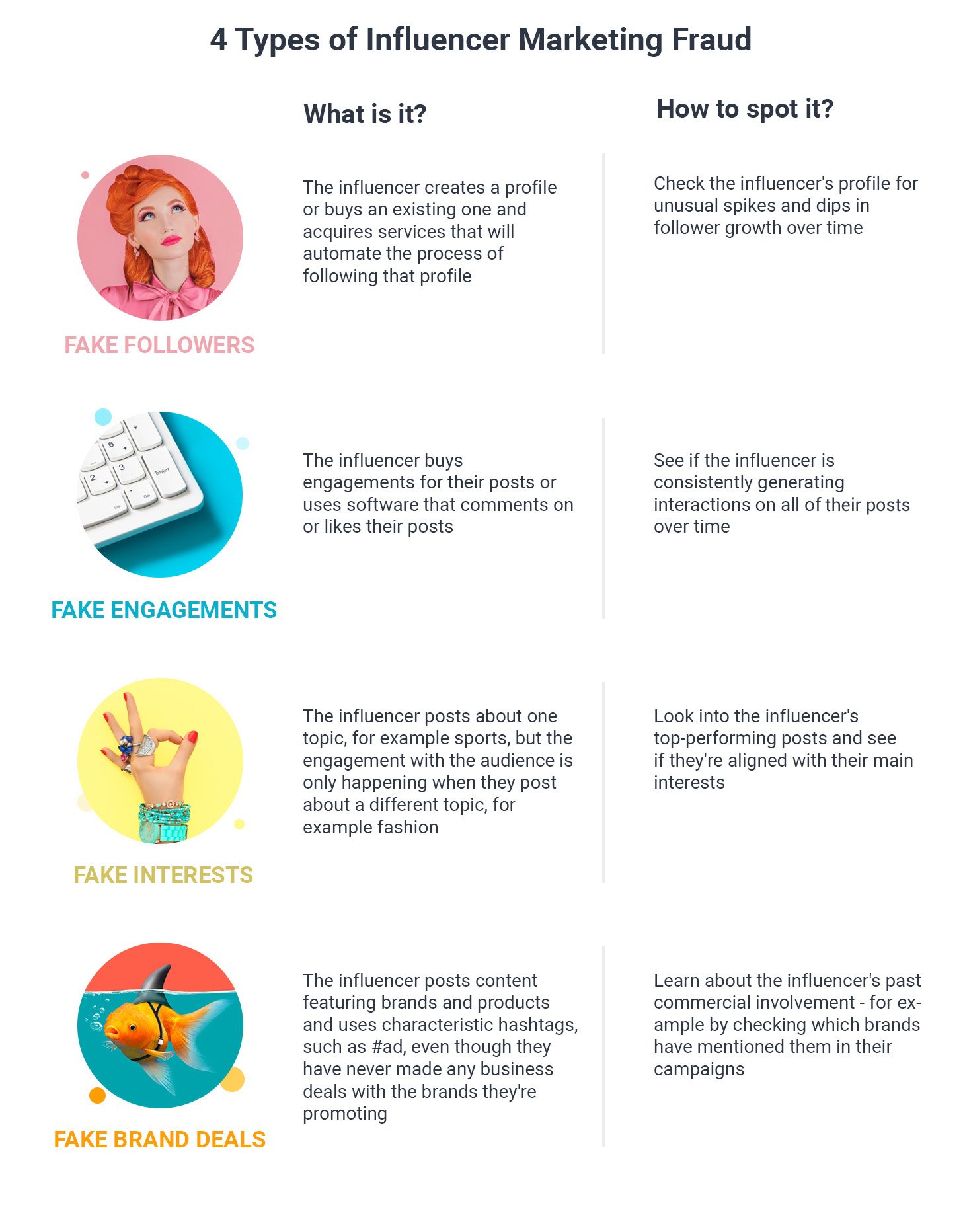
**How to Avoid Influencer Marketing Scams?**
In the age of social media, influencer marketing has become a powerful tool for brands to reach their target audience. However, with its rise in popularity, there has also been an increase in influencer marketing scams. These scams can range from fake influencers with inflated follower counts to fraudulent partnerships that do not deliver the promised results. As a brand or an aspiring influencer, it is crucial to be aware of these scams and take steps to avoid falling victim to them.
**1. Research and Verify Influencers**
Before partnering with an influencer, it is essential to thoroughly research and verify their credibility. Look beyond the number of followers and examine the engagement rate on their posts. Genuine influencers have an active and engaged audience that interacts with their content. Use tools like Social Blade or HypeAuditor to analyze an influencer’s follower growth and engagement metrics. Additionally, read their comments and reviews to gauge the authenticity of their followers.
**2. Check for Consistency and Quality**
Authentic influencers consistently produce high-quality content that aligns with their niche. Look for influencers who have a consistent aesthetic, voice, and message across their platforms. Genuine influencers put effort into creating valuable and engaging content for their audience. If you come across an influencer who has a sudden change in style or content, it could be a red flag indicating fraudulent activity.
**3. Look for Genuine Collaborations**
Legitimate influencers often collaborate with well-known brands and have genuine partnerships. Before partnering with an influencer, research their previous collaborations and check if they have worked with reputable brands in the past. Genuine influencers are selective about the brands they collaborate with and maintain long-term relationships based on trust and mutual benefit.
**4. Beware of Pay-for-Follower Scams**
One common influencer marketing scam is the practice of buying followers to inflate one’s social media presence. These fake followers do not engage with the influencer’s content and are only there to create an illusion of popularity. Brands should be cautious when choosing an influencer solely based on their follower count. Look for influencers who have a high engagement rate relative to their follower count, as this indicates genuine influence.
**5. Be Wary of Suspicious Offers**
Scammers often approach brands or influencers with too-good-to-be-true offers. They may promise exponential growth in followers, unrealistic engagement rates, or guaranteed sales. Remember that genuine influencer marketing takes time and effort to yield results. If an offer seems too good to be true, it likely is. Trust your instincts and conduct thorough research before entering into any partnerships.
**6. Utilize Influencer Platforms**
Influencer platforms provide a safer environment for brands and influencers to connect and collaborate. These platforms often have strict vetting processes, ensuring that only genuine influencers are accepted onto their platforms. By utilizing these platforms, brands can have peace of mind knowing that they are working with credible influencers who have been verified by the platform.
**7. Have Clear Expectations and Contracts**
To avoid any misunderstandings or scams, it is essential to have clear expectations and contracts in place when working with influencers. Clearly outline the deliverables, timelines, and payment terms in a written agreement. This protects both parties and ensures that the agreed-upon terms are met. Additionally, consider including clauses that protect against fraudulent practices, such as the use of fake followers or engagement.
**8. Stay Updated on Industry Trends and Best Practices**
The influencer marketing landscape is constantly evolving, and scammers are becoming more sophisticated in their approach. It is crucial to stay updated on industry trends and best practices to identify and avoid influencer marketing scams. Follow reputable industry blogs and attend webinars or conferences to gain insights from industry experts. By staying informed, you can make informed decisions and protect yourself from scams.
In conclusion, influencer marketing scams are prevalent in the digital landscape, but by following these tips, brands and influencers can protect themselves and make informed decisions. Remember to research and verify influencers, look for consistency and quality, beware of pay-for-follower scams, be wary of suspicious offers, utilize influencer platforms, have clear expectations and contracts, and stay updated on industry trends. By taking these precautions, you can navigate the world of influencer marketing safely and effectively.
Key Takeaways: How to Avoid Influencer Marketing Scams?
– Be cautious of influencers promising quick and easy results.
– Do thorough research on the influencer’s background and credibility.
– Look for genuine engagement and interaction on the influencer’s content.
– Pay attention to the quality of sponsored posts and ensure they align with the influencer’s brand.
– Always use secure payment methods and avoid sharing sensitive information.
Frequently Asked Questions
Question 1: What are some red flags to look out for in influencer marketing scams?
When it comes to avoiding influencer marketing scams, it’s important to be aware of certain red flags. One of the key indicators is when an influencer promises guaranteed results or a high return on investment without any solid evidence or case studies to back it up. Another red flag is when an influencer asks for payment upfront, especially if they are not willing to sign a contract or provide any tangible deliverables.
Additionally, be cautious of influencers who have a large number of followers but low engagement rates. This could indicate the use of fake followers or engagement bots. Lastly, if an influencer is not transparent about their partnerships or fails to disclose sponsored content, it’s best to steer clear as this goes against ethical practices in influencer marketing.
Question 2: How can I research an influencer before collaborating with them?
Before entering into a collaboration with an influencer, it’s crucial to conduct thorough research to ensure their legitimacy. Start by examining their social media profiles, looking for any inconsistencies or discrepancies in their content. Check their engagement rates and the quality of their interactions with followers.
Furthermore, take the time to read reviews and testimonials from brands or businesses that have previously worked with the influencer. This will give you valuable insights into their professionalism, work ethic, and the results they deliver. It’s also advisable to reach out to other industry professionals or peers for recommendations or feedback on the influencer in question.
Question 3: What steps can I take to protect myself from influencer marketing scams?
To protect yourself from influencer marketing scams, there are several steps you can take. Firstly, always have a clear contract in place that outlines expectations, deliverables, and payment terms. Ensure that both parties sign the contract to avoid any misunderstandings or potential scams.
Secondly, consider working with reputable influencer marketing platforms or agencies that have a vetting process in place for influencers. These platforms often have safeguards to protect brands from fraudulent activities and scams. Additionally, make sure to verify an influencer’s credentials, such as their follower count and engagement rates, through independent analytics tools.
Question 4: How can I spot fake influencers or bots in influencer marketing?
Spotting fake influencers or bots in influencer marketing can be challenging but not impossible. One way to identify fake influencers is by closely examining their follower count and engagement rates. If an influencer has a large number of followers but low engagement rates, it could indicate the use of fake followers or bots.
Another method is to analyze the quality of their followers. Look for signs of fake profiles, such as generic or incomplete bios, lack of posts, or a high number of followers with no engagement on their own content. It’s also helpful to use social media analytics tools that can provide insights into an influencer’s audience demographics and authenticity.
Question 5: What should I do if I suspect an influencer marketing scam?
If you suspect an influencer marketing scam, it’s essential to take prompt action to protect your brand and investment. Firstly, gather all relevant evidence, such as screenshots of conversations, emails, or any suspicious behavior. Keep a record of any payments made or contracts signed.
Next, reach out to the influencer and express your concerns. Give them an opportunity to address the issue and rectify any misunderstandings. If they fail to provide a satisfactory response or resolution, consider terminating the collaboration and documenting your experience to warn others in the industry. You may also report the scam to relevant authorities or industry watchdogs to prevent others from falling victim to the same scam.
Influencer Marketing Scams & How to Avoid Them 🤑 Russia’s ‘Oculus’ to use AI to scam sites 🤖
Final Thoughts: How to Safeguard Yourself from Influencer Marketing Scams
So, there you have it! By now, you should have a solid understanding of how to protect yourself from falling victim to influencer marketing scams. It’s crucial to remember that not all influencers are trustworthy, and it’s essential to exercise caution when engaging in influencer partnerships. To summarize, here are a few key takeaways to keep in mind:
Firstly, always do your due diligence before collaborating with an influencer. Research their online presence, look for authentic engagement, and verify their credibility. Don’t be swayed solely by follower counts or flashy content.
Secondly, establish clear expectations and goals before entering into any influencer marketing arrangement. A well-defined contract or agreement will protect both parties and ensure that everyone is on the same page.
Lastly, trust your instincts. If something seems too good to be true, it probably is. If an influencer makes promises that seem unrealistic or asks for excessive compensation upfront, proceed with caution or consider looking for another influencer to work with.
Remember, influencer marketing can be a powerful tool for your business, but only when done right. By following these guidelines and being mindful of potential red flags, you can navigate the world of influencer marketing and avoid scams that could harm your brand and budget. Stay vigilant, stay informed, and keep building genuine and fruitful partnerships in the exciting world of influencer marketing!