
When it comes to online marketing, analytics plays a crucial role in understanding the effectiveness of your strategies and campaigns. So, what exactly is the role of analytics in online marketing? Well, let me break it down for you in a way that’s easy to understand.
Analytics, in the context of online marketing, refers to the measurement and analysis of data related to your marketing efforts. It involves tracking various metrics such as website traffic, conversion rates, click-through rates, and customer engagement to gain valuable insights into the performance of your marketing activities. By analyzing this data, you can make data-driven decisions and optimize your marketing strategies for better results. In other words, analytics helps you understand what’s working and what’s not, so you can make informed decisions to improve your online marketing efforts and drive success.
Now that we have a basic understanding of what analytics in online marketing entails, let’s dive deeper into its role and explore how it can benefit your business. So, grab a cup of coffee and get ready to unravel the mysteries of analytics in the world of online marketing!
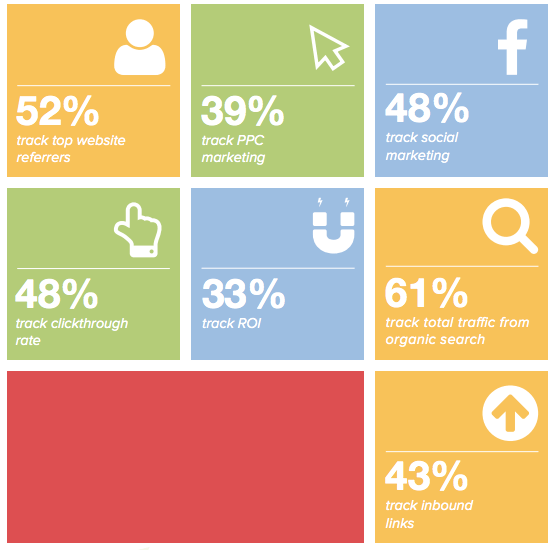
Understanding the Role of Analytics in Online Marketing
Online marketing has become an essential component of any successful business strategy. As companies strive to reach their target audience and drive conversions, they rely on data-driven insights to make informed decisions. This is where analytics plays a crucial role. Analytics in online marketing refers to the process of collecting, analyzing, and interpreting data to gain valuable insights into consumer behavior, campaign performance, and overall business success. In this article, we will explore the various aspects and benefits of incorporating analytics into your online marketing strategy.
The Power of Data-driven Decision Making
In today’s digital landscape, businesses have access to an abundance of data. However, the sheer volume of information can be overwhelming without a proper analytics strategy in place. Analytics allows marketers to make sense of this data and transform it into actionable insights. By leveraging analytics tools and techniques, businesses can make informed decisions based on real-time data instead of relying on guesswork or gut feelings.
Analytics provides valuable insights into consumer preferences, behaviors, and demographics. For example, by analyzing website traffic data, marketers can identify which channels and campaigns are driving the most traffic and conversions. This information can then be used to optimize marketing efforts, allocate resources effectively, and improve overall ROI. Furthermore, analytics enables businesses to identify trends, patterns, and correlations in data, helping them understand customer needs and preferences on a deeper level.
The Role of Analytics in Target Audience Identification
One of the primary goals of online marketing is to reach the right audience. However, without a clear understanding of who your target audience is, it can be challenging to create effective campaigns. This is where analytics plays a crucial role. By analyzing demographic, behavioral, and psychographic data, businesses can identify their target audience with precision.
Analytics allows marketers to segment their audience based on factors such as age, gender, location, interests, and purchasing behavior. This segmentation enables businesses to tailor their marketing messages and strategies to specific audience segments, increasing the chances of engagement and conversion. For example, an analytics report may reveal that a particular age group responds more positively to social media advertising, while another group prefers email marketing. Armed with this knowledge, marketers can allocate resources accordingly and create personalized campaigns that resonate with their target audience.
The Benefits of Implementing Analytics in Online Marketing
Implementing analytics in your online marketing strategy offers numerous benefits that can greatly impact your business’s success. Let’s explore some of these benefits:
1. Data-driven Decision Making: Analytics allows you to make informed decisions based on real-time data, minimizing the risk of relying on guesswork or assumptions.
2. Enhanced Targeting: By understanding your target audience better, you can create more personalized and targeted marketing campaigns, resulting in higher engagement and conversions.
3. Improved ROI: Analytics helps you identify which marketing channels and campaigns are driving the most results, allowing you to allocate resources effectively and maximize your return on investment.
4. Continuous Optimization: With analytics, you can monitor the performance of your marketing efforts in real-time and make necessary adjustments along the way. This iterative approach ensures that your campaigns are always optimized for success.
5. Competitive Advantage: By leveraging analytics, you can gain a competitive edge by staying ahead of market trends, identifying new opportunities, and adapting your strategy accordingly.
Key Metrics to Measure Performance
When it comes to analytics in online marketing, several key metrics can help assess the performance of your campaigns. These metrics include:
- Conversion Rate: Measure the percentage of website visitors who complete a desired action, such as making a purchase or filling out a form.
- Click-through Rate (CTR): Calculate the percentage of users who click on a specific link or call-to-action within an email or advertisement.
- Return on Investment (ROI): Evaluate the profitability of your marketing campaigns by comparing the revenue generated to the cost of the campaign.
- Bounce Rate: Determine the percentage of visitors who navigate away from your website after viewing only one page. A high bounce rate may indicate a lack of engagement or relevancy.
- Customer Lifetime Value (CLTV): Measure the total value a customer brings to your business over their entire relationship with your brand. This metric helps assess the long-term profitability of your marketing efforts.
In conclusion, analytics plays a vital role in online marketing by providing valuable insights, enabling data-driven decision making, and improving overall campaign performance. By leveraging analytics tools and techniques, businesses can gain a competitive edge, enhance targeting, and continuously optimize their marketing efforts. Remember to regularly measure key performance metrics to gauge the success of your campaigns and make necessary adjustments. With analytics as a cornerstone of your online marketing strategy, you can unlock the full potential of your digital marketing efforts.
Key Takeaways: What is the role of analytics in online marketing?
- Analytics helps online marketers understand their audience and track their behavior.
- It provides valuable insights into customer preferences and helps optimize marketing campaigns.
- Analytics helps measure the success of online marketing efforts and identify areas for improvement.
- It helps in making data-driven decisions and allocating resources effectively.
- Analytics enables marketers to track the return on investment (ROI) of their marketing activities.
Frequently Asked Questions
1. How does analytics contribute to the success of online marketing?
Analytics plays a crucial role in the success of online marketing by providing valuable insights and data-driven strategies. With analytics, marketers can track and measure the performance of their marketing campaigns, including website traffic, user behavior, conversion rates, and more. This data helps marketers identify what is working and what needs improvement, allowing them to make data-driven decisions to optimize their marketing efforts.
Furthermore, analytics helps marketers understand their target audience better. By analyzing demographic information, user preferences, and buying behaviors, marketers can create more personalized and targeted marketing campaigns. This not only increases the effectiveness of their marketing efforts but also enhances the overall customer experience, leading to higher customer satisfaction and loyalty.
2. How can analytics help in improving website performance?
Analytics provides valuable insights into website performance, helping marketers identify areas for improvement. By analyzing website traffic, bounce rates, and user engagement metrics, marketers can identify any bottlenecks or issues that may be hindering the website’s performance. This allows them to make informed decisions to optimize the website’s design, functionality, and user experience.
Moreover, analytics can help marketers understand how users navigate through their website. By analyzing user behavior, marketers can identify popular pages, conversion paths, and areas where users may be dropping off. This information can be used to optimize the website’s navigation, content placement, and call-to-action buttons, ultimately improving the website’s overall performance and conversion rates.
3. What role does analytics play in measuring the success of marketing campaigns?
Analytics plays a vital role in measuring the success of marketing campaigns by providing quantifiable metrics and performance indicators. Marketers can track key metrics such as website traffic, click-through rates, conversion rates, and return on investment (ROI) to evaluate the effectiveness of their marketing campaigns.
By analyzing these metrics, marketers can determine which campaigns are generating the most leads, sales, or desired actions. This allows them to allocate their marketing budget and resources more effectively, focusing on campaigns that deliver the best results. Analytics also enables marketers to conduct A/B testing and experiment with different strategies to optimize their campaigns and achieve better outcomes.
4. How can analytics help in identifying customer preferences and behavior?
Analytics provides valuable insights into customer preferences and behavior by analyzing data such as demographic information, browsing patterns, and purchase history. Marketers can use this data to segment their target audience based on various criteria, such as age, gender, location, or interests.
By understanding customer preferences and behavior, marketers can tailor their marketing messages, offers, and content to resonate with their target audience. This leads to more personalized and targeted marketing campaigns, resulting in higher engagement, conversion rates, and customer satisfaction.
5. Can analytics help in optimizing online advertising campaigns?
Absolutely! Analytics plays a crucial role in optimizing online advertising campaigns. By tracking and analyzing data such as click-through rates, conversion rates, and cost per acquisition, marketers can identify which advertising channels, campaigns, or keywords are delivering the best results.
This information allows marketers to allocate their advertising budget more effectively, focusing on the channels that generate the highest return on investment. Additionally, analytics can help marketers identify any underperforming ads or landing pages, enabling them to make data-driven optimizations to improve their ad performance and maximize their advertising budget.
Understanding Digital Marketing Analytics (Metrics and Tools)
Final Thoughts: The Power of Analytics in Online Marketing
As we wrap up our exploration of the role of analytics in online marketing, it’s clear that this powerful tool plays a vital role in shaping successful digital strategies. Analytics provides invaluable insights into customer behavior, allowing marketers to make data-driven decisions and optimize their campaigns for maximum impact. By leveraging the power of analytics, businesses can gain a competitive edge in the online landscape.
One of the key advantages of analytics in online marketing is its ability to track and measure the effectiveness of various marketing efforts. With the help of analytics tools, marketers can monitor website traffic, track conversions, and analyze customer engagement. These metrics provide valuable information about what strategies are working and what areas need improvement. Armed with this knowledge, marketers can refine their strategies, allocate resources effectively, and ultimately drive better results.
In addition to guiding marketing decisions, analytics also enhances the customer experience. By understanding customer preferences and behavior patterns, businesses can tailor their marketing messages and offerings to meet their target audience’s needs more effectively. This personalization fosters stronger connections with customers, boosts engagement, and increases the likelihood of conversion.
In conclusion, analytics is an indispensable tool in the realm of online marketing. By harnessing its power, businesses can gain valuable insights, optimize their strategies, and create exceptional experiences for their customers. So, embrace the world of analytics and let it be your guiding light in the ever-evolving landscape of digital marketing.