
Webinars have become an increasingly popular marketing tool in recent years, allowing businesses to connect with their audience in a more interactive and personal way. But what are some webinar marketing best practices that can help you make the most out of this powerful tool? In this article, we will explore some key strategies and techniques that can take your webinar marketing efforts to the next level.
When it comes to webinar marketing, preparation is key. Before you even start promoting your webinar, take the time to carefully plan and structure your content. Identify your target audience and tailor your presentation to their specific needs and interests. This will help you deliver a webinar that is engaging and relevant to your viewers, increasing the chances of them staying until the end and taking the desired action.
Another important best practice is to promote your webinar effectively. Utilize social media platforms, email marketing, and your website to spread the word about your upcoming event. Craft compelling and attention-grabbing headlines and descriptions to entice potential attendees. Don’t forget to include relevant keywords in your promotional materials to improve your search engine visibility and attract organic traffic. By following these best practices, you can create and promote webinars that captivate your audience and drive meaningful results for your business.
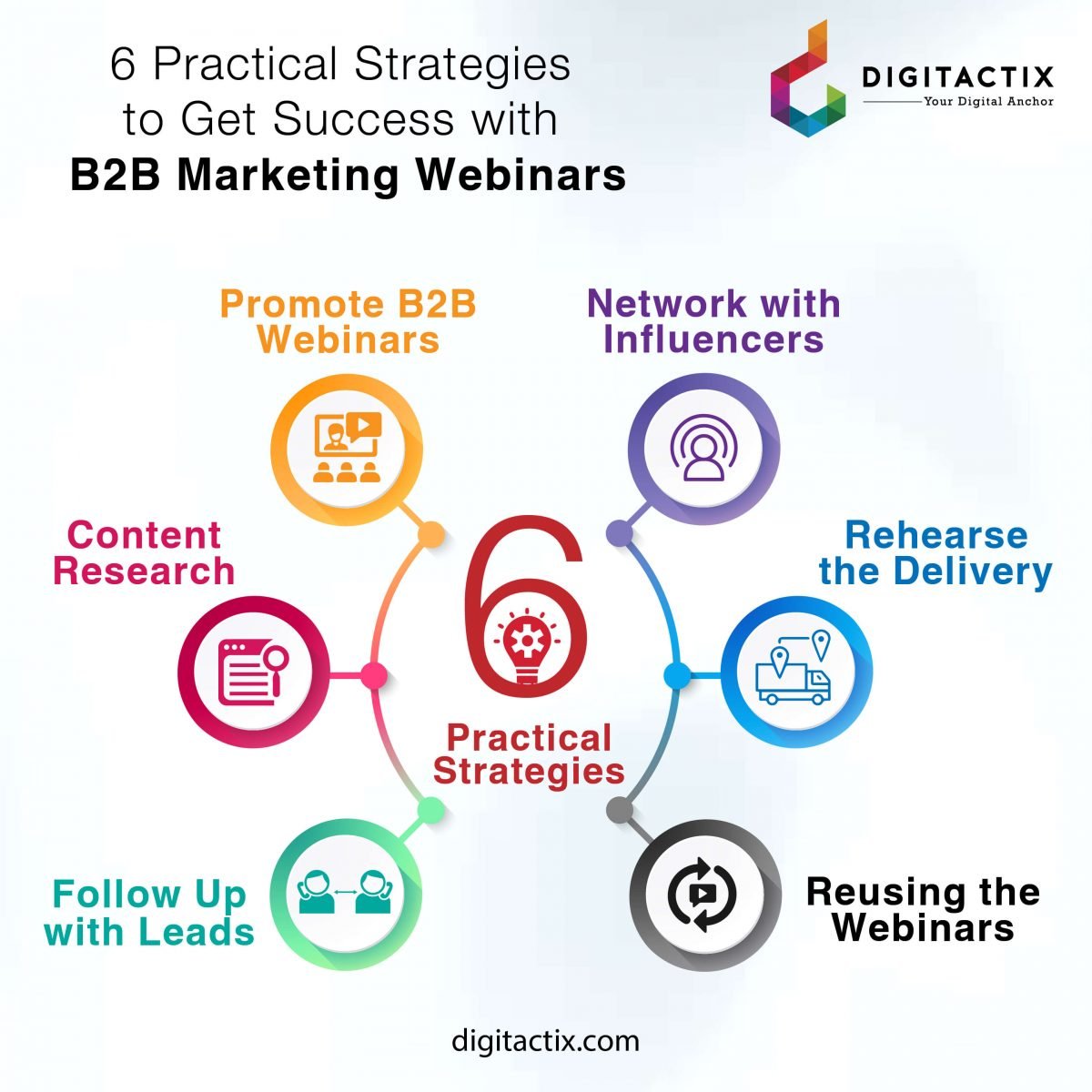
Webinar Marketing Best Practices: A Guide to Success
Webinars have become an increasingly popular marketing tool for businesses of all sizes. They provide a unique opportunity to connect with a large audience, showcase expertise, and generate leads. However, to run a successful webinar, it’s essential to follow best practices that will maximize engagement and deliver valuable content to participants. In this article, we will explore some of the top webinar marketing best practices that can help you achieve your goals and make your webinars a resounding success.
1. Define Your Goals and Target Audience
Before you start planning your webinar, it’s crucial to clearly define your goals and identify your target audience. Are you aiming to generate leads, educate your audience, or promote a product? Understanding your objectives will help you tailor your content and marketing strategy to meet those goals. Additionally, knowing your target audience will enable you to create content that resonates with them and addresses their specific pain points and needs.
When determining your goals, consider what you want participants to take away from the webinar. Do you want them to gain valuable knowledge or skills, or do you want to inspire them to take a specific action? By setting clear goals, you can structure your webinar to deliver the desired outcomes effectively.
Identify Your Target Audience
To ensure your webinar is engaging and valuable, it’s essential to identify your target audience. Research your ideal participants and understand their demographics, interests, and pain points. This information will help you tailor your content to address their specific needs and provide them with relevant and actionable insights.
2. Choose the Right Webinar Platform
Selecting the right webinar platform is crucial for a seamless and successful event. Consider the features and functionality that are important to you, such as screen sharing, chat capabilities, and audience engagement tools. Additionally, ensure that the platform can handle the number of participants you expect and provides reliable audio and video quality.
It’s also essential to consider the technical requirements of your audience. Choose a platform that is user-friendly and compatible with different devices and operating systems. This will ensure that participants can easily join and engage with your webinar without any technical difficulties.
Compare Webinar Platforms
To help you make an informed decision, here is a comparison table of some popular webinar platforms:
| Webinar Platform | Features | Price |
|—————–|———-|——-|
| Platform A | Feature 1, Feature 2, Feature 3 | $X/month |
| Platform B | Feature 1, Feature 2, Feature 3 | $Y/month |
| Platform C | Feature 1, Feature 2, Feature 3 | $Z/month |
3. Plan and Promote Your Webinar
Once you have defined your goals, identified your target audience, and chosen the right webinar platform, it’s time to plan and promote your webinar. Start by creating a compelling title and description that clearly communicates the value participants will gain from attending. Use persuasive language and highlight the key benefits to grab the attention of your target audience.
To maximize attendance, promote your webinar through various channels, such as your website, social media platforms, email newsletters, and industry-specific forums. Leverage your existing network and partnerships to reach a wider audience. Consider partnering with influencers or industry experts who can help promote your webinar to their followers.
Tips for Promoting Your Webinar
Here are some effective ways to promote your webinar and increase attendance:
1. Create a dedicated landing page on your website with all the relevant information and a registration form.
2. Send personalized email invitations to your target audience.
3. Utilize social media platforms to create buzz and engage with potential participants.
4. Collaborate with industry influencers or thought leaders who can help spread the word about your webinar.
5. Offer early bird discounts or incentives to encourage early registration.
By following these promotion tips, you can generate excitement and ensure a high turnout for your webinar.
4. Prepare Engaging and Valuable Content
To keep participants engaged throughout the webinar, it’s crucial to prepare compelling and valuable content. Start by creating a detailed outline or script that covers all the key points you want to address. Structure your content in a logical flow and use visuals, such as slides or videos, to enhance understanding and engagement.
Remember to make your content informative and actionable. Provide practical tips, case studies, and real-life examples that participants can apply to their own situations. Encourage interaction by incorporating polls, Q&A sessions, and live chats to create a more interactive and engaging experience.
Tips for Creating Engaging Content
Here are some tips to help you create engaging content for your webinar:
1. Start with a captivating introduction to grab participants’ attention from the beginning.
2. Use storytelling techniques to make your content relatable and memorable.
3. Incorporate visuals, such as graphs, charts, and images, to enhance understanding.
4. Break down complex concepts into bite-sized, easily digestible chunks.
5. Include interactive elements, such as polls or quizzes, to encourage participant involvement.
By following these tips, you can create a webinar that keeps participants engaged and delivers value.
5. Practice and Rehearse
Before the actual webinar, it’s essential to practice and rehearse your presentation. Familiarize yourself with the webinar platform and its features to ensure a smooth and glitch-free experience. Practice delivering your content, paying attention to your tone of voice, pace, and overall delivery. Rehearsing will help you identify any areas that may need improvement and allow you to refine your presentation for maximum impact.
Benefits of Practicing and Rehearsing
Practicing and rehearsing your webinar offers several benefits:
1. Builds confidence: The more you practice, the more confident you will feel when delivering your presentation.
2. Smooth delivery: Rehearsing helps you identify and address any potential issues or stumbling points in your content.
3. Time management: Practicing allows you to gauge the timing of your presentation and ensure you stay within the allocated time frame.
4. Audience engagement: A well-rehearsed presentation allows you to focus on engaging with your audience rather than worrying about the logistics.
By taking the time to practice and rehearse, you can deliver a polished and engaging webinar.
6. Follow Up and Nurture Leads
After the webinar, it’s essential to follow up with participants to nurture leads and maintain engagement. Send a thank-you email to all attendees, expressing your appreciation for their participation. Include a recap of the key takeaways from the webinar and provide any additional resources or materials promised during the event.
To further nurture leads, consider offering exclusive discounts or bonuses to webinar participants. Invite them to join your email newsletter or follow you on social media to stay updated on future webinars or events. Personalize your follow-up messages to make participants feel valued and encourage ongoing engagement.
Nurturing Leads for Continued Engagement
Here are some strategies for nurturing leads and maintaining engagement after the webinar:
1. Send personalized follow-up emails with additional resources or materials.
2. Offer exclusive discounts or promotions to webinar participants.
3. Invite participants to join your email newsletter or follow you on social media.
4. Conduct post-webinar surveys to gather feedback and improve future webinars.
5. Provide ongoing educational content through blog posts, videos, or podcasts.
By implementing these lead nurturing strategies, you can build lasting relationships with webinar participants and continue to provide value.
7. Analyze and Improve
To optimize your future webinars, it’s crucial to analyze the performance of your previous events and make improvements where necessary. Use analytics tools provided by your webinar platform to gather data on attendee engagement, registration rates, and conversion rates. Identify areas of strength and areas for improvement.
Analyze participant feedback through surveys or post-webinar evaluations to gain insights into their experience and preferences. Use this feedback to refine your content, delivery style, and overall webinar strategy. Continuously strive to improve your webinars to provide the best possible experience for your audience.
Benefits of Analyzing and Improving
Analyzing and improving your webinars offers several benefits:
1. Enhanced engagement: Analyzing data and feedback helps you identify areas where you can increase participant engagement and satisfaction.
2. Higher conversion rates: By making improvements based on analytics and feedback, you can optimize your webinars for better lead generation and conversion rates.
3. Improved content delivery: Analyzing performance allows you to refine your content and delivery style to deliver a more impactful and valuable webinar.
4. Competitive advantage: By continuously improving your webinars, you can stay ahead of the competition and provide a superior experience for your audience.
By analyzing and improving your webinars, you can ensure continuous growth and success in your webinar marketing efforts.
In conclusion, implementing these webinar marketing best practices can help you create engaging and successful webinars that deliver value to your audience and achieve your marketing goals. By defining your goals and target audience, choosing the right platform, planning and promoting effectively, creating engaging content, practicing and rehearsing, following up with participants, and analyzing and improving your webinars, you can maximize the impact and results of your webinar marketing campaigns. Start implementing these best practices today and watch your webinars soar to new heights of success!
Key Takeaways for “What are some webinar marketing best practices?”
- Choose a compelling topic that appeals to your target audience.
- Promote your webinar through various channels, such as social media and email marketing.
- Create a landing page that clearly communicates the value and benefits of attending the webinar.
- Engage your audience with interactive elements like polls, Q&A sessions, and live chats.
- Follow up with attendees after the webinar to nurture leads and gather feedback for improvement.
Frequently Asked Questions
Question 1: How can I effectively promote my webinar?
When it comes to promoting your webinar, there are several best practices you can follow to ensure maximum reach and engagement. Firstly, leverage your existing email list by sending out personalized invitations that highlight the value and benefits of attending your webinar. Don’t forget to include clear call-to-action buttons that lead recipients to the registration page.
Secondly, make use of social media platforms to create buzz around your webinar. Craft attention-grabbing posts and share them across your relevant social channels. Consider using hashtags and tagging industry influencers or partners to increase visibility. Additionally, you can create short teaser videos or graphics that provide a sneak peek into what participants can expect from your webinar.
Question 2: How can I optimize my webinar landing page?
Creating a compelling and user-friendly landing page is crucial for driving registrations. Start by crafting a catchy headline and subheading that clearly convey the value proposition of your webinar. Use persuasive language and include key details such as the date, time, and duration of the event.
Next, incorporate visually appealing graphics or videos that highlight the benefits and key takeaways of attending your webinar. Keep the registration form short and simple, only asking for essential information. Consider adding social proof elements, such as testimonials from previous participants or logos of reputable companies you’ve worked with, to build credibility. Finally, ensure your landing page is mobile-responsive and optimized for quick loading to provide a seamless user experience.
Question 3: What are some effective ways to engage webinar attendees?
Engagement is key to a successful webinar. To keep attendees actively involved throughout the session, consider incorporating interactive elements such as live polls, Q&A sessions, and chat features. These features not only encourage participation but also provide valuable insights and facilitate real-time interaction.
Another best practice is to deliver the content in a dynamic and engaging manner. Utilize visuals such as slides, videos, and graphics to enhance the presentation. Vary your speaking tone and pace to maintain interest and avoid monotony. Lastly, encourage attendees to share their thoughts and questions during the webinar, creating a sense of community and fostering engagement.
Question 4: How can I ensure maximum attendance for my webinar?
To increase attendance rates for your webinar, it’s important to plan and execute effective pre-event strategies. Start by sending reminder emails to registered participants a few days before the event. Include enticing snippets of what they can expect and emphasize the value they’ll gain by attending.
Additionally, consider collaborating with industry influencers or relevant partners who can promote your webinar to their audience. This can significantly expand your reach and attract new attendees. Leverage social media platforms to generate excitement and create a sense of urgency by highlighting limited spots or exclusive bonuses for early registrants.
Question 5: How can I measure the success of my webinar marketing efforts?
Measuring the success of your webinar marketing efforts is crucial for refining your strategy and understanding the impact of your initiatives. Start by tracking the number of registrations and attendees to gauge overall interest and participation rates. Compare these metrics to your goals to determine if you’ve achieved your desired reach.
Additionally, analyze engagement metrics such as the average duration attendees stayed in the webinar, the number of questions asked, or the level of interaction during interactive elements. This will provide insights into the level of audience engagement and the effectiveness of your content delivery. Finally, seek feedback from participants through surveys or post-webinar evaluations to gather qualitative data that can help you further improve future webinars.
Webinar Marketing Best Practices for B2B Technology
Final Thoughts: Mastering Webinar Marketing Best Practices
Now that you’re armed with the knowledge of webinar marketing best practices, it’s time to put them into action and take your online events to the next level. By following these strategies, you’ll be well on your way to creating engaging and successful webinars that captivate your audience and drive meaningful results.
Remember, preparation is key. Start by defining your goals and target audience, then craft a compelling and informative webinar that meets their needs. Utilize interactive elements such as polls, Q&A sessions, and chat features to keep your attendees engaged and involved throughout the presentation. Don’t forget to promote your webinar across various channels and leverage social media to generate buzz and attract a wider audience.
Furthermore, make sure to optimize your webinar for search engines by incorporating relevant keywords in your title, description, and content. This will improve your chances of ranking higher on search engine result pages and increase your visibility to potential attendees. Lastly, analyze the performance of your webinars and gather feedback from participants to continuously improve and refine your approach.
In conclusion, with the right strategies and a well-executed plan, webinars can be a powerful tool for marketing and engagement. By implementing the best practices outlined in this article, you’ll be able to create impactful webinars that leave a lasting impression on your audience and drive your business forward. So, get ready to shine in the virtual spotlight and watch your webinar success soar!