
In the fast-paced world of digital marketing, influencer marketing has become a popular strategy for businesses to reach their target audience. Collaborating with influencers who have a large following on social media can help brands increase their visibility and engagement. However, like any marketing strategy, influencer marketing comes with its fair share of risks. In this article, we will explore the potential pitfalls and challenges that businesses may face when implementing influencer marketing campaigns.
One of the main risks of influencer marketing is the lack of control over the content that influencers create. While influencers can help promote a brand’s products or services, they also have their own creative freedom and personal brand to uphold. This means that the content they produce may not always align perfectly with the brand’s values or messaging. As a result, businesses need to carefully vet and collaborate with influencers who are a good fit for their brand to minimize the risk of brand misalignment. Additionally, there is always a chance that an influencer may engage in unethical behavior or be involved in a scandal, which could negatively impact the brand’s reputation.
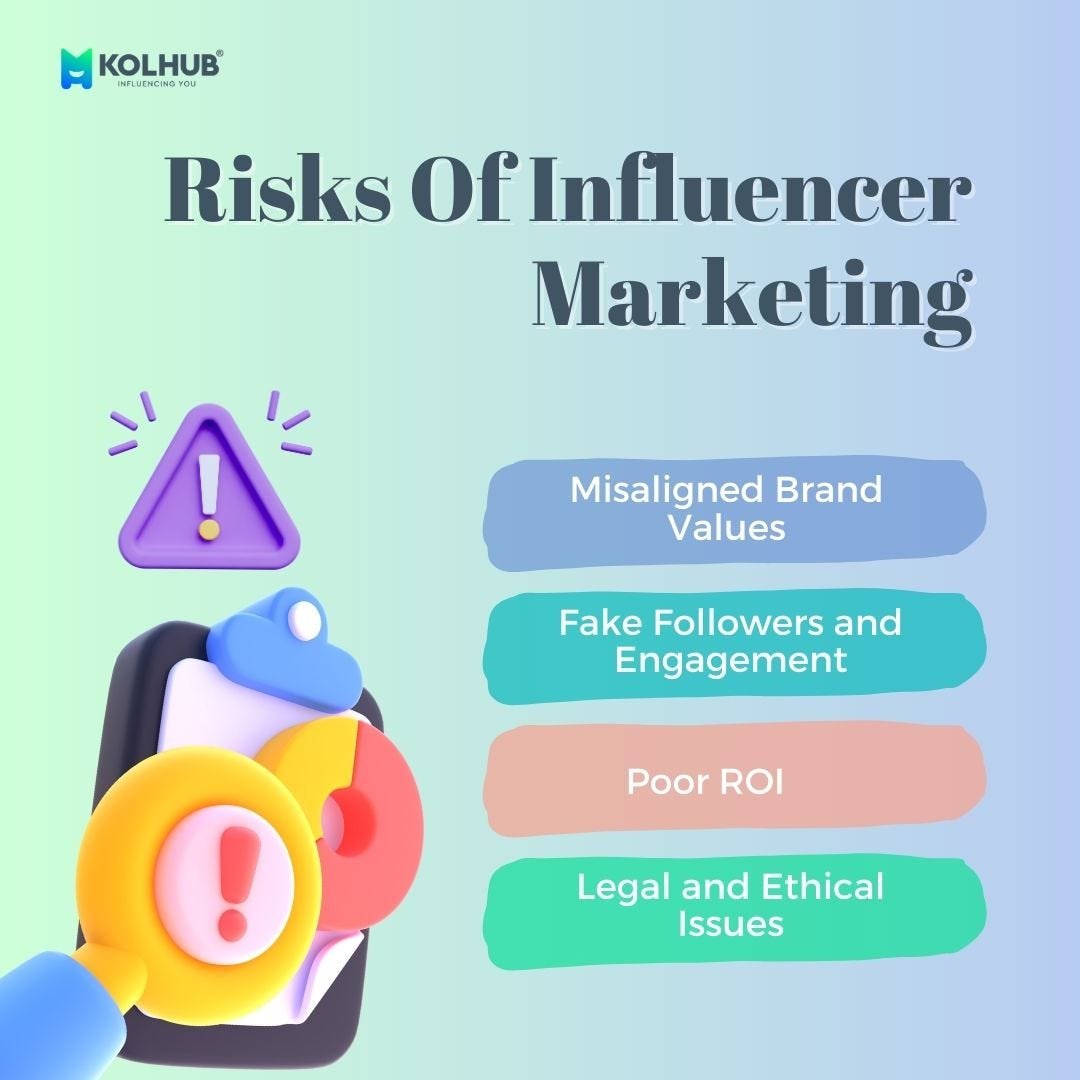
What are the Risks of Influencer Marketing?
In the world of digital marketing, influencer marketing has become an increasingly popular strategy for brands to reach their target audience. By partnering with influencers who have a large following and strong online presence, brands hope to leverage their influence to promote their products or services. While influencer marketing can be effective, it is not without its risks. In this article, we will explore some of the potential risks associated with influencer marketing and how brands can mitigate them.
1. Lack of Authenticity
One of the main risks of influencer marketing is the potential for a lack of authenticity. As influencers collaborate with brands, there is a risk that their content may become overly promotional and lose the genuine connection they have with their audience. This can lead to a loss of trust and credibility, as followers may perceive the influencer as being more interested in making money than providing valuable content. To mitigate this risk, brands should carefully select influencers whose values align with their own and encourage them to maintain their authentic voice when promoting products or services.
Another way to ensure authenticity is by encouraging influencers to disclose any paid partnerships or sponsorships. Transparency is key in maintaining trust with their audience, and it helps to establish credibility for both the influencer and the brand. By being open about their collaborations, influencers can demonstrate that they genuinely believe in the products or services they are promoting.
2. Ineffective Targeting
Influencer marketing can be ineffective if the brand fails to properly target their audience. It is essential for brands to thoroughly research and understand the demographics and interests of the influencer’s followers before partnering with them. If the influencer’s audience does not align with the target market of the brand, the marketing campaign may fall flat and fail to generate the desired results.
To mitigate the risk of ineffective targeting, brands should conduct thorough research on the influencer’s audience demographics, engagement rates, and previous collaborations. By analyzing this data, brands can ensure that the influencer has an engaged and relevant audience that aligns with their own target market. Additionally, brands should clearly communicate their target audience and campaign objectives to the influencer, so they can create content that resonates with the right people.
2.1 Utilizing Data Analytics
Data analytics can play a crucial role in identifying the right influencers for a brand’s campaign. By analyzing data on engagement rates, reach, and audience demographics, brands can make informed decisions on which influencers to partner with. This data-driven approach helps to minimize the risk of ineffective targeting and ensures that the brand’s message reaches the right audience.
2.2 Micro-Influencers vs. Macro-Influencers
Another consideration in influencer marketing is whether to collaborate with micro-influencers or macro-influencers. Micro-influencers have a smaller but highly engaged audience, while macro-influencers have a larger following but may have less engagement. Brands should carefully consider their campaign objectives and target market to determine which type of influencer is the best fit. Utilizing a mix of both micro-influencers and macro-influencers can also be an effective strategy to reach a wider range of audiences.
3. Reputation Management
When partnering with influencers, brands are essentially entrusting their reputation to these individuals. There is a risk that an influencer may engage in controversial behavior or make inappropriate statements that could negatively impact the brand’s image. To mitigate this risk, brands should thoroughly vet influencers before entering into a partnership. This includes reviewing their past content, social media presence, and any previous controversies they may have been involved in.
Additionally, brands should establish clear guidelines and expectations for the influencer’s behavior and content. This can help prevent any potential reputation crises and ensure that the influencer’s actions align with the brand’s values. Regular monitoring of the influencer’s content and engagement with their audience is also crucial in maintaining a positive brand image.
3.1 Crisis Management Plan
Despite taking precautions, a reputation crisis may still occur. Brands should have a crisis management plan in place to effectively respond to any negative situations that may arise. This includes a clear communication strategy and steps to address any issues publicly and promptly. By being prepared and proactive, brands can minimize the potential damage to their reputation and quickly regain the trust of their audience.
3.2 Monitoring and Communication
Continuous monitoring of the influencer’s content and communication with their audience is essential in maintaining a positive brand image. Brands should actively engage with the influencer’s content, respond to comments, and address any concerns or questions from followers. This helps to establish a strong relationship with the audience and demonstrates that the brand is actively involved in the partnership.
In conclusion, while influencer marketing can be an effective strategy for brands to reach their target audience, it is not without its risks. The potential lack of authenticity, ineffective targeting, and reputation management are all factors that brands need to consider when implementing an influencer marketing campaign. By carefully selecting influencers, utilizing data analytics, and establishing clear guidelines, brands can mitigate these risks and maximize the effectiveness of their influencer marketing efforts.
Key Takeaways: What are the risks of influencer marketing?
- Influencer fraud is a major risk, with some influencers buying fake followers or engagement to appear more influential.
- Choosing the wrong influencer can damage your brand’s reputation and credibility.
- There is a lack of control over the content that influencers create, which can lead to inconsistent messaging or misrepresentation of your brand.
- Legal compliance is crucial, as influencers must disclose their partnerships and sponsored content to avoid legal issues.
- Influencer marketing can be expensive, and the return on investment may not always be guaranteed.
Frequently Asked Questions
What are the potential risks associated with influencer marketing?
Influencer marketing can be a powerful tool for businesses, but it is not without its risks. Here are some potential risks associated with influencer marketing:
1. Authenticity and credibility: One of the main risks of influencer marketing is the potential loss of authenticity and credibility. If an influencer promotes a product or service that they do not genuinely believe in or have not personally used, it can damage their reputation and the trust of their followers. Consumers are becoming increasingly savvy and can easily spot inauthentic endorsements, which can result in a negative perception of both the influencer and the brand.
2. Lack of control: When collaborating with influencers, brands may have limited control over the messaging and content that is created. Influencers have their own unique voice and style, which may not always align perfectly with the brand’s image or values. This lack of control can pose a risk if the influencer publishes content that is inconsistent with the brand’s messaging or if they engage in controversial behavior that reflects poorly on the brand.
How can businesses mitigate the risks of influencer marketing?
While influencer marketing comes with risks, there are steps that businesses can take to mitigate these risks:
1. Thorough research and vetting: Before partnering with an influencer, businesses should conduct thorough research to ensure that the influencer aligns with their brand values and target audience. This includes reviewing their past content, engagement rates, and audience demographics. Vetting influencers can help businesses identify those who are more likely to deliver authentic and credible endorsements.
2. Clear guidelines and agreements: It is essential for businesses to establish clear guidelines and agreements with influencers to ensure that their expectations are met. This includes outlining the messaging, content requirements, and any restrictions or exclusivity clauses. Having a documented agreement helps provide a level of control and reduces the risk of miscommunication or misunderstandings.
The Risks of Influencer Campaigns
Final Thoughts: The Risks of Influencer Marketing
In the fast-paced world of digital marketing, influencer marketing has emerged as a powerful tool for brands to reach their target audience. However, like any marketing strategy, it is not without its risks. While influencer marketing can yield great results, it is important for brands to be aware of the potential pitfalls and take necessary precautions to mitigate these risks.
One of the main risks of influencer marketing is the lack of control over the influencers themselves. As an advertiser, you may have carefully crafted your brand image and messaging, but once you hand over the reins to an influencer, you are essentially entrusting your brand reputation to someone else. This lack of control can be risky, as influencers may engage in behavior or promote products that are not aligned with your brand values, potentially damaging your brand’s reputation. To minimize this risk, it is crucial to thoroughly vet influencers before partnering with them, ensuring that their values and content align with your brand.
Another risk of influencer marketing is the potential for fraudulent activity. With the rise of influencer fraud, where some influencers buy fake followers or engagement to appear more influential than they actually are, brands can fall victim to misleading metrics and wasteful investments. To combat this risk, brands should employ tools and strategies to detect fake influencers, such as analyzing their engagement rates, audience demographics, and conducting thorough background checks. By doing so, brands can ensure that they are working with genuine influencers who can truly impact their target audience.
In conclusion, while influencer marketing can be a highly effective strategy, it is essential for brands to be aware of the risks involved. By carefully selecting influencers who align with your brand values and employing measures to detect fraudulent activity, you can mitigate these risks and maximize the potential of influencer marketing. Remember, an informed and cautious approach will ultimately lead to a successful and impactful influencer marketing campaign.