
Are you ready to take your influencer marketing strategy to the next level? Setting realistic goals is the key to achieving success in this ever-evolving digital landscape. In this article, we will explore the importance of establishing attainable objectives for your influencer marketing campaigns. By understanding how to set realistic goals, you can maximize your impact and drive tangible results. So, let’s dive in and uncover the secrets to effective goal-setting in influencer marketing!
When it comes to influencer marketing, setting realistic goals is crucial to ensure that your efforts align with your desired outcomes. Gone are the days of simply reaching for the stars without a concrete plan. It’s time to get strategic and purposeful. By establishing clear objectives, you can measure your progress and make data-driven decisions that will propel your influencer marketing initiatives forward. Whether you’re aiming to increase brand awareness, drive website traffic, or boost sales, setting realistic goals will provide the framework you need to achieve these milestones. So, let’s explore the steps you can take to set meaningful and achievable goals for your influencer marketing campaigns.
How to Set Realistic Goals for Influencer Marketing
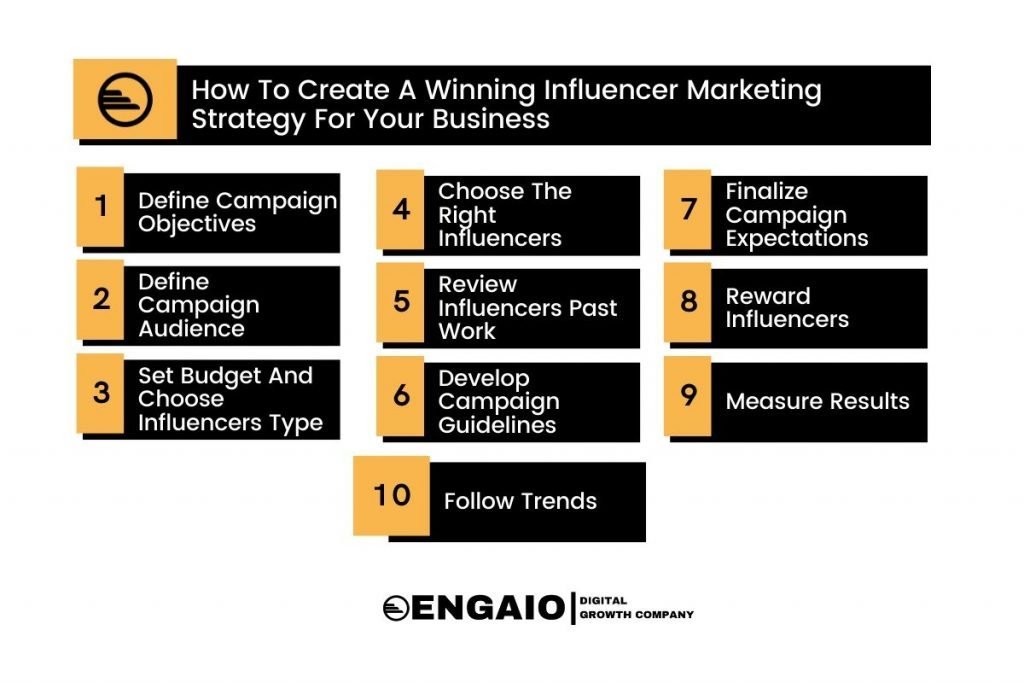
Step 1: Define your objectives. Determine what you want to achieve with your influencer marketing campaign, whether it’s increasing brand awareness, driving sales, or expanding your reach.
Step 2: Conduct research. Analyze your target audience, identify suitable influencers, and study their engagement rates, audience demographics, and previous collaborations.
Step 3: Set measurable goals. Ensure your goals are specific, measurable, attainable, relevant, and time-bound (SMART). For example, aim to increase website traffic by 20% within three months.
Step 4: Track and measure progress. Use tracking tools to monitor the performance of your influencer campaigns and adjust strategies if necessary.
Step 5: Evaluate and optimize. Regularly review your goals and outcomes, identify areas for improvement, and refine your influencer marketing strategy accordingly.
Setting Realistic Goals for Influencer Marketing
In today’s digital age, influencer marketing has become an essential strategy for brands looking to reach their target audience in an authentic and engaging way. However, like any marketing initiative, it is essential to set realistic goals to ensure the success of your influencer campaigns. In this article, we will explore the key steps to setting realistic goals for influencer marketing and how to maximize the effectiveness of your campaigns.
Understanding Your Objectives
Before diving into the world of influencer marketing, it is crucial to define your objectives. What do you hope to achieve through your influencer campaigns? Are you looking to increase brand awareness, drive sales, or build a loyal customer base? By clearly defining your objectives, you will be able to set more specific and achievable goals for your influencer marketing efforts.
When setting your goals, it is important to consider the SMART framework: specific, measurable, attainable, relevant, and time-bound. Specific goals provide clarity and focus, while measurable goals allow you to track progress and evaluate the success of your campaigns. It is also crucial to set goals that are attainable and relevant to your brand’s overall marketing strategy. Lastly, setting a realistic timeline for achieving your goals is essential for planning and execution.
Building Brand Awareness
One of the primary goals for many brands when it comes to influencer marketing is to increase brand awareness. By partnering with influencers who align with your brand values and target audience, you can reach a wider audience and generate buzz around your products or services.
To set realistic goals for brand awareness, consider metrics such as reach, impressions, and engagement. How many people do you want to reach with your influencer campaigns? How many impressions or views do you want your content to generate? By setting specific targets based on these metrics, you can track the effectiveness of your campaigns and make data-driven decisions to optimize your influencer partnerships.
When selecting influencers for brand awareness campaigns, focus on those with a large and engaged following that aligns with your target audience. Look for influencers who have a track record of creating high-quality content and driving engagement with their audience. Collaborating with influencers who have a genuine connection with their followers can significantly impact your brand’s visibility and recognition.
Driving Sales and Conversions
Another common goal for influencer marketing is to drive sales and conversions. By leveraging the influence and credibility of trusted influencers, you can inspire their followers to make purchasing decisions and drive traffic to your website or online store.
When setting goals for sales and conversions, it is important to consider the metrics that directly impact your bottom line. How many sales or conversions do you want to generate through your influencer campaigns? What is the average order value you aim to achieve? By setting specific targets for these metrics, you can measure the ROI of your influencer partnerships and optimize your strategies accordingly.
To maximize the effectiveness of your influencer campaigns in driving sales, consider offering exclusive discounts or promotions for their followers. This not only incentivizes their audience to make a purchase but also provides a measurable way to track the success of your campaigns. Additionally, ensure that your influencer-generated content includes clear call-to-action (CTA) elements, such as swipe-up links or discount codes, to facilitate the conversion process.
Maximizing Return on Investment (ROI)
Setting realistic goals for influencer marketing also involves maximizing your return on investment (ROI). As with any marketing initiative, it is essential to evaluate the cost-effectiveness and efficiency of your influencer campaigns to ensure that you are allocating your resources wisely.
When setting goals for ROI, consider metrics such as cost per acquisition (CPA), return on ad spend (ROAS), or customer lifetime value (CLTV). How much are you willing to invest in your influencer campaigns, and what is the desired return you expect to achieve? By setting specific targets based on these metrics, you can measure the financial impact of your influencer partnerships and make informed decisions about future investments.
To maximize your ROI, it is crucial to track and analyze the performance of your influencer campaigns continuously. Leverage tools and platforms that provide detailed analytics and insights, such as engagement rates, click-through rates, and conversion rates. This data will allow you to identify what is working and what can be improved, enabling you to refine your influencer strategies and achieve better results over time.
In conclusion, setting realistic goals for influencer marketing is essential for maximizing the impact of your campaigns. By understanding your objectives, defining specific and measurable goals, and leveraging the right influencers, you can drive brand awareness, increase sales and conversions, and maximize your return on investment. Remember to continuously track and evaluate the performance of your campaigns, making data-driven decisions to optimize your influencer partnerships and achieve long-term success.
Key Takeaways: How to set realistic goals for influencer marketing?
- 1. Understand your target audience and their preferences.
- 2. Define specific and measurable goals for your influencer campaigns.
- 3. Research and choose influencers who align with your brand values and target audience.
- 4. Set realistic expectations and timelines for your influencer marketing campaigns.
- 5. Monitor and analyze the performance of your influencer campaigns to make data-driven decisions.
Frequently Asked Questions
What are some important factors to consider when setting realistic goals for influencer marketing?
When setting realistic goals for influencer marketing, it’s important to consider several factors. First, you need to have a clear understanding of your overall marketing objectives and how influencer marketing fits into that strategy. This will help you define specific goals that align with your larger business goals. Additionally, you should consider the size and reach of the influencers you plan to work with, as well as their relevance to your target audience. Finally, it’s important to set realistic expectations for the results you can achieve with influencer marketing, taking into account factors such as budget, timeline, and the level of effort required.
In summary, important factors to consider when setting realistic goals for influencer marketing include understanding your overall marketing objectives, selecting influencers that align with your target audience, and setting expectations that are achievable within your resources and timeline.
How can I ensure that my goals for influencer marketing are realistic?
To ensure that your goals for influencer marketing are realistic, it’s important to conduct thorough research and analysis. Start by evaluating the performance of previous influencer marketing campaigns, if applicable, to understand what results are realistic based on past performance. Additionally, consider industry benchmarks and best practices to get a sense of what is achievable in your specific market. It’s also helpful to consult with industry experts or seek guidance from experienced professionals who can provide insights based on their own experiences.
In conclusion, ensuring that your goals for influencer marketing are realistic involves conducting research, analyzing past performance, considering industry benchmarks, and seeking guidance from experts.
What are some common pitfalls to avoid when setting goals for influencer marketing?
When setting goals for influencer marketing, there are some common pitfalls to avoid. One common mistake is setting unrealistic expectations or goals that are too ambitious given your available resources and timeline. It’s important to be realistic about what can be achieved with influencer marketing and set goals that are attainable. Another pitfall is not aligning your goals with your overall marketing strategy. Your influencer marketing goals should support and complement your larger business objectives.
In summary, common pitfalls to avoid when setting goals for influencer marketing include setting unrealistic expectations, not aligning goals with your overall marketing strategy, and failing to consider your available resources and timeline.
How can I measure the success of my influencer marketing goals?
Measuring the success of your influencer marketing goals requires careful tracking and analysis. Start by defining specific key performance indicators (KPIs) that align with your goals, such as engagement metrics, website traffic, or sales conversions. Use tools and analytics platforms to monitor the performance of your influencer campaigns and track the relevant metrics. It’s also important to regularly review and analyze the data to understand the impact of your influencer marketing efforts and make any necessary adjustments to your strategy.
In conclusion, measuring the success of your influencer marketing goals involves defining relevant KPIs, tracking performance using analytics tools, and regularly reviewing and analyzing the data to inform your strategy.
What are some examples of realistic goals for influencer marketing?
Examples of realistic goals for influencer marketing can vary depending on your specific objectives and target audience. Some common examples include increasing brand awareness by reaching a certain number of impressions or engagements, driving website traffic by generating a specific number of clicks or referrals, or boosting sales by achieving a certain conversion rate. Other goals could focus on building a community or increasing social media followers. The key is to set goals that are specific, measurable, attainable, relevant, and time-bound (SMART).
In summary, examples of realistic goals for influencer marketing include increasing brand awareness, driving website traffic, boosting sales, and building a community, all while ensuring that the goals are specific, measurable, attainable, relevant, and time-bound.
How To Launch An INFLUENCER MARKETING CAMPAIGN in 7 Simple Steps (Strategy, Outreach and Examples)
Final Thoughts
Influencer marketing has become a powerful tool for businesses to reach their target audience and build brand awareness. However, setting realistic goals is crucial for the success of any influencer marketing campaign. By following a few key steps, you can ensure that your goals are achievable and aligned with your overall marketing strategy.
First and foremost, it’s important to clearly define your objectives. Are you looking to increase brand visibility, drive traffic to your website, or boost sales? Once you have a clear understanding of what you want to achieve, you can then identify the right influencers who can help you reach those goals. Collaborating with influencers who have a similar target audience and values as your brand will ensure that your message resonates with the right people.
Next, consider setting specific and measurable goals. Instead of simply aiming to “increase sales,” set a target of increasing sales by a certain percentage within a specific timeframe. This will help you track your progress and make adjustments as needed. Additionally, it’s important to set realistic expectations based on your budget and resources. Influencer marketing can be highly effective, but it’s important to have a realistic understanding of what can be achieved within your limitations.
Finally, continuously monitor and analyze your campaign’s performance. Use analytics tools to track key metrics such as engagement, reach, and conversions. This data will provide valuable insights into the effectiveness of your campaign and help you make informed decisions moving forward.
In conclusion, setting realistic goals for influencer marketing is essential for achieving success. By clearly defining your objectives, collaborating with the right influencers, setting specific and measurable goals, and continuously monitoring your campaign’s performance, you can maximize the impact of your influencer marketing efforts and drive meaningful results for your business. So, take the time to set realistic goals and watch your influencer marketing campaign soar to new heights!