
If you’ve ever received an email that caught your attention and made you want to click through and learn more, then you’ve experienced the power of a successful email marketing campaign. But, how do you go about building one yourself? Well, fear not, because I’m here to guide you through the ins and outs of creating email marketing campaigns that not only grab attention but also drive results. So, buckle up and get ready to dive into the world of building successful email marketing campaigns!
When it comes to email marketing, there’s no one-size-fits-all approach. It’s all about understanding your audience, crafting compelling content, and delivering it at the right time. Whether you’re a seasoned marketer or just starting out, this article will provide you with the tips, tricks, and strategies you need to take your email marketing game to the next level. From writing attention-grabbing subject lines to designing stunning email templates, we’ll cover it all. So, let’s get started and unlock the secrets to building successful email marketing campaigns that will have your audience eagerly awaiting their next inbox surprise. Get ready to take your email marketing game to new heights!
Want to boost your email marketing results? Follow these steps for building successful email marketing campaigns:
- Create a compelling subject line that grabs attention.
- Segment your email list to send targeted messages.
- Personalize your emails to make them feel more personal.
- Provide valuable content that resonates with your audience.
- Include a clear call-to-action to encourage conversions.
By implementing these strategies, you’ll be on your way to running effective and successful email marketing campaigns.
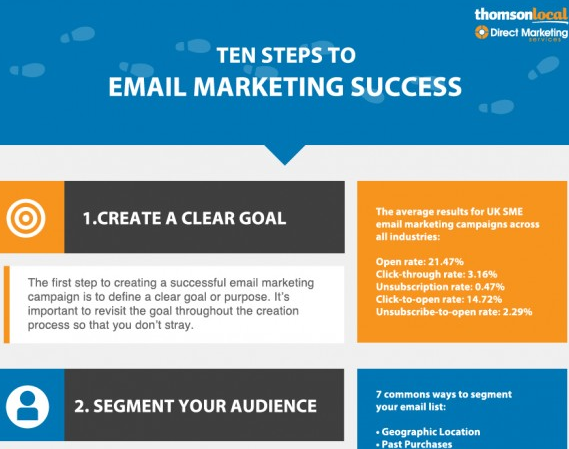
Building Successful Email Marketing Campaigns
Email marketing campaigns are a crucial component of any successful digital marketing strategy. They allow businesses to reach their target audience directly, deliver personalized messages, and drive conversions. Building effective email marketing campaigns requires careful planning, strategic execution, and continuous optimization. In this article, we will explore the key elements and best practices for building successful email marketing campaigns.
Understanding Your Audience
To create impactful email marketing campaigns, it is essential to have a deep understanding of your target audience. Start by defining your buyer personas – detailed profiles of your ideal customers. Consider their demographics, interests, pain points, and motivations. This information will help you tailor your messages and offers to resonate with your audience on a personal level.
Furthermore, segment your email list based on different criteria such as demographics, purchase history, or engagement level. This allows you to send highly targeted emails to specific segments, increasing the relevance of your messages and improving your campaign’s overall effectiveness.
Segmentation Strategies
When segmenting your email list, there are various strategies you can employ. One effective approach is to segment based on the customer’s stage in the sales funnel. For example, you can create separate email campaigns for leads in the awareness stage, consideration stage, and decision stage. This allows you to deliver the right content and offers at each stage, nurturing leads and guiding them towards conversion.
Another segmentation strategy is to segment based on past purchase behavior. Send personalized recommendations or exclusive offers to customers who have made previous purchases with your brand. By tailoring your messaging to their specific interests and needs, you can increase customer loyalty and repeat purchases.
Personalization and Dynamic Content
Personalization is a key driver of email marketing success. People are more likely to engage with emails that are personalized to their interests and preferences. Use merge tags to dynamically insert the recipient’s name or other relevant information into your emails. Additionally, leverage data from past interactions to personalize the content and offers you send. For example, if a customer abandoned their shopping cart, send them a reminder email with a special discount to incentivize them to complete the purchase.
Dynamic content takes personalization a step further by displaying different content based on the recipient’s characteristics or behavior. For instance, you can show different product recommendations based on the recipient’s past purchases or display different images based on their location. This level of personalization enhances the relevance of your emails and boosts engagement.
Design and Copywriting
The design and copywriting of your emails play a crucial role in capturing the attention of your audience and driving them to take action. Here are some key considerations for creating compelling email designs and copy:
Clear and Engaging Subject Lines
The subject line is the first thing recipients see in their inbox. Craft clear and engaging subject lines that entice recipients to open your emails. Use power words, create a sense of urgency or exclusivity, and keep the subject line concise. A/B testing different subject lines can help you identify which ones resonate best with your audience.
Visually Appealing Layouts
Your emails should have a visually appealing layout that is easy to read and navigate. Use eye-catching visuals, such as high-quality images or videos, to grab attention. Ensure that your emails are mobile-responsive, as a significant portion of recipients view emails on their smartphones or tablets.
Compelling Copy
Write persuasive copy that clearly communicates the value proposition of your offer. Focus on benefits rather than features and use a conversational tone to establish a connection with your audience. Use short paragraphs, bullet points, and subheadings to make your content scannable and easy to digest.
Call-to-Action (CTA)
Include a strong and compelling call-to-action in your emails. The CTA should clearly state what action you want the recipient to take and create a sense of urgency or excitement. Use contrasting colors or buttons to make the CTA stand out.
Email Automation and Drip Campaigns
Email automation allows you to streamline and personalize your email marketing efforts. With automation tools, you can set up drip campaigns that send a series of pre-planned emails based on specific triggers or time intervals. This ensures that your subscribers receive a consistent and relevant flow of content, nurturing them through the buyer’s journey.
Types of Drip Campaigns
There are several types of drip campaigns you can implement, depending on your goals and the stage of the customer’s journey. Welcome campaigns introduce new subscribers to your brand and build a relationship from the start. Educational campaigns provide valuable content to nurture leads and establish your expertise. Abandoned cart campaigns remind customers to complete their purchase and offer incentives to encourage conversion.
Metrics and Optimization
To gauge the success of your email marketing campaigns, track relevant metrics such as open rates, click-through rates, and conversion rates. Use A/B testing to experiment with different elements, such as subject lines, CTAs, or email designs, to identify what resonates best with your audience. Continuously analyze the data and optimize your campaigns based on the insights gained.
Building Successful Email Marketing Campaigns: Key Takeaways
Building successful email marketing campaigns requires an understanding of your audience, effective segmentation strategies, personalization, compelling design and copy, email automation, and continuous optimization. By implementing these best practices, you can create engaging and impactful email campaigns that drive results for your business. Remember, email marketing is an ongoing process, so always be open to testing, learning, and refining your strategies to achieve optimal results.
Key Takeaways: Building Successful Email Marketing Campaigns
- Personalize your emails to make them more engaging and relevant to your audience.
- Create compelling subject lines to increase open rates and grab attention.
- Segment your email list based on demographics and preferences for targeted messaging.
- Include a clear call-to-action to encourage recipients to take the desired action.
- Regularly analyze and optimize your email campaigns based on key metrics like open rates and click-through rates.
Frequently Asked Questions
Question 1: How can I build an effective email marketing campaign?
An effective email marketing campaign starts with defining clear goals and objectives. Determine what you want to achieve with your campaign, whether it’s increasing sales, generating leads, or building brand awareness. Next, segment your email list based on demographics, interests, or past interactions to personalize your messages.
Create compelling and relevant content that resonates with your audience. Use engaging subject lines to grab their attention and entice them to open your emails. Don’t forget to optimize your emails for mobile devices, as more and more people are accessing their emails on smartphones and tablets.
Question 2: How often should I send emails to my subscribers?
The frequency of your email campaigns depends on your audience and the nature of your business. It’s important to find the right balance between staying top-of-mind and not overwhelming your subscribers. Test different frequencies to see what works best for your audience.
Consider sending a welcome email when someone subscribes, followed by a series of onboarding emails to nurture new subscribers. For regular newsletters or promotional emails, aim for a consistent schedule, whether it’s weekly, bi-weekly, or monthly. Monitor your open rates and unsubscribe rates to gauge the effectiveness of your frequency.
Question 3: How can I improve the open rates of my emails?
To improve open rates, focus on crafting compelling subject lines that pique curiosity or offer value. Personalize your subject lines and email content to make it relevant to each recipient. Keep your subject lines concise and avoid using spammy or clickbait phrases.
It’s also important to maintain a clean and engaged email list. Regularly remove inactive subscribers to improve deliverability and engagement rates. Use A/B testing to experiment with different subject lines, preview text, or sender names to see what resonates best with your audience.
Question 4: How can I increase click-through rates in my email campaigns?
To increase click-through rates, focus on creating clear and compelling calls-to-action (CTAs). Use action-oriented language and make it easy for recipients to take the desired action, whether it’s clicking a link, making a purchase, or signing up for an event.
Optimize your email design for readability and make sure your CTAs stand out. Use buttons or hyperlinked text to make it easy for recipients to click. Personalize your CTAs based on the recipient’s interests or past interactions to increase relevancy and engagement.
Question 5: How can I measure the success of my email marketing campaigns?
Measuring the success of your email marketing campaigns requires tracking key metrics such as open rates, click-through rates, conversion rates, and ROI. Use an email marketing platform that provides detailed analytics and reporting.
Monitor the performance of different email campaigns and identify trends or patterns. Test and optimize your campaigns based on the data and insights you gather. Don’t forget to tie your email marketing efforts to your overall business goals to ensure you’re achieving the desired outcomes.
Final Thoughts: Building Successful Email Marketing Campaigns
In this fast-paced digital world, email marketing continues to be a powerful tool for businesses to connect with their audience and drive conversions. By implementing effective strategies and following best practices, you can build successful email marketing campaigns that deliver results.
First and foremost, it’s essential to understand your target audience and tailor your emails to their preferences and needs. Personalization is key! Craft compelling subject lines that grab attention, use dynamic content to deliver personalized messages, and segment your email list to ensure relevant content reaches the right people. Remember, a well-targeted email is far more likely to resonate with recipients and drive engagement.
Additionally, make sure your emails are visually appealing and easy to read. Incorporate eye-catching visuals, such as images or infographics, to grab attention and break up text. Use concise and engaging copy, keeping paragraphs short and utilizing bullet points or numbered lists to enhance readability. Don’t forget to optimize for mobile devices, as a significant portion of emails are now opened on smartphones.
Moreover, don’t underestimate the power of a strong call-to-action (CTA). Clearly state the desired action you want recipients to take and make it prominent in your email design. Whether it’s making a purchase, signing up for a newsletter, or downloading a resource, a compelling CTA can significantly increase click-through rates and conversions.
Lastly, regularly analyze and measure the performance of your email campaigns. Pay attention to open rates, click-through rates, and conversions to identify what works and what doesn’t. Use this data to refine your strategies and continually improve your email marketing efforts.
Remember, building successful email marketing campaigns is an ongoing process. Stay up-to-date with industry trends, experiment with new techniques, and always strive to provide value to your subscribers. With dedication and a well-crafted approach, you’ll be well on your way to achieving email marketing success and driving business growth.