
Social media has become an integral part of our daily lives, and it’s no surprise that businesses have tapped into its immense potential for marketing. In the world of E-commerce, effective social media marketing plays a crucial role in reaching and engaging with the target audience. With the right strategies and techniques, businesses can leverage the power of social media to drive traffic, boost sales, and build a strong online presence. So, how can you make your social media marketing efforts for E-commerce truly effective? Let’s delve into some key strategies and tips that will help you navigate the dynamic landscape of social media marketing and achieve remarkable results.
When it comes to effective social media marketing for E-commerce, one of the first steps is to identify your target audience. Understanding who your customers are, what they like, and where they spend their time online will allow you to tailor your social media content and messages to resonate with them. Remember, it’s not just about having a presence on social media platforms; it’s about connecting with your audience in a meaningful way. By creating engaging and shareable content, utilizing interactive features, and responding to comments and messages promptly, you can foster a sense of community and loyalty among your followers. Additionally, don’t forget to optimize your social media profiles and posts with relevant keywords and hashtags to enhance your visibility in search engine results.
In conclusion, effective social media marketing is a game-changer for E-commerce businesses. By understanding your target audience, creating engaging content, and optimizing your social media presence, you can drive significant traffic, increase conversions, and ultimately, boost your bottom line. So, dive into the world of social media marketing, experiment with different strategies, and watch your E-commerce business thrive in the digital realm.
Effective Social Media Marketing for E-commerce
Social media marketing is crucial for the success of any e-commerce business. To effectively promote your products or services on social media platforms, follow these steps:
- Identify your target audience: Determine the demographic and interests of your potential customers.
- Create compelling content: Develop engaging posts, images, and videos that resonate with your audience.
- Choose the right platforms: Focus on the social media platforms where your target audience is most active.
- Engage with your audience: Respond to comments, messages, and reviews to build relationships and trust.
- Track and analyze: Use analytics tools to measure the effectiveness of your social media campaigns and make adjustments accordingly.
By following these steps, you can achieve effective social media marketing for your e-commerce business and drive more traffic and sales.
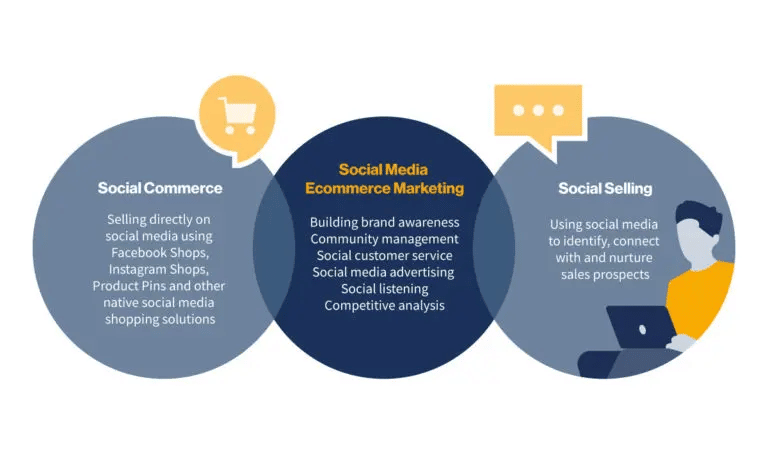
Effective Social Media Marketing for E-commerce
Social media has become an integral part of our daily lives, and it has also transformed the way businesses operate. For e-commerce businesses, harnessing the power of social media is crucial for success in today’s digital landscape. Effective social media marketing can help drive brand awareness, increase website traffic, and ultimately boost sales. In this article, we will explore the key strategies and tactics for implementing effective social media marketing for e-commerce businesses.
The Importance of Social Media for E-commerce
In the digital age, social media platforms have become the go-to channels for customers to discover, engage with, and purchase products. With billions of active users on platforms like Facebook, Instagram, and Twitter, e-commerce businesses have a unique opportunity to reach and connect with their target audience. Social media allows businesses to build a strong brand presence, cultivate a loyal community of customers, and drive traffic to their online stores.
To make the most of social media for e-commerce, businesses need to develop a comprehensive strategy that aligns with their goals and target audience. This includes understanding the different platforms, creating engaging content, and utilizing various marketing techniques to maximize reach and engagement.
Choosing the Right Social Media Platforms
With numerous social media platforms available, it’s essential for e-commerce businesses to choose the right ones that align with their target audience and marketing objectives. Each platform has its unique features and demographics, so it’s crucial to conduct thorough research to determine which platforms are most relevant for your business.
For example, if your target audience consists mainly of young adults and millennials, platforms like Instagram and TikTok may be the most effective in reaching them. On the other hand, if your products cater to professionals and B2B customers, LinkedIn might be a more suitable platform for your social media marketing efforts. By understanding the demographics and user behavior of each platform, you can tailor your content and messaging to resonate with your target audience.
Creating Engaging Content
Content is king in the world of social media marketing. To capture the attention of your audience and stand out from the competition, it’s crucial to create engaging and compelling content. This includes a mix of high-quality images, videos, infographics, and written posts that are visually appealing and relevant to your target audience.
When creating content, it’s important to strike a balance between promotional and educational content. While it’s essential to showcase your products and drive sales, it’s equally important to provide valuable and informative content that resonates with your audience. This could include tutorials, product reviews, industry insights, and behind-the-scenes glimpses into your business.
Utilizing Influencer Marketing
Influencer marketing has become a powerful tool in social media marketing for e-commerce businesses. Collaborating with influencers who have a strong following and influence over your target audience can significantly boost your brand’s visibility and credibility. When choosing influencers, it’s important to consider their relevance to your brand, engagement rates, and authenticity.
Partnering with influencers can take various forms, including sponsored posts, product reviews, and giveaways. By leveraging the influence and reach of these influencers, you can tap into their existing audience and gain exposure to potential customers who may not have discovered your brand otherwise.
Running Targeted Ad Campaigns
Paid advertising on social media platforms can be a highly effective way to reach your target audience and drive sales. Platforms like Facebook and Instagram offer robust targeting options that allow you to narrow down your audience based on demographics, interests, and behaviors. This enables you to create highly targeted ad campaigns that are more likely to resonate with your audience and drive conversions.
When running ad campaigns, it’s important to set clear objectives and monitor the performance of your ads regularly. This will allow you to make data-driven decisions and optimize your campaigns for better results. Additionally, utilizing retargeting campaigns can help re-engage customers who have shown interest in your products but haven’t made a purchase yet.
The Benefits of Effective Social Media Marketing for E-commerce
Implementing effective social media marketing strategies can yield numerous benefits for e-commerce businesses. Let’s explore some of the key advantages of leveraging social media for marketing purposes.
Increased Brand Awareness
Social media provides a platform for businesses to showcase their brand personality and connect with their target audience on a more personal level. By consistently sharing engaging content and interacting with followers, e-commerce businesses can increase brand visibility and awareness. This, in turn, can lead to more organic reach, as satisfied customers share your content with their own networks.
Improved Customer Engagement and Loyalty
Social media allows businesses to engage directly with their customers, creating a sense of community and building stronger relationships. By responding to comments, addressing concerns, and providing valuable content, e-commerce businesses can foster customer loyalty and turn satisfied customers into brand advocates. This can result in repeat purchases and positive word-of-mouth recommendations, further driving sales and growth.
Increased Website Traffic and Conversions
One of the primary goals of social media marketing for e-commerce is to drive traffic to the business’s website or online store. By strategically promoting products, sharing links, and utilizing call-to-actions, businesses can increase website traffic and generate more conversions. Social media also allows for retargeting campaigns, which can help bring back potential customers who have shown interest but haven’t completed a purchase.
Valuable Customer Insights
Social media platforms provide valuable data and insights into customer behavior, preferences, and trends. By analyzing this data, e-commerce businesses can gain a deeper understanding of their target audience and make informed decisions regarding product development, marketing strategies, and customer service. This data-driven approach can lead to more effective and targeted marketing campaigns, ultimately driving better results.
In conclusion, effective social media marketing is crucial for the success of e-commerce businesses. By choosing the right platforms, creating engaging content, leveraging influencer marketing, and running targeted ad campaigns, businesses can harness the power of social media to increase brand awareness, drive website traffic, and boost sales. With the right strategies and a focus on providing value to their audience, e-commerce businesses can thrive in today’s digital landscape.
Key Takeaways: Effective Social Media Marketing for E-commerce
- Use eye-catching visuals to grab attention.
- Create engaging content that resonates with your audience.
- Utilize social media influencers to promote your products.
- Leverage user-generated content to build trust and authenticity.
- Regularly analyze and optimize your social media strategy.
Note: Please let me know if you need any further assistance.
Frequently Asked Questions
What are the key elements of effective social media marketing for E-commerce?
Social media marketing for E-commerce requires a strategic approach to ensure maximum effectiveness. There are several key elements to consider:
Firstly, it’s important to identify and understand your target audience. This will help you tailor your messaging and content to resonate with them. Conduct market research and analyze data to gain insights into your audience’s preferences and behaviors.
Secondly, consistency is key when it comes to social media marketing. Maintain a regular posting schedule to keep your audience engaged and build brand awareness. Plan your content in advance and use scheduling tools to ensure consistent delivery.
Thirdly, utilize visual content to capture attention and drive engagement. Images and videos are more likely to be shared and can help showcase your products in an appealing way. Invest in high-quality visuals that align with your brand image.
Lastly, engage with your audience by responding to comments, messages, and reviews. This shows that you value their feedback and builds trust. Encourage user-generated content and run contests or giveaways to foster a sense of community.
How can I leverage social media influencers for E-commerce marketing?
Social media influencers can be powerful allies in your E-commerce marketing efforts. Here are some ways to leverage their influence:
Firstly, identify influencers who align with your brand values and target audience. Look for influencers who have a genuine interest in your products or industry. Research their engagement rates and audience demographics to ensure they can effectively reach your target market.
Secondly, establish a mutually beneficial partnership with influencers. Offer them incentives such as free products, exclusive discounts, or affiliate programs. Collaborate on content creation to showcase your products in an authentic and engaging way.
Thirdly, track and measure the impact of influencer collaborations. Set clear goals and metrics to evaluate the success of your campaigns. Monitor engagement, website traffic, and sales attributed to influencer partnerships.
Lastly, maintain a long-term relationship with influencers who deliver results. Building strong connections with influencers can lead to ongoing collaborations and increased brand visibility.
What social media platforms are most effective for E-commerce marketing?
Choosing the right social media platforms for E-commerce marketing depends on your target audience and the nature of your products. However, some platforms are generally effective for E-commerce marketing:
Firstly, Facebook is a versatile platform that allows you to reach a wide audience. Its advertising capabilities, including targeted ads and retargeting, make it ideal for driving conversions.
Secondly, Instagram is visually focused and popular among younger demographics. It offers various features like shoppable posts and Instagram Stories that can showcase your products in an engaging way.
Thirdly, Pinterest is known for its ability to drive product discovery and inspire purchase decisions. Its users actively search for ideas and inspiration, making it suitable for businesses with visually appealing products.
Lastly, YouTube is a powerful platform for product demonstrations, tutorials, and reviews. It allows you to engage with your audience through video content and can help build brand authority.
How can I measure the success of my social media marketing efforts for E-commerce?
Measuring the success of your social media marketing efforts is crucial for optimizing your strategies. Here are some key metrics to consider:
Firstly, track engagement metrics such as likes, comments, shares, and clicks. These indicate how well your content resonates with your audience and can help identify areas for improvement.
Secondly, monitor website traffic and conversions attributed to your social media efforts. Use tracking tools like Google Analytics to analyze the source of your website traffic and the conversion rates of social media referrals.
Thirdly, assess the reach and impressions of your social media posts. This will give you an idea of how many people are exposed to your content and can help gauge brand visibility.
Lastly, calculate the return on investment (ROI) of your social media marketing campaigns. Compare the cost of your campaigns to the revenue generated to determine if your efforts are profitable.
How can I optimize my social media content for E-commerce marketing?
Optimizing your social media content is essential to maximize its effectiveness for E-commerce marketing. Here are some tips to consider:
Firstly, use relevant keywords and hashtags in your captions and descriptions. This will help increase the discoverability of your content and attract users who are interested in your products.
Secondly, optimize your visual content by ensuring high-quality images and videos. Use compelling product shots and lifestyle imagery that showcases your offerings in the best light.
Thirdly, include clear and concise calls-to-action (CTAs) in your posts. Encourage users to visit your website, make a purchase, or engage with your brand in some way. Use enticing language and create a sense of urgency to drive action.
Lastly, leverage user-generated content by encouraging your customers to share their experiences with your products. Repost customer reviews, testimonials, and user-generated photos to enhance trust and social proof.
Remember to regularly analyze the performance of your content and make adjustments based on audience feedback and data insights.
Final Summary: Mastering Social Media Marketing for E-commerce
In this fast-paced digital era, effective social media marketing has become a game-changer for E-commerce businesses. By harnessing the power of platforms like Facebook, Instagram, and Twitter, companies can reach wider audiences, increase brand visibility, and ultimately drive sales. Throughout this article, we’ve explored the various strategies and best practices that can help businesses succeed in this dynamic landscape.
One key takeaway is the importance of understanding your target audience and tailoring your social media content to their preferences. By creating engaging and relevant posts, utilizing eye-catching visuals, and crafting compelling calls-to-action, you can captivate your audience and encourage them to take action. Additionally, leveraging user-generated content, collaborating with influencers, and running interactive campaigns can help foster a sense of community and strengthen brand loyalty.
Furthermore, it’s crucial to measure your social media marketing efforts and analyze the data to refine your strategies. Utilize analytics tools to track engagement, reach, and conversions. By identifying what works and what doesn’t, you can optimize your campaigns and allocate your resources effectively.
Remember, social media marketing is an ever-evolving landscape, so it’s essential to stay updated on the latest trends and adapt your strategies accordingly. With a well-rounded approach that combines creativity, data analysis, and a deep understanding of your target audience, you can elevate your E-commerce business and achieve remarkable success in the digital realm.
So, embrace the power of social media marketing, connect with your audience, and watch your E-commerce business thrive in the online world!