
If you’re an e-commerce business looking to boost your success, then pay close attention to the power of email marketing. In today’s digital world, email remains a key tool for connecting with your customers and driving sales. But how can you make the most of this powerful channel? Well, fear not! In this article, we’ll delve into the best practices for email marketing that will help elevate your e-commerce business to new heights of success.
When it comes to email marketing, there are several strategies and techniques that can make a significant difference in your e-commerce endeavors. From crafting compelling subject lines that grab attention to personalizing your messages to create a sense of connection, we’ll explore it all. We’ll also dive into the importance of segmenting your email list, using eye-catching visuals, and optimizing for mobile devices. With these tried-and-true email marketing best practices in your arsenal, you’ll be well on your way to achieving e-commerce success that’s off the charts.
So, get ready to revolutionize your email marketing game and take your e-commerce business to the next level. Buckle up and let’s explore the world of email marketing best practices that will have your customers eagerly clicking that “Buy Now” button in no time!
Email marketing can greatly contribute to the success of e-commerce businesses. To optimize your email marketing efforts, follow these best practices:
- Segment your email list to send targeted messages to specific customer groups.
- Personalize your emails by addressing recipients by their names and tailoring content to their preferences.
- Create compelling subject lines to increase open rates.
- Use eye-catching visuals and concise, relevant content to engage readers.
- Include clear call-to-action buttons that direct recipients to your website or product pages.
- Regularly test and analyze your email campaigns to refine your strategies and improve results.
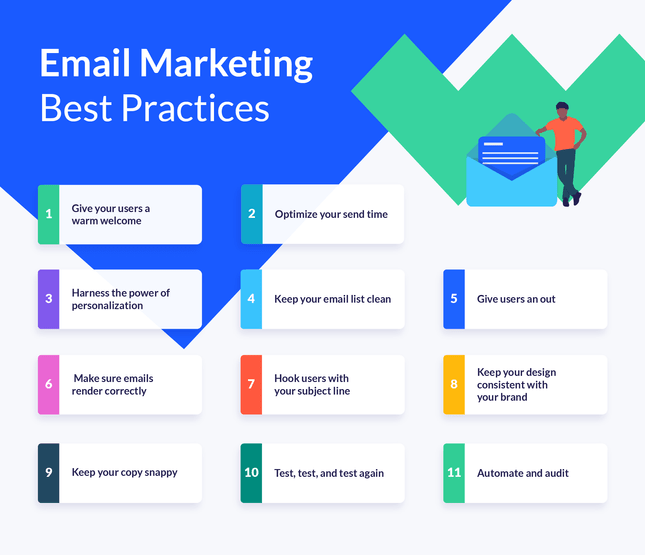
Email Marketing Best Practices for E-commerce Success
Email marketing has become an essential strategy for e-commerce businesses to reach and engage with their customers. By implementing best practices, businesses can maximize the effectiveness of their email campaigns and drive success. In this article, we will explore the key practices that can help e-commerce businesses achieve success through email marketing.
Segment Your Audience for Personalization
To create targeted and personalized email campaigns, it is crucial to segment your audience based on their preferences, behaviors, and demographics. By dividing your subscribers into specific segments, you can tailor your messages to their needs and interests. This level of personalization enhances the relevance of your emails and increases the likelihood of engagement and conversions.
Segmentation can be done based on various factors such as purchase history, browsing behavior, location, and demographics. By analyzing the data you have on your subscribers, you can create segments that allow you to send relevant and timely messages. For example, you can send personalized product recommendations to customers who have previously made purchases in a specific category.
Benefits of Audience Segmentation
Segmenting your audience offers several benefits for your e-commerce email marketing campaigns. Firstly, it allows you to deliver more targeted content, which increases the chances of generating interest and conversions. Secondly, segmentation enables you to send automated emails triggered by specific actions, such as abandoned cart reminders or post-purchase follow-ups. These automated emails can significantly improve customer engagement and retention.
Implement Effective Subject Lines
The subject line of your email plays a crucial role in determining whether it will be opened or sent straight to the trash bin. To maximize open rates, it is essential to craft compelling and attention-grabbing subject lines that pique the curiosity of your subscribers. A good subject line should be concise, enticing, and relevant to the content of the email.
One effective strategy is to use personalization in your subject lines. Including the recipient’s name or referencing their past interactions with your brand can make the email feel more personalized and increase the chances of it being opened. Additionally, using action-oriented language or creating a sense of urgency can also create a sense of FOMO (fear of missing out) and prompt recipients to open the email.
Create Engaging and Valuable Content
Once you have captured the attention of your subscribers with an enticing subject line, it is crucial to deliver valuable and engaging content in your emails. Your content should provide value to your subscribers, whether it is in the form of educational information, exclusive offers, or entertaining stories. By consistently delivering valuable content, you can build trust and loyalty with your audience.
A great way to engage your subscribers is by including visual elements such as images, videos, or GIFs in your emails. Visual content not only makes your emails more visually appealing but also helps convey your message in a more engaging and memorable way. However, it is important to optimize your visuals for email clients and ensure they load quickly to avoid any negative impact on the user experience.
The Power of Email Newsletters
One effective way to provide ongoing value to your subscribers is through email newsletters. Newsletters allow you to regularly share updates, industry insights, and exclusive offers with your audience. By curating valuable content and presenting it in a visually appealing format, newsletters can become a highly anticipated communication from your brand.
In addition to delivering valuable content, newsletters also provide an opportunity to showcase your brand’s personality and build a connection with your subscribers. Including personal stories, behind-the-scenes glimpses, or user-generated content can help humanize your brand and foster a sense of community.
Benefits of Email Automation
Email automation is a powerful tool for e-commerce businesses to streamline their email marketing efforts and deliver timely, relevant messages to their subscribers. Automation allows you to set up triggered emails based on specific actions or events, such as welcome emails, abandoned cart reminders, or post-purchase follow-ups.
The benefits of email automation are two-fold. Firstly, it saves you time and resources by automating repetitive tasks, allowing you to focus on other aspects of your business. Secondly, it enables you to deliver personalized and timely messages to your subscribers, enhancing the customer experience and increasing the chances of conversions.
In conclusion, implementing best practices in email marketing is crucial for e-commerce businesses to achieve success. By segmenting your audience, crafting compelling subject lines, creating engaging content, and utilizing email automation, you can maximize the effectiveness of your email campaigns and drive positive results for your business. Remember to always monitor and analyze the performance of your email campaigns to continuously optimize and improve your strategies.
Key Takeaways: Email Marketing Best Practices for E-commerce Success
2. Use catchy subject lines to grab attention and encourage recipients to open your emails.
3. Segment your email list to send targeted messages based on customer preferences and behavior.
4. Optimize your email design for mobile devices to reach a wider audience.
5. Monitor and analyze email metrics to track your campaign’s effectiveness and make improvements.
Frequently Asked Questions
What are some effective email marketing strategies for e-commerce success?
When it comes to email marketing for e-commerce success, there are several strategies that can help you achieve your goals. Firstly, personalization is key. Tailor your emails to the individual recipient, addressing them by their name and including product recommendations based on their past purchases or browsing history. Secondly, make sure your emails are mobile-friendly. With more people accessing emails on their smartphones, it’s important that your emails are optimized for mobile devices. Lastly, segment your email list based on different criteria such as demographics, purchase history, or engagement level. This allows you to send targeted emails to specific groups, increasing the likelihood of conversions.
Additionally, it’s important to experiment with different email formats, such as newsletters, promotional emails, or abandoned cart reminders, to see what resonates best with your audience. Don’t forget to regularly analyze the performance of your email campaigns and make adjustments based on the data you collect. By implementing these strategies, you can maximize the effectiveness of your email marketing efforts and drive e-commerce success.
How can I improve the open rates of my e-commerce emails?
To improve the open rates of your e-commerce emails, there are a few best practices to follow. Firstly, pay attention to your subject lines. Craft compelling subject lines that grab the recipient’s attention and entice them to open the email. Consider using personalization or creating a sense of urgency to increase the likelihood of opens. Secondly, optimize your preview text. This is the snippet of text that appears below the subject line in the recipient’s inbox. Use this space wisely to provide a sneak peek of what’s inside the email and encourage opens.
Additionally, make sure your emails are sent at the right time. Test different send times to determine when your audience is most likely to engage with your emails. Furthermore, regularly clean your email list to remove inactive subscribers. This helps improve the overall engagement rate of your emails, leading to higher open rates. Lastly, consider implementing a re-engagement campaign for subscribers who haven’t opened your emails in a while. By sending targeted emails to these subscribers, you may be able to rekindle their interest and improve open rates.
What is the importance of email automation in e-commerce marketing?
Email automation plays a crucial role in e-commerce marketing. It allows you to streamline your email campaigns and deliver personalized, timely messages to your subscribers. With automation, you can set up triggered emails based on specific actions or events, such as abandoned carts, welcome emails for new customers, or order confirmations.
By automating these processes, you can save time and effort while ensuring that your customers receive relevant and timely information. Email automation also enables you to nurture leads and build customer relationships by sending targeted emails based on their behavior and preferences. This personalized approach can significantly improve your e-commerce success by increasing customer engagement, driving conversions, and fostering loyalty.
How can I measure the success of my e-commerce email marketing campaigns?
Measuring the success of your e-commerce email marketing campaigns is essential to understand what’s working and what needs improvement. There are several key metrics you should track. Firstly, open rate indicates the percentage of recipients who opened your email. A higher open rate suggests that your subject lines and preview text are effective at grabbing attention. Secondly, click-through rate measures the percentage of recipients who clicked on a link within your email. This metric indicates the level of engagement and interest generated by your email content.
Other important metrics to consider include conversion rate, which measures the percentage of recipients who completed a desired action, such as making a purchase or signing up for a newsletter, as well as the overall revenue generated from your email campaigns. By regularly monitoring these metrics and comparing them to your goals, you can assess the success of your e-commerce email marketing campaigns and make data-driven decisions to optimize future campaigns.
How can I build a strong email list for my e-commerce business?
Building a strong email list is crucial for the success of your e-commerce business. One effective way to grow your email list is by offering valuable incentives in exchange for email addresses. This could include discounts, exclusive content, or access to special promotions. Make sure to prominently display your sign-up form on your website and optimize it for a seamless user experience.
It’s also important to leverage social media platforms to drive email sign-ups. Promote your email list on social media channels and encourage followers to subscribe for exclusive offers or updates. Additionally, consider partnering with complementary businesses or influencers in your industry to cross-promote each other’s email lists. Lastly, regularly engage with your existing subscribers to keep them interested and encourage them to share your emails with their networks, helping you expand your reach and grow your email list organically.
7 eCommerce Email Marketing Tactics That Work Like a Charm
Final Summary: Mastering Email Marketing for E-commerce Success
As we wrap up our discussion on email marketing best practices for e-commerce success, it’s clear that this powerful strategy can greatly impact your business’s growth and profitability. By following these guidelines and optimizing your email campaigns, you can effectively engage with your audience, nurture customer relationships, and drive conversions.
First and foremost, personalization is key. Tailoring your emails to individual customers based on their preferences, purchase history, and browsing behavior can significantly boost engagement and conversion rates. Don’t be afraid to get creative and experiment with different email formats, such as storytelling or interactive elements, to capture your recipients’ attention and stand out from the competition.
Furthermore, ensuring that your emails are mobile-friendly is crucial in today’s smartphone-dominated world. With a growing number of people accessing their emails on mobile devices, it’s essential that your content is easily readable and visually appealing on smaller screens. Responsive design and concise, scannable content will make your emails more effective and user-friendly.
Another important aspect of successful email marketing is segmentation. By categorizing your audience based on interests, demographics, or purchase behavior, you can deliver highly targeted and relevant messages that resonate with each segment. This personalized approach not only strengthens customer relationships but also increases the chances of conversions and repeat purchases.
Lastly, don’t forget to regularly analyze your email marketing performance. Pay attention to key metrics such as open rates, click-through rates, and conversion rates to identify areas for improvement and refine your strategies. A/B testing different elements of your emails, such as subject lines, calls to action, or visuals, can provide valuable insights into what works best for your audience.
In conclusion, by implementing these email marketing best practices, you can build a strong and profitable e-commerce business. Remember, it’s not just about sending emails; it’s about creating meaningful connections with your customers, providing value, and delivering a seamless and personalized experience. So, go ahead and make your mark in the e-commerce world with effective email marketing strategies.