
Are you eager to learn how to build an effective email marketing strategy? Well, buckle up because I’m about to spill the beans on this exciting topic! In today’s digital world, email marketing continues to be a powerful tool for businesses to connect with their audience and drive sales. But with so many strategies out there, it can be overwhelming to figure out where to start. Don’t worry, my friend, I’ve got your back! In this article, we’ll dive into the world of email marketing and explore the key steps you need to take to create a winning strategy that will leave your subscribers eagerly clicking and converting.
Now, let’s get real for a moment. Email marketing isn’t just about blasting out promotional messages and hoping for the best. It’s about building relationships, providing value, and nurturing your subscribers into loyal customers. So, how do you do that? Firstly, you need to define your goals and target audience. Who are you trying to reach, and what do you want them to do? Once you have a clear understanding of your objectives, it’s time to create compelling and engaging content that speaks directly to your audience’s needs, desires, and pain points. From attention-grabbing subject lines to irresistible call-to-actions, every element of your email should be crafted with precision and purpose. And don’t forget to test, analyze, and optimize your campaigns along the way. With the right mix of creativity, strategy, and data-driven decision-making, you’ll be well on your way to email marketing success. So, let’s dive in and discover how you can build an effective email marketing strategy that will captivate your audience and drive your business forward.
Building an effective email marketing strategy requires careful planning and execution. Here are some steps to help you get started:
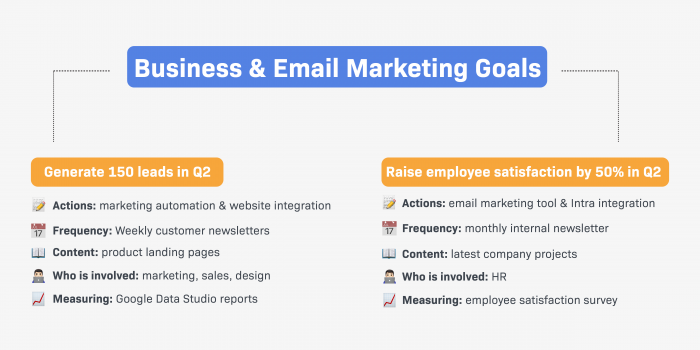
- Define your goals: Determine what you want to achieve with your email marketing campaign.
- Identify your target audience: Understand who your ideal customers are and tailor your emails to their needs and interests.
- Create valuable content: Develop compelling and relevant content that provides value to your subscribers.
- Segment your email list: Divide your subscribers into different groups based on their demographics or behaviors to send more targeted messages.
- Personalize your emails: Use the recipient’s name and include personalized recommendations or offers to increase engagement.
- Optimize for mobile devices: Ensure your emails are mobile-friendly for easy viewing on smartphones and tablets.
- Test and analyze: Continuously test different elements of your emails and analyze the results to optimize your strategy.
- Monitor deliverability and engagement: Keep an eye on your email deliverability rate and track open and click-through rates to gauge the success of your campaigns.
Building an Effective Email Marketing Strategy
Email marketing is a powerful tool for businesses to engage with their audience, drive conversions, and build lasting relationships. However, simply sending out emails without a well-thought-out strategy can lead to lackluster results. To make the most of your email marketing efforts, it’s essential to build an effective strategy that aligns with your business goals. In this article, we’ll explore the key steps and best practices for creating a successful email marketing strategy.
Understanding Your Audience
To build an effective email marketing strategy, it’s crucial to have a deep understanding of your target audience. Start by defining your buyer personas, which are fictional representations of your ideal customers. Consider their demographics, interests, pain points, and motivations. This information will guide your email content and help you tailor your messaging to resonate with your audience.
Next, segment your email list based on different criteria such as demographics, purchase history, or engagement levels. By segmenting your list, you can send more personalized and relevant emails to specific groups, increasing the chances of engagement and conversions.
Benefits of Audience Segmentation
Segmentation allows you to send targeted emails that are more likely to resonate with specific segments of your audience. By tailoring your message to their specific needs and interests, you can increase open rates, click-through rates, and conversions. Additionally, segmenting your audience allows you to gather valuable data on their preferences and behaviors, enabling you to refine your email marketing strategy further.
Best Practices for Audience Segmentation
When segmenting your email list, start with basic criteria such as demographics and purchase history. As you gather more data, you can refine your segments based on engagement levels, browsing behavior, or specific actions taken on your website. Regularly review and update your segments to ensure they remain relevant and effective.
Crafting Compelling Email Content
Once you have a clear understanding of your audience, it’s time to create compelling email content that grabs their attention and drives action. Your content should be informative, engaging, and aligned with your brand voice. Here are some tips to help you craft effective email content:
1. Personalize Your Emails
Personalization is key to making your audience feel valued and understood. Address your subscribers by their names and tailor your content based on their preferences or purchase history. Personalized emails have higher open rates and click-through rates, leading to better overall campaign performance.
2. Use Attention-Grabbing Subject Lines
Your subject line is the first thing your subscribers see in their inbox, so it’s essential to make it compelling and enticing. Use actionable language, create a sense of urgency, or ask a thought-provoking question to encourage recipients to open your email.
3. Provide Valuable Content
Focus on delivering content that is relevant and valuable to your audience. This can include educational articles, helpful tips, exclusive offers, or personalized recommendations. By providing value, you build trust and credibility with your subscribers, increasing the likelihood of conversions.
4. Incorporate Visual Elements
Visuals can help make your emails more appealing and engaging. Use high-quality images, videos, or infographics to enhance your message and capture your audience’s attention. However, ensure that your visuals are optimized for different devices and email clients to guarantee a seamless user experience.
Optimizing Email Deliverability
No matter how well-crafted your emails are, they won’t be effective if they don’t reach your subscribers’ inboxes. Ensuring high deliverability rates is crucial for the success of your email marketing strategy. Here are some best practices to optimize email deliverability:
1. Build a Clean Email List
Regularly clean your email list by removing inactive or unengaged subscribers. High bounce rates and spam complaints can negatively impact your sender reputation, leading to lower deliverability rates. Regular list maintenance helps you maintain a healthy and engaged subscriber base.
2. Use Double Opt-In
Implementing a double opt-in process ensures that subscribers have explicitly confirmed their interest in receiving emails from you. This not only helps maintain a clean email list but also reduces the chances of your emails being marked as spam.
3. Monitor Your Sender Reputation
Your sender reputation plays a significant role in email deliverability. Monitor your reputation by regularly checking your email deliverability metrics, such as bounce rates, spam complaints, and open rates. Address any issues promptly to maintain a positive sender reputation.
4. Test Your Emails
Before sending out your emails to your entire list, conduct thorough testing to ensure they appear correctly across different devices and email clients. Test for compatibility, responsiveness, and rendering issues to guarantee a seamless user experience.
Analyzing and Optimizing Results
To continuously improve your email marketing strategy, it’s essential to analyze the performance of your campaigns and make data-driven decisions. Monitor key metrics such as open rates, click-through rates, conversion rates, and unsubscribe rates. Identify trends and patterns to understand what is working and what needs improvement. Use A/B testing to experiment with different elements such as subject lines, call-to-action buttons, or email designs to optimize your results.
Benefits of Analyzing and Optimizing
Analyzing and optimizing your email marketing efforts allows you to identify areas of improvement and refine your strategy accordingly. By understanding what resonates with your audience and what doesn’t, you can create more effective campaigns that drive higher engagement and conversions.
Best Practices for Analysis and Optimization
Regularly review your email marketing metrics and compare them to industry benchmarks. Use the insights gained from your analysis to make data-driven decisions and implement improvements. Test different variables one at a time to identify the specific factors that impact your campaign performance.
Conclusion
Building an effective email marketing strategy requires a deep understanding of your audience, compelling content creation, optimization for deliverability, and continuous analysis and optimization. By following these best practices and tailoring your strategy to your unique business needs, you can leverage the power of email marketing to drive growth and success. Remember to always stay up to date with industry trends and adapt your strategy accordingly to stay ahead of the competition.
Key Takeaways: How can I build an effective email marketing strategy?
- 1. Understand your target audience and their needs.
- 2. Create compelling and personalized content.
- 3. Segment your email list for targeted campaigns.
- 4. Use catchy subject lines to grab attention.
- 5. Analyze data and make data-driven decisions for optimization.
Frequently Asked Questions
What are the key steps to building an effective email marketing strategy?
Building an effective email marketing strategy involves several key steps. Here are the most important ones:
1. Define your goals: Determine what you want to achieve with your email marketing campaign. Whether it’s increasing sales, driving website traffic, or building brand awareness, clearly defining your goals will help shape your strategy.
2. Know your target audience: Understand who your target audience is and what their needs and preferences are. This will help you tailor your emails to resonate with them and increase engagement.
3. Build a quality email list: Focus on growing an email list of subscribers who have opted in and are genuinely interested in your content. Use lead magnets, website sign-ups, and other tactics to capture email addresses.
4. Craft compelling email content: Create valuable and engaging content that provides value to your subscribers. This can include informative newsletters, exclusive offers, personalized recommendations, or helpful tips and resources.
5. Test and optimize: Continuously monitor and analyze your email marketing metrics to identify areas for improvement. Test different subject lines, email formats, and calls-to-action to optimize your campaigns and achieve better results.
How can I create engaging email content?
To create engaging email content, follow these tips:
1. Personalize your emails: Use your subscribers’ names and segment your email list based on demographics or past interactions. This will make your emails more relevant and personalized.
2. Use compelling subject lines: Grab your readers’ attention with catchy subject lines that pique their curiosity or offer a benefit. Keep them short and to the point.
3. Include clear and concise copy: Write concise and easy-to-read copy that gets straight to the point. Use bullet points, subheadings, and bold text to highlight key information.
4. Add visual elements: Incorporate eye-catching visuals such as images, videos, or GIFs to make your emails visually appealing and engaging.
5. Include a clear call-to-action: Guide your subscribers on what to do next by including a clear and compelling call-to-action. Whether it’s making a purchase, downloading a resource, or visiting your website, make it easy for them to take action.
How often should I send emails to my subscribers?
The frequency of your email sends depends on your audience and the nature of your business. However, here are some general guidelines to consider:
1. Avoid spamming: Don’t bombard your subscribers’ inboxes with too many emails. This can lead to unsubscribes and a negative perception of your brand. Find the right balance between staying top of mind and not overwhelming your audience.
2. Be consistent: Establish a consistent schedule for sending emails. Whether it’s weekly, bi-weekly, or monthly, stick to a regular cadence to maintain engagement and build trust with your subscribers.
3. Test and analyze: Monitor your email metrics to understand the response rate and engagement levels of your audience. Adjust your sending frequency based on the data and feedback you receive.
4. Segment your audience: Consider segmenting your email list based on different factors such as demographics, interests, or purchase history. This allows you to send more targeted and relevant emails to different segments, which can help improve engagement.
How can I measure the success of my email marketing strategy?
Measuring the success of your email marketing strategy involves tracking various metrics. Here are some important ones to monitor:
1. Open rate: This measures the percentage of recipients who opened your email. A high open rate indicates that your subject lines and email content are compelling.
2. Click-through rate (CTR): CTR measures the percentage of recipients who clicked on a link within your email. It indicates the effectiveness of your call-to-action and the engagement level of your audience.
3. Conversion rate: This metric measures the percentage of recipients who completed a desired action, such as making a purchase or signing up for a webinar. It helps evaluate the overall effectiveness of your email campaign in driving conversions.
4. Unsubscribe rate: This measures the percentage of recipients who opted out of your email list. A high unsubscribe rate may indicate that your content is not resonating with your audience or that you’re sending emails too frequently.
5. Return on investment (ROI): Calculate the ROI of your email marketing campaign by comparing the revenue generated from your email efforts to the costs incurred. This helps determine the financial success of your strategy.
How can I improve the deliverability of my email marketing campaigns?
To improve the deliverability of your email marketing campaigns, consider the following tips:
1. Build a quality email list: Ensure that your email list consists of subscribers who have opted in and are genuinely interested in receiving your emails. Avoid purchasing email lists or adding people without their consent.
2. Use a reputable email service provider: Choose a reliable email service provider that has a good reputation for deliverability. They will have the necessary infrastructure and tools to ensure your emails reach the inbox and not the spam folder.
3. Optimize your subject lines and content: Avoid using spam trigger words or overly promotional language in your subject lines and email content. This can increase the chances of your emails being flagged as spam.
4. Authenticate your emails: Implement email authentication protocols such as SPF (Sender Policy Framework) and DKIM (DomainKeys Identified Mail) to verify your email’s authenticity and improve deliverability.
5. Monitor your sender reputation: Regularly check your sender reputation using tools provided by your email service provider. Maintain a good sender score by adhering to best practices and avoiding spam complaints.
How to Craft the Perfect Email Marketing Strategy
Final Summary: Building an Effective Email Marketing Strategy
After diving into the world of email marketing strategies, it’s clear that there are several key factors to consider when developing an effective campaign. From crafting compelling subject lines to personalizing content and optimizing for mobile devices, every detail plays a crucial role in engaging your audience and driving results. By following these best practices and staying up to date with the latest trends, you can create a winning email marketing strategy that captivates your subscribers and boosts your business.
First and foremost, remember the importance of crafting attention-grabbing subject lines. You want your emails to stand out in a crowded inbox, so don’t be afraid to get creative and inject some personality. By using powerful language or posing intriguing questions, you can entice recipients to open your emails and discover what you have to offer. Additionally, personalization is key. Tailoring your content to each individual subscriber’s preferences and behaviors can greatly increase engagement and conversion rates. By segmenting your email list and sending targeted messages, you can provide relevant and valuable content that resonates with your audience.
Furthermore, optimizing your emails for mobile devices is crucial in today’s digital landscape. With the majority of people accessing their emails on smartphones, it’s essential to ensure that your messages are mobile-friendly and visually appealing across different screen sizes. By using responsive design and testing your emails on various devices, you can guarantee a seamless user experience and avoid losing potential customers due to poor mobile optimization.
In conclusion, building an effective email marketing strategy requires a combination of creativity, personalization, and technical know-how. By implementing these strategies and staying informed about industry trends, you can create compelling email campaigns that engage your audience, drive conversions, and ultimately boost your business’s success. So, get ready to take your email marketing to the next level and watch as your efforts pay off in increased customer engagement and revenue.