
So you’re ready to take your e-commerce business to the next level and you know that choosing the right marketing tools is crucial for success. But with so many options out there, how do you navigate through the sea of choices and find the tools that are just right for you? Don’t worry, we’ve got you covered! In this article, we’ll guide you through the process of selecting the perfect e-commerce marketing tools that will help you boost your sales, increase your online visibility, and drive more traffic to your website.
When it comes to choosing e-commerce marketing tools, it’s important to remember that one size does not fit all. Every business is unique, with its own goals, target audience, and budget. That’s why it’s essential to take a strategic approach and evaluate your specific needs before making any decisions. In this article, we’ll walk you through the key factors to consider when selecting e-commerce marketing tools, such as your budget, the features and functionalities you need, and the level of customer support provided by the tool. So, let’s dive in and discover how you can choose the right e-commerce marketing tools that will take your business to new heights!
Choosing the right e-commerce marketing tools can greatly impact the success of your online business. Here are some steps to help you make the right choice:
- Identify your business goals and objectives.
- Research and compare different marketing tools available.
- Consider your budget and the pricing plans of the tools.
- Read reviews and testimonials from other e-commerce businesses.
- Look for features and integrations that align with your specific needs.
- Take advantage of free trials or demos to test the tools firsthand.
- Choose a tool that offers good customer support and training resources.
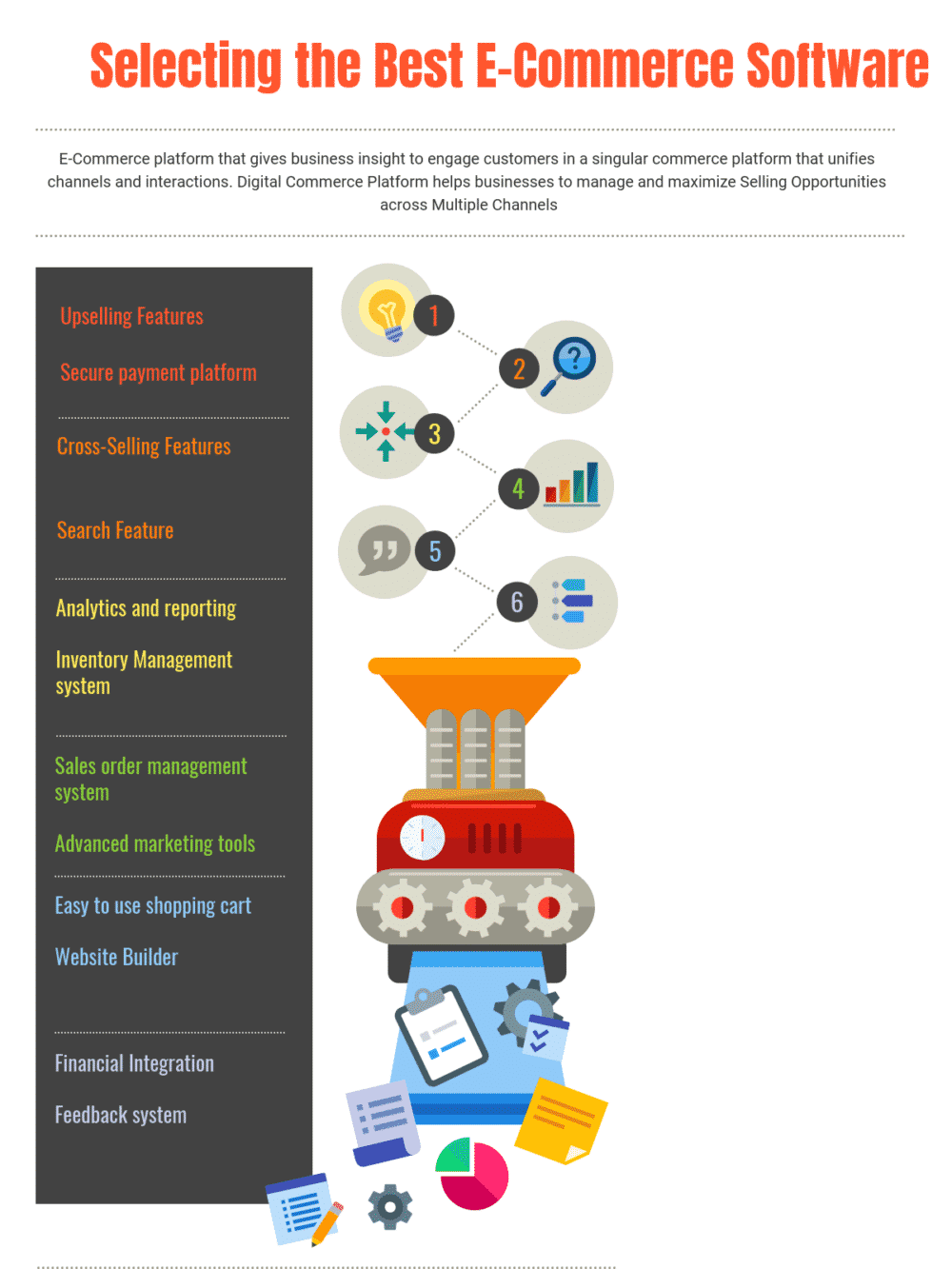
How to Choose the Right E-commerce Marketing Tools
When it comes to running a successful e-commerce business, having the right marketing tools is essential. But with so many options available, how do you choose the right ones for your specific needs? In this article, we will explore the key factors to consider when selecting e-commerce marketing tools and provide valuable insights to help you make an informed decision.
Understanding Your Business Needs
Before diving into the world of e-commerce marketing tools, it’s important to have a clear understanding of your business needs. Every business is unique, and what works for one may not necessarily work for another. Start by assessing your goals, target audience, and budget. Consider the size of your business and the specific marketing strategies you plan to implement. By having a clear picture of your requirements, you can narrow down your options and choose tools that align with your objectives.
Additionally, it’s crucial to evaluate your existing marketing efforts and identify any gaps or areas that need improvement. Are you struggling with social media management? Do you need help with email marketing automation? Understanding your pain points will guide you in selecting tools that address these specific challenges.
The Importance of User-Friendliness
When selecting e-commerce marketing tools, user-friendliness should be a top priority. After all, you want tools that are easy to navigate and use, even for those who may not have extensive technical knowledge. Look for tools with intuitive interfaces and clear instructions. Consider whether the tool offers comprehensive onboarding resources, such as tutorials, guides, or customer support, to help you make the most of its features.
Furthermore, it’s essential to consider the compatibility of the tools with your existing systems. Will they integrate seamlessly with your e-commerce platform or other software you use? Ensuring smooth integration will save you time and effort in the long run and allow for a more streamlined marketing process.
The Benefits of Automation
Automation is a game-changer when it comes to e-commerce marketing. It allows you to streamline repetitive tasks, save time, and improve efficiency. Look for tools that offer automation capabilities, such as email marketing automation, social media scheduling, and customer segmentation. These features will help you optimize your marketing efforts and ensure that you are reaching the right audience at the right time.
Automation also enables you to personalize your marketing campaigns. By collecting and analyzing customer data, you can create targeted and tailored messages that resonate with your audience. This level of personalization can lead to higher conversion rates and increased customer loyalty.
Key Considerations for Budgeting
When choosing e-commerce marketing tools, it’s essential to consider your budget. While investing in high-quality tools is crucial, you also need to ensure that they align with your financial capabilities. Start by determining how much you are willing to spend on marketing tools and allocate your budget accordingly.
Consider the pricing models offered by different tools. Some may have a monthly subscription fee, while others may charge based on usage or offer a one-time payment option. Evaluate your needs and weigh the costs against the potential benefits. Remember, it’s not always about choosing the cheapest option but rather selecting tools that provide the best value for your investment.
Research and Compare
With a plethora of e-commerce marketing tools available, it’s important to conduct thorough research and compare your options. Read reviews and testimonials from other users to gain insights into the tool’s performance and customer satisfaction. Look for tools that have a proven track record and positive reputation within the industry.
Additionally, consider reaching out to industry experts or colleagues who have experience with e-commerce marketing tools. They may be able to provide valuable recommendations or share their personal experiences, helping you make an informed decision.
Conclusion
Choosing the right e-commerce marketing tools is crucial for the success of your business. By understanding your specific needs, prioritizing user-friendliness, embracing automation, considering your budget, and conducting thorough research, you can make an informed decision and select tools that will propel your e-commerce marketing efforts to new heights.
Key Takeaways: How do I choose the right e-commerce marketing tools?
- Understand your goals and objectives before choosing any e-commerce marketing tools.
- Research and compare different tools to find the right fit for your business.
- Consider your budget and the cost-effectiveness of the tools you are considering.
- Look for user-friendly tools with intuitive interfaces for ease of use.
- Read reviews and testimonials from other users to gauge the effectiveness and reliability of the tools.
Frequently Asked Questions
What factors should I consider when choosing e-commerce marketing tools?
When choosing e-commerce marketing tools, there are several factors you should consider. First, assess your specific marketing needs and goals. Are you looking to increase website traffic, improve conversion rates, or enhance customer engagement? Understanding your objectives will help you narrow down the tools that align with your goals.
Second, consider your budget. E-commerce marketing tools can vary greatly in price, so it’s important to determine how much you’re willing to invest. Keep in mind that some tools offer free trials or have tiered pricing plans, allowing you to start small and scale as your business grows.
Lastly, evaluate the features and functionality of the tools. Look for user-friendly interfaces, robust analytics capabilities, and integration options with other platforms and software. Additionally, read reviews and testimonials from other users to get a sense of the tool’s effectiveness and reliability.
Should I choose an all-in-one marketing tool or individual tools for specific tasks?
The decision between an all-in-one marketing tool or individual tools depends on your specific business needs and resources. All-in-one tools typically offer a wide range of marketing functionalities, such as email marketing, social media management, and SEO optimization, all within a single platform. They can be convenient and cost-effective, particularly for small businesses with limited resources or expertise in multiple areas.
On the other hand, individual tools for specific tasks can provide more specialized features and customization options. If you have a dedicated marketing team or prefer to have more control over each aspect of your marketing strategy, using separate tools might be a better fit. It allows you to choose the best tool for each specific task and tailor your marketing efforts accordingly.
Consider factors such as budget, scalability, and the complexity of your marketing needs when deciding between an all-in-one solution or individual tools. It’s also worth exploring whether different tools can integrate seamlessly with each other to create a cohesive marketing workflow.
What are some popular e-commerce marketing tools available in the market?
There are numerous e-commerce marketing tools available in the market, each offering unique features and functionalities. Some popular options include:
1. Social media management tools like Hootsuite and Buffer, which help you schedule and analyze your social media posts across multiple platforms.
2. Email marketing platforms such as Mailchimp and Constant Contact, which allow you to create and send targeted email campaigns to your customers.
3. SEO tools like SEMrush and Moz, which help optimize your website for search engines and improve your organic search rankings.
4. Conversion rate optimization tools such as Optimizely and Hotjar, which enable you to test and optimize your website’s design and user experience to increase conversions.
5. Customer relationship management (CRM) software like HubSpot and Salesforce, which help you manage and track customer interactions, sales leads, and marketing campaigns.
These are just a few examples, and the right e-commerce marketing tools for your business will depend on your specific goals and requirements. It’s important to research and explore different options to find the tools that best suit your needs.
How can I determine the effectiveness of e-commerce marketing tools?
To determine the effectiveness of e-commerce marketing tools, it’s important to track and analyze key metrics. Start by setting specific goals and KPIs (Key Performance Indicators) that align with your marketing objectives. For example, if you’re looking to increase website traffic, track metrics such as unique visitors, page views, and bounce rate.
Most e-commerce marketing tools offer built-in analytics features that allow you to monitor and analyze relevant data. Utilize these features to gain insights into the performance of your marketing campaigns. Look for metrics such as conversion rates, click-through rates, and engagement metrics to assess the effectiveness of your tools.
Additionally, consider conducting A/B testing or split testing to compare the performance of different tools or marketing strategies. This involves testing two versions of a webpage or campaign element to see which one performs better. By analyzing the results of these tests, you can make data-driven decisions and optimize your marketing efforts accordingly.
Are there any free e-commerce marketing tools available?
Yes, there are several free e-commerce marketing tools available that can help you enhance your marketing efforts without breaking the bank. Some popular free tools include:
1. Google Analytics: This tool allows you to track website traffic, user behavior, and conversion rates. It provides valuable insights into your audience and the effectiveness of your marketing campaigns.
2. Mailchimp Free Plan: Mailchimp offers a free plan that allows you to send up to 10,000 emails per month to a limited number of subscribers. It’s a great option for small businesses looking to get started with email marketing.
3. Canva: Canva is a graphic design tool that offers a free version with a wide range of templates and design elements. It’s perfect for creating eye-catching visuals for your marketing materials.
4. Buffer Free Plan: Buffer allows you to schedule and manage social media posts across multiple platforms. Their free plan allows you to schedule up to 10 posts at a time, making it a useful tool for small businesses with limited social media needs.
While these free tools offer valuable features, it’s important to note that they may have limitations compared to their paid counterparts. Assess your specific needs and consider whether the free versions provide enough functionality for your e-commerce marketing strategy.
The Ultimate eCommerce Marketing Strategy Guide (Seriously)
Final Thoughts
After exploring the world of e-commerce marketing tools and learning how to choose the right ones for your business, it’s clear that there are several key factors to consider. From understanding your specific goals and budget to evaluating the features and integrations offered by different tools, the decision-making process may seem overwhelming at first. However, with a strategic approach and a deep understanding of your business needs, you can make an informed choice that will propel your e-commerce venture to new heights.
Remember, the right e-commerce marketing tools will not only streamline your operations but also help you reach your target audience effectively. Whether it’s email marketing, social media management, or SEO optimization, each tool plays a crucial role in enhancing your online presence and driving sales. So, take your time, do your research, and select the tools that align with your business goals and aspirations. With the right combination of tools in your arsenal, you’ll be well-equipped to navigate the competitive world of e-commerce and achieve long-term success.
In conclusion, choosing the right e-commerce marketing tools is a vital step in maximizing your online business’s potential. By considering factors such as your goals, budget, features, and integrations, you can make an informed decision that will propel your business forward. So, get ready to take your e-commerce venture to new heights with the power of the right marketing tools at your disposal. Happy marketing!