
Looking to take your marketing strategy to the next level? Well, you’re in luck because I’m here to spill the beans on how to build an influencer marketing strategy that will have your brand skyrocketing to success! Influencer marketing has become a powerful tool in the world of digital advertising, allowing brands to tap into the vast reach and influence of social media personalities. But how exactly do you go about creating an effective strategy that will yield tangible results? Let’s dive in and uncover the secrets of successful influencer marketing!
First things first, let’s talk about identifying your target audience. Who are the people you want to reach and engage with? Understanding your audience is crucial in selecting the right influencers who will resonate with them. Once you have a clear picture of your target market, it’s time to find the perfect influencers who align with your brand values and have a strong presence in your niche. Look for influencers who have an engaged following and whose content is relevant to your industry. Remember, it’s all about finding that perfect match!
Now that you’ve found your influencer soulmates, it’s time to create compelling content that will captivate your audience. Collaboration is key here. Work closely with your chosen influencers to co-create content that seamlessly integrates your brand message while maintaining their authentic voice. This is where the magic happens! By leveraging the creativity and expertise of influencers, you can create content that not only promotes your brand but also resonates with your target audience. So, get ready to sit back and watch your brand’s influence soar as you master the art of building an influencer marketing strategy!
Building an effective influencer marketing strategy requires careful planning and execution. Here’s a step-by-step tutorial on how to do it:
- Define your goals: Determine what you want to achieve with influencer marketing.
- Identify your target audience: Understand who your ideal customers are and find influencers who align with their interests.
- Research and vet influencers: Look for influencers who have a genuine following and align with your brand values.
- Set clear expectations: Communicate your goals, deliverables, and guidelines to the influencers.
- Create engaging content: Collaborate with influencers to develop compelling content that resonates with your audience.
- Track and measure results: Monitor the performance of your influencer campaigns and make data-driven decisions for optimization.
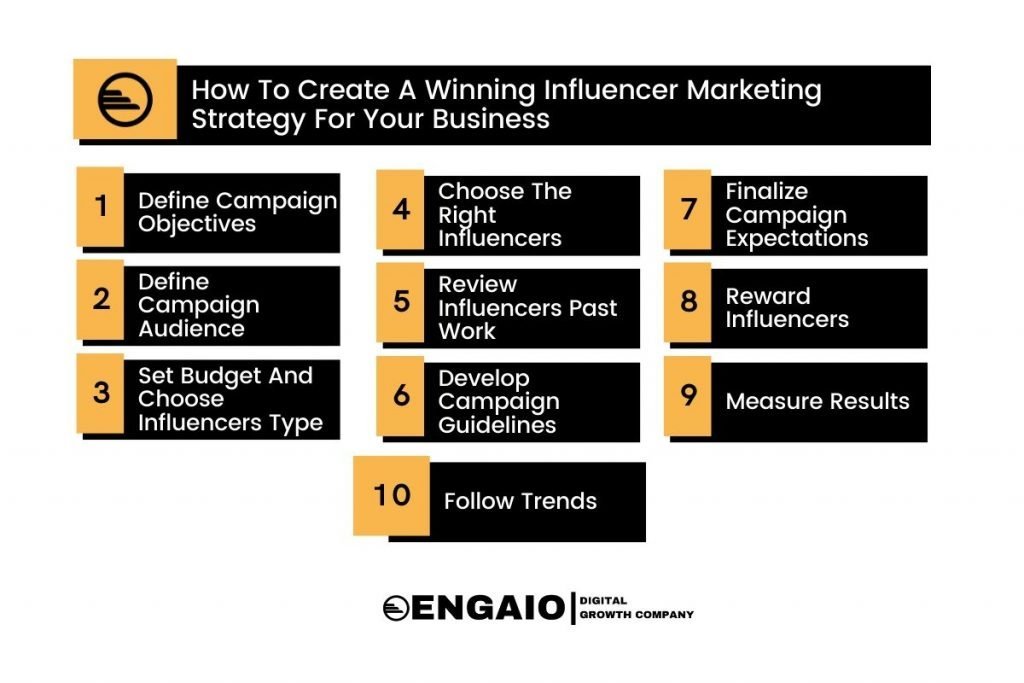
Building an Influencer Marketing Strategy: A Step-by-Step Guide
In today’s digital age, influencer marketing has become an essential strategy for businesses to reach their target audience and drive brand awareness. By partnering with influential individuals who have a significant following on social media, brands can leverage their influence to promote their products or services. However, building an effective influencer marketing strategy requires careful planning and execution. In this article, we will provide you with a step-by-step guide on how to build an influencer marketing strategy that delivers results.
Step 1: Define Your Goals and Objectives
Before diving into influencer marketing, it is crucial to define your goals and objectives. What do you hope to achieve through influencer collaborations? Are you looking to increase brand awareness, drive website traffic, or boost sales? Clearly outlining your goals will help you determine the type of influencers you should collaborate with and the metrics you should track to measure success.
Identifying Your Target Audience
To effectively reach your target audience, you need to identify who they are. Conduct market research to understand the demographics, interests, and behaviors of your target audience. This information will help you select influencers who align with your audience’s interests and have a genuine connection with them.
Choosing the Right Influencers
Once you know your target audience, it’s time to find the right influencers to collaborate with. Look for influencers who have a strong following within your target demographic and whose content aligns with your brand values. Consider factors such as engagement rate, authenticity, and relevance to ensure a successful partnership.
Step 2: Research and Identify Potential Influencers
Now that you have a clear understanding of your goals and target audience, it’s time to research and identify potential influencers. Start by exploring social media platforms where your audience is most active, such as Instagram, YouTube, or TikTok. Use search tools and hashtags relevant to your industry to find influencers who create content that resonates with your target audience.
Engagement and Authenticity
When evaluating potential influencers, pay attention to their engagement rate and authenticity. High engagement indicates that their followers are actively interested in their content, making them more likely to respond positively to your brand’s message. Authenticity is also crucial as it ensures that the influencer’s audience trusts their recommendations and opinions.
Content Quality and Brand Alignment
Take the time to review the influencer’s content quality and ensure that it aligns with your brand image. Look for influencers who produce high-quality, visually appealing content that reflects your brand’s values and aesthetics. It’s essential to collaborate with influencers who naturally integrate your products or services into their content, rather than those who seem forced or inauthentic.
Step 3: Build Relationships and Collaborate
Once you have identified potential influencers, it’s time to build relationships and initiate collaborations. Approach influencers with a personalized message that highlights why you believe they would be a great fit for your brand. Be transparent about your goals and offer a mutually beneficial partnership that provides value to both parties.
Compensation and Contracts
When negotiating collaborations with influencers, discuss compensation and clearly define expectations and deliverables. Compensation can range from monetary payment to product gifting or a combination of both. Ensure that you have a written contract in place that outlines the terms of the collaboration, including content creation, timeline, and usage rights.
Content Creation and Approval
Collaborate closely with the influencer during the content creation process. Provide clear guidelines and brand assets to maintain consistency with your brand’s messaging and visual identity. However, also give influencers creative freedom to showcase your product or service in an authentic and engaging way. Review and approve the content before it is published to ensure it meets your brand standards.
Step 4: Track and Measure Performance
To determine the success of your influencer marketing campaigns, it’s essential to track and measure performance. Use analytics tools provided by the social media platforms or third-party software to monitor key metrics such as reach, engagement, conversions, and return on investment (ROI). Analyzing the data will help you optimize future campaigns and make data-driven decisions.
Key Metrics to Track
Some key metrics to track when evaluating influencer marketing performance include:
1. Reach: The number of unique users who have seen the influencer’s content.
2. Engagement: The level of interaction and engagement (likes, comments, shares) generated by the influencer’s content.
3. Conversions: The number of users who took a specific action, such as making a purchase or signing up for a newsletter, as a result of the influencer’s promotion.
4. ROI: The return on investment, calculated by comparing the revenue generated from the campaign to the cost of the collaboration.
Optimization and Iteration
Based on the performance data, identify what worked well and what can be improved in your influencer marketing strategy. Optimize future campaigns by leveraging insights gained from previous collaborations. Experiment with different influencers, content formats, and messaging to find the most effective approach for your brand.
By following these steps and continuously refining your strategy, you can build a successful influencer marketing strategy that helps you achieve your brand’s goals. Remember, building relationships with influencers and providing value to their audience should be at the core of your strategy. Embrace the power of influencer marketing and watch your brand thrive in the digital landscape.
Key Takeaways: How to Build an Influencer Marketing Strategy?
- Identify your target audience and their preferences.
- Research and find relevant influencers in your niche.
- Establish clear goals and objectives for your campaign.
- Create engaging and authentic content with influencers.
- Measure and analyze the success of your influencer marketing strategy.
Frequently Asked Questions
1. What are the key steps to building an influencer marketing strategy?
Building an effective influencer marketing strategy involves several key steps:
First, define your goals and objectives. Determine what you hope to achieve through influencer marketing, whether it’s increasing brand awareness, driving sales, or reaching a specific target audience.
Next, identify your target audience and the influencers that align with your brand values and target demographic. Conduct thorough research to find influencers who have a genuine connection with their followers and whose content resonates with your brand.
Once you’ve identified potential influencers, establish clear guidelines and expectations for your collaborations. Clearly communicate your brand message, desired outcomes, and any specific content requirements.
Finally, measure and analyze the results of your influencer campaigns. Track key metrics such as engagement, reach, and conversions to determine the success of your strategy and make adjustments as needed.
2. How do I find the right influencers for my brand?
Finding the right influencers for your brand involves a combination of research and analysis:
Start by defining your target audience and understanding their interests, preferences, and online behavior. This will help you identify the types of influencers that are most likely to resonate with your audience.
Next, use social media platforms, influencer marketing platforms, and Google searches to discover potential influencers. Look for influencers who have a significant following, high engagement rates, and content that aligns with your brand values.
Once you’ve compiled a list of potential influencers, analyze their content, audience demographics, and engagement metrics. Look for influencers who have an authentic and engaged following, rather than those with inflated follower counts.
Consider reaching out to influencers directly to discuss potential collaborations and gauge their interest in working with your brand. Building relationships with influencers takes time, so be patient and persistent in your outreach efforts.
3. How important is it to set clear guidelines for influencer collaborations?
Setting clear guidelines for influencer collaborations is crucial for ensuring that your brand message is effectively communicated and that the content produced aligns with your objectives:
Clear guidelines help influencers understand your brand values, desired outcomes, and any specific content requirements. This ensures that the content they create is authentic and resonates with their audience while still promoting your brand in a meaningful way.
Guidelines also help maintain consistency across different influencer collaborations, reinforcing your brand identity and creating a cohesive brand experience for your audience.
Additionally, clear guidelines help manage expectations and prevent any miscommunication or misunderstandings between your brand and the influencer. This promotes a positive working relationship and increases the likelihood of a successful collaboration.
4. How can I measure the success of my influencer marketing campaigns?
Measuring the success of your influencer marketing campaigns requires tracking and analyzing key metrics:
First, establish clear goals and objectives for each campaign. This could include metrics such as engagement rate, reach, conversions, or brand mentions. Having specific goals will help you determine whether the campaign was successful or not.
Next, use analytics tools provided by social media platforms, influencer marketing platforms, or third-party tools to track the performance of your campaigns. Monitor metrics such as likes, comments, shares, click-through rates, and conversions to gauge the effectiveness of the influencer collaborations.
It’s also important to compare the results of your influencer campaigns to your overall marketing efforts. Look for any significant increases in brand awareness, website traffic, or sales that can be attributed to the influencer collaborations.
5. How can I optimize my influencer marketing strategy for better results?
To optimize your influencer marketing strategy for better results, consider the following tips:
First, continuously analyze and refine your target audience. As consumer preferences and behaviors evolve, it’s important to stay up-to-date and adapt your influencer selection accordingly.
Experiment with different types of influencers and content formats to find what resonates best with your audience. Test different messaging, visuals, and calls-to-action to optimize engagement and conversions.
Collaborate with influencers on long-term partnerships rather than one-off campaigns. Building ongoing relationships with influencers can increase authenticity and loyalty, leading to better results over time.
Finally, regularly monitor and analyze the performance of your influencer campaigns. Look for patterns and trends in the data to identify areas for improvement and make data-driven decisions for future collaborations.
How To Launch An INFLUENCER MARKETING CAMPAIGN in 7 Simple Steps (Strategy, Outreach and Examples)
Final Summary: How to Build an Influencer Marketing Strategy
Congratulations! You’ve reached the end of our guide on building an influencer marketing strategy. By now, you should have a solid understanding of the key steps and considerations involved in creating a successful campaign. Let’s quickly recap the main points covered.
First and foremost, identifying your goals and target audience is crucial. Without a clear vision of what you want to achieve and who you want to reach, your strategy can easily veer off course. Remember, specificity is key here. The more you know about your objectives and target audience, the better you can tailor your approach.
Once you have a clear direction in mind, it’s time to start searching for the perfect influencers. Look for individuals who align with your brand values and have an engaged and relevant following. Collaborating with the right influencers can help you amplify your message and connect with your target audience on a deeper level.
Next, develop a comprehensive plan that outlines your campaign objectives, budget, content strategy, and measurement metrics. This will serve as your roadmap throughout the campaign and keep you on track. Don’t forget to consider the regulatory guidelines and legal requirements surrounding influencer marketing to ensure compliance.
Now that you have your plan in place, it’s time to execute and monitor your campaign. Remember to maintain open communication with your influencers and provide them with the necessary resources and guidance. Regularly track the performance of your campaign using analytics tools and make adjustments as needed to optimize your results.
In conclusion, building an influencer marketing strategy requires careful planning, research, and continuous evaluation. By following the steps outlined in this guide, you’ll be well-equipped to create impactful campaigns that resonate with your target audience and drive meaningful results for your brand. Good luck on your influencer marketing journey!