
If you’re looking to take your marketing strategy to the next level, webinars are the way to go! In this article, we’ll dive deep into the world of webinar marketing and explore how to create a successful strategy that will captivate your audience and drive results. So, grab a cup of coffee and get ready to learn the ins and outs of webinar marketing like a pro!
When it comes to creating a successful webinar marketing strategy, there are a few key elements to consider. First and foremost, you need to define your goals. What do you want to achieve with your webinars? Whether it’s generating leads, increasing brand awareness, or educating your audience, having a clear objective in mind will help shape your entire strategy. Next, you’ll want to identify your target audience. Who are you trying to reach with your webinars? Understanding your audience’s needs, interests, and pain points will allow you to tailor your content and delivery to resonate with them on a deep level.
Now that we’ve covered the basics, it’s time to dive into the nitty-gritty details of creating a successful webinar marketing strategy. From choosing the right platform to promoting your webinars, we’ll explore all the steps you need to take to ensure your webinars are a hit. So, buckle up and get ready to become a webinar marketing superstar!
How to Create a Successful Webinar Marketing Strategy?
Creating a successful webinar marketing strategy requires careful planning and execution. Here are the steps to follow:
- Define your goals and target audience.
- Choose a webinar platform that suits your needs.
- Create compelling content that provides value to your audience.
- Promote your webinar through various channels, such as social media and email marketing.
- Engage with your audience during the webinar and encourage participation.
- Follow up with attendees after the webinar to nurture leads and gather feedback.
By following these steps, you can create an effective webinar marketing strategy that drives engagement and generates leads for your business.
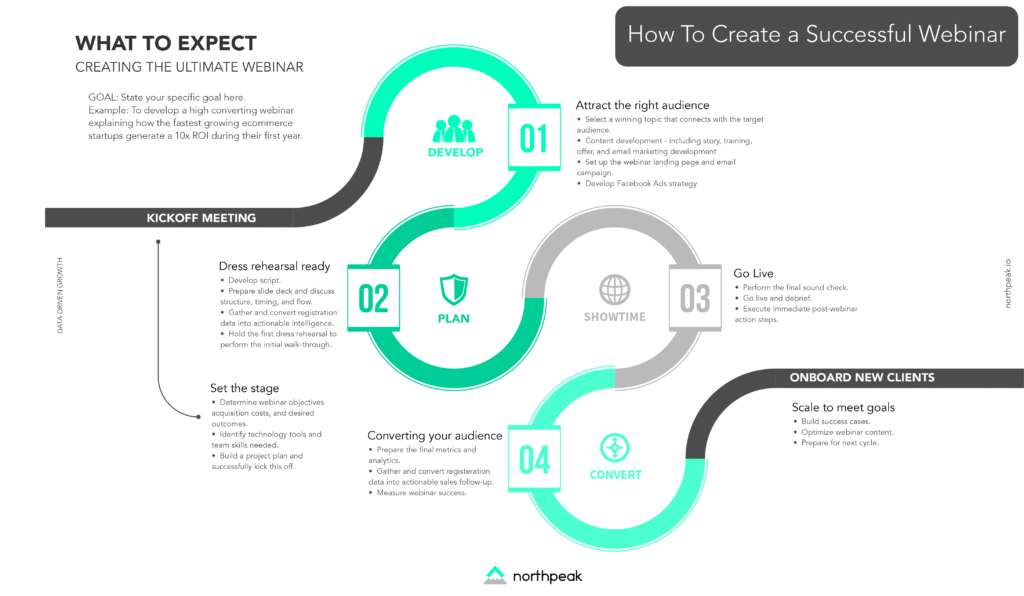
How to Create a Successful Webinar Marketing Strategy: A Comprehensive Guide
Webinars have become an essential tool for businesses to connect with their audience, generate leads, and establish thought leadership. A well-executed webinar can be a game-changer for your marketing strategy, but it requires careful planning and execution. In this article, we will walk you through the steps to create a successful webinar marketing strategy that will engage your audience and drive results.
Understanding Your Audience and Setting Goals
Before diving into the logistics of creating a webinar, it’s crucial to understand your target audience and define your goals. Who are you trying to reach with your webinar? What are their pain points and interests? By identifying your audience’s needs, you can tailor your webinar content to provide value and resonate with them.
Once you have a clear understanding of your audience, set specific goals for your webinar. Are you looking to generate leads, increase brand awareness, or establish thought leadership? Setting clear goals will help you measure the success of your webinar and guide your strategy moving forward.
Researching and Planning Your Content
Research is the foundation of any successful webinar. Take the time to explore your chosen topic thoroughly and gather valuable insights and data. Look for industry trends, case studies, and expert opinions that can enrich your content and make it more compelling.
Based on your research, outline the structure and flow of your webinar. Start with a captivating introduction that grabs your audience’s attention and clearly states the value they will gain from attending. Break down your content into logical sections, ensuring a smooth transition between topics. Incorporate visuals, such as slides or videos, to enhance engagement and understanding.
Choosing the Right Webinar Platform
Selecting the right webinar platform is crucial for a seamless and successful event. Consider factors such as the number of attendees you expect, the level of interactivity you desire, and the technical features you need. Look for platforms that offer features like live chat, polling, and screen sharing to create an engaging and interactive experience for your audience.
Additionally, ensure that the platform integrates well with your existing marketing tools, such as your CRM or email marketing software. This will allow you to efficiently capture leads and nurture them throughout the buyer’s journey.
Promoting Your Webinar
No matter how valuable your webinar is, it won’t be successful without proper promotion. Develop a multi-channel marketing plan to ensure maximum reach and engagement.
Start by creating a compelling landing page dedicated to your webinar. Highlight the key benefits and takeaways, include testimonials or endorsements, and make registration simple and straightforward. Optimize the landing page for SEO to increase its visibility in search engine results.
Utilize your existing marketing channels, such as email newsletters and social media platforms, to promote your webinar. Craft persuasive copy that highlights the value of attending and includes a clear call-to-action. Consider creating teaser content, such as blog posts or short videos, to generate excitement and anticipation.
Engaging Your Audience during the Webinar
During the webinar, it’s essential to keep your audience engaged and actively participating. Incorporate interactive elements such as live polls, Q&A sessions, and chat features to encourage audience interaction. This not only makes the webinar more enjoyable for attendees but also provides valuable insights and feedback for your business.
Maintain a conversational tone throughout the webinar and avoid reading directly from a script. Be authentic and enthusiastic about the topic, and use storytelling techniques to captivate your audience. Incorporate real-life examples and case studies to illustrate your points and make the content relatable.
Following Up and Measuring Success
Once the webinar is over, your job is not done. Follow up with attendees and non-attendees alike to nurture the leads generated and gather feedback. Send a thank-you email to attendees, providing them with a recording of the webinar and any additional resources mentioned during the session. For non-attendees, offer a chance to watch the recording and engage with the content.
Measure the success of your webinar by analyzing key metrics such as attendance rate, engagement rate, and lead conversion rate. Use this data to identify areas of improvement for future webinars and optimize your overall marketing strategy.
In conclusion, creating a successful webinar marketing strategy requires careful planning, engaging content, and effective promotion. By understanding your audience, setting clear goals, and utilizing the right tools, you can create webinars that drive results and establish your brand as a thought leader in your industry. Keep refining your strategy based on feedback and data, and you’ll see your webinar program thrive.
Key Takeaways: How to create a successful webinar marketing strategy?
- Understand your target audience and their needs.
- Create compelling and relevant webinar content.
- Promote your webinar through various channels.
- Engage with your audience during the webinar.
- Follow up with attendees and track your results.
Frequently Asked Questions
What are the key steps to creating a successful webinar marketing strategy?
Creating a successful webinar marketing strategy involves several key steps:
1. Define your goals: Start by clearly defining what you want to achieve with your webinar. Are you looking to generate leads, promote a product or service, or educate your audience?
2. Identify your target audience: Understand who your target audience is and what their needs and interests are. This will help you tailor your webinar content to resonate with them.
3. Plan your content: Develop a compelling and engaging webinar content plan. Outline the main topics you will cover, create an agenda, and consider incorporating interactive elements such as polls, quizzes, or Q&A sessions.
4. Choose the right platform: Select a reliable webinar hosting platform that offers features like registration, live streaming, recording, and analytics. Consider factors such as ease of use, scalability, and integration with other marketing tools.
5. Promote your webinar: Use various marketing channels like social media, email marketing, and your website to promote your webinar. Create enticing visuals, compelling copy, and highlight the value attendees will gain from participating.
How can I engage my audience during a webinar?
Engaging your audience during a webinar is crucial for its success. Here are a few strategies to keep your audience engaged:
1. Start with a strong introduction: Grab your audience’s attention from the beginning by sharing an interesting fact, asking a thought-provoking question, or sharing a personal story related to the topic.
2. Use interactive elements: Incorporate interactive elements like polls, quizzes, and Q&A sessions to encourage active participation from your audience. This not only keeps them engaged but also provides valuable insights.
3. Tell stories and use visuals: Use storytelling techniques to make your content more relatable and memorable. Support your presentation with relevant visuals such as images, graphs, or videos to enhance understanding and engagement.
4. Encourage audience interaction: Create opportunities for your audience to interact with you and each other. Encourage them to ask questions, share their opinions in chat, or participate in group discussions.
5. Provide valuable takeaways: Ensure that your webinar delivers valuable information and actionable insights to your audience. Offer downloadable resources, exclusive discounts, or follow-up materials that further enhance their experience.
How can I measure the success of my webinar marketing strategy?
Measuring the success of your webinar marketing strategy is essential to understand its impact and make improvements. Here are some key metrics to consider:
1. Registration rate: Measure the percentage of people who registered for your webinar compared to the total number of people who visited your registration page.
2. Attendee rate: Calculate the percentage of registered attendees who actually joined the webinar. This metric gives you an idea of how effective your promotion and communication efforts were in attracting participants.
3. Engagement rate: Monitor the level of engagement during the webinar, such as the number of questions asked, polls answered, and interactions in the chat. This indicates how well your content resonated with your audience.
4. Conversion rate: If one of your goals is to generate leads or sales, measure the conversion rate of webinar attendees into leads or customers. Track the number of sign-ups, purchases, or other desired actions taken by attendees after the webinar.
5. Feedback and testimonials: Gather feedback from attendees through surveys or post-webinar evaluations. Positive testimonials and reviews can indicate the success of your webinar in meeting the audience’s expectations.
How can I promote my webinar effectively?
To promote your webinar effectively, consider the following strategies:
1. Utilize social media: Leverage social media platforms to spread the word about your webinar. Create eye-catching posts, use relevant hashtags, and encourage your followers to share the event with their networks.
2. Email marketing: Send targeted email campaigns to your existing subscribers and leads. Craft compelling subject lines, include a clear call-to-action, and highlight the value attendees will gain from participating.
3. Collaborate with influencers: Partner with influencers or industry experts who have a relevant audience. They can help promote your webinar to their followers, increasing your reach and credibility.
4. Create engaging content: Develop blog posts, videos, or infographics that provide a sneak peek into your webinar content. Share these on your website, social media, and other platforms to generate interest and build anticipation.
5. Leverage your network: Reach out to your professional network, colleagues, and partners, and ask them to share information about your webinar with their contacts. Word-of-mouth promotion can be highly effective in reaching a wider audience.
How can I make my webinar stand out from others?
To make your webinar stand out from others, consider these tips:
1. Unique topic or angle: Choose a topic that is not commonly covered or offer a fresh perspective on a popular subject. This will attract attendees who are looking for something different.
2. Engaging visuals and multimedia: Use high-quality visuals, videos, and audio to enhance the visual appeal and overall experience of your webinar. Invest in professional-looking slides, graphics, and other multimedia elements.
3. Guest speakers or panel discussions: Invite industry experts or influential speakers to join your webinar. Their presence adds credibility and attracts a wider audience who are interested in hearing from them.
4. Interactive elements: Incorporate interactive elements like live polls, quizzes, or breakout sessions to actively involve your audience. This creates a more engaging and memorable experience.
5. Follow-up and nurture leads: After the webinar, follow up with attendees by sending them a recording of the webinar, additional resources, or exclusive offers. Nurturing these leads can help build long-term relationships and increase the chances of conversion.
5 steps for a successful webinar strategy
Final Summary: Creating a Winning Webinar Marketing Strategy
Now that you’ve learned the ins and outs of creating a successful webinar marketing strategy, it’s time to put your newfound knowledge into action. By following these essential steps and incorporating the right elements, you’ll be well on your way to hosting engaging and impactful webinars that drive results.
First and foremost, remember that preparation is key. Take the time to research your target audience and understand their pain points and desires. This will allow you to tailor your webinar content to their specific needs, making it more compelling and valuable to them. Additionally, make sure to invest in high-quality equipment and software to ensure a seamless and professional webinar experience.
Next, focus on promoting your webinars effectively. Utilize various marketing channels, such as social media, email campaigns, and blog posts, to generate buzz and attract attendees. Don’t forget to optimize your webinar landing page with relevant keywords and compelling copy to boost its visibility in search engine results.
During your webinar, engage your audience by being interactive and personable. Encourage participation through live polls, Q&A sessions, and chat features. This not only keeps attendees actively involved but also creates a sense of community and connection. Remember to provide valuable and actionable insights, leaving your audience with something they can apply or learn from.
Finally, after your webinar is over, don’t let the momentum fade away. Follow up with attendees by sending a thank-you email, providing them with a recording of the webinar, or offering exclusive resources. This helps to nurture the relationship you’ve built and keeps your audience engaged with your brand even after the event.
In conclusion, creating a successful webinar marketing strategy requires careful planning, promotion, engagement, and follow-up. By implementing these strategies and continuously improving your approach, you’ll be able to leverage webinars as a powerful tool for driving brand awareness, generating leads, and establishing yourself as an authority in your industry. So, go ahead and start crafting your winning webinar marketing strategy today!