
In this digital age, influencers have become a powerful force in marketing and advertising. Brands are eager to collaborate with influencers who can promote their products or services to a wide audience. However, with the rise of influencer marketing, the issue of authenticity has come to the forefront. How can we measure the authenticity of influencers and ensure that their recommendations are genuine?
Authenticity is a key factor in influencer marketing. It’s not just about the number of followers or likes an influencer has, but rather the trust and credibility they have built with their audience. We want to ensure that the influencers we work with are truly passionate about the products they promote and have an authentic connection with their followers. So, how can we measure this authenticity? Let’s dive in and explore some strategies to gauge the true influence of these digital tastemakers.
To measure the authenticity of influencers, follow these steps:
- Check their engagement rate on social media platforms like Instagram, Twitter, and YouTube.
- Look for genuine comments and interactions from their followers.
- Research their past collaborations to see if they align with their brand values.
- Consider their content quality and consistency.
- Pay attention to their transparency and disclosure practices.
Remember, authenticity goes beyond follower count, so thorough evaluation is crucial.
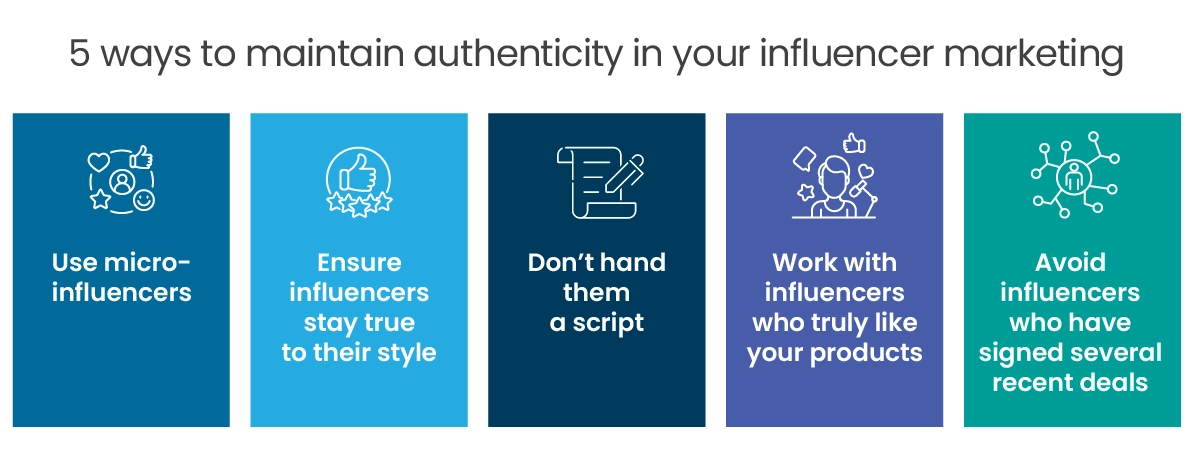
How to Measure the Authenticity of Influencers?
In today’s digital era, influencers play a significant role in shaping consumer behavior and brand perception. However, with the rise of influencer marketing, the authenticity of these influencers has come under scrutiny. As a result, brands and marketers need to have a reliable method to measure the authenticity of influencers before partnering with them. In this article, we will explore various strategies and techniques to assess the authenticity of influencers, ensuring that your brand aligns with genuine and trustworthy individuals.
1. Analyzing Engagement Metrics
When evaluating the authenticity of an influencer, one of the first steps is to analyze their engagement metrics. While follower count is important, it doesn’t necessarily equate to a high level of engagement. Look for influencers who have a high number of likes, comments, and shares on their posts. This indicates that their audience is actively engaging with their content and finding value in it. Additionally, pay attention to the quality of engagement. Are the comments genuine and relevant, or do they seem generic and spammy? Authentic influencers tend to have meaningful interactions with their audience.
Another important engagement metric to consider is the influencer’s follower growth rate. Rapid spikes in follower count can be a red flag, indicating the use of fake followers or engagement bots. Look for steady and organic growth over time, as this is a sign of genuine influence.
Engagement Metrics vs. Follower Count
While follower count is often seen as a measure of an influencer’s reach, engagement metrics provide a deeper understanding of their impact. It’s important to prioritize quality over quantity when selecting influencers for your brand partnerships. An influencer with a smaller but highly engaged audience can have a more significant impact on your target market compared to someone with a large following but low engagement.
2. Content Authenticity and Relevance
Authentic influencers create content that resonates with their audience and reflects their genuine interests and values. When assessing an influencer’s authenticity, take a close look at the type of content they produce. Is it consistent with their niche or area of expertise? Do they promote products or services that align with their personal brand? Authentic influencers prioritize the quality and relevance of their content over promotional opportunities.
Additionally, consider the level of transparency and honesty in their posts. Do they disclose sponsored content openly? Transparency is a crucial aspect of authenticity in influencer marketing. Genuine influencers are transparent about their partnerships and clearly differentiate between sponsored and organic content.
Aligning Brand Values with Influencers
To ensure the authenticity of your influencer partnerships, it’s essential to align your brand values with those of the influencers you collaborate with. Look for influencers whose values and beliefs align with your brand’s mission and purpose. This alignment will not only enhance the authenticity of the partnership but also create a more organic connection with the influencer’s audience.
3. Reputation and Credibility
An influencer’s reputation and credibility are vital when measuring their authenticity. Research their background, previous collaborations, and any controversies associated with their name. Look for influencers who have built a positive reputation within their industry and have a track record of delivering high-quality content and maintaining ethical practices.
Furthermore, consider the influencer’s expertise and authority in their niche. Are they recognized as a thought leader or expert in their field? Influencers who have established themselves as credible sources of information are more likely to have an authentic following and a higher level of trust from their audience.
Building Trust through Authenticity
Authenticity is the foundation of trust in influencer marketing. By partnering with influencers who have a solid reputation and credibility, you can build trust with your target audience. Consumers are more likely to engage with brands that collaborate with authentic influencers, as they perceive these partnerships as genuine endorsements.
4. Audience Analysis
Understanding an influencer’s audience is crucial to determine their authenticity. Analyze their follower demographics, interests, and engagement patterns. Look for influencers whose audience aligns with your target market. If an influencer’s audience consists of fake or irrelevant followers, their authenticity and effectiveness may be compromised.
Additionally, assess the level of engagement from the influencer’s audience. Are their followers actively participating in discussions and sharing their content? High levels of engagement indicate a genuine and committed audience.
Authenticity vs. Reach
While reach is an important factor to consider when selecting influencers, authenticity should never be compromised for a larger audience. It’s better to work with influencers who have a smaller but engaged and authentic audience, as they are more likely to have a genuine impact on their followers.
Conclusion
Measuring the authenticity of influencers is crucial for brands and marketers to ensure the success and effectiveness of their influencer marketing campaigns. By analyzing engagement metrics, assessing content authenticity and relevance, considering reputation and credibility, and conducting audience analysis, you can make informed decisions when selecting influencers for your brand partnerships. Remember, authenticity is the key to building trust and establishing meaningful connections with your target audience.
Key Takeaways: How to Measure the Authenticity of Influencers?
- Look for consistent and genuine content that aligns with the influencer’s niche.
- Check the engagement rate and quality of the influencer’s followers.
- Research the influencer’s past collaborations and partnerships.
- Consider the influencer’s reputation within their industry.
- Pay attention to the transparency and honesty of the influencer’s sponsored content.
Frequently Asked Questions:
Question 1: Why is it important to measure the authenticity of influencers?
Measuring the authenticity of influencers is crucial because it helps businesses make informed decisions when choosing to collaborate with influencers. In today’s digital age, influencer marketing has become a powerful tool for brands to reach their target audience. However, not all influencers are created equal. Some may have fake followers or engage in dishonest practices, which can harm the brand’s reputation. By measuring authenticity, businesses can ensure that they are partnering with influencers who genuinely align with their values and have an authentic following.
Furthermore, measuring authenticity allows businesses to assess the effectiveness of their influencer campaigns. By analyzing metrics such as engagement rates, audience demographics, and brand affinity, they can determine if the influencer’s audience is truly interested in their products or services. This data-driven approach helps optimize marketing strategies and maximize return on investment.
Question 2: What are the key indicators of influencer authenticity?
There are several key indicators that can help measure the authenticity of influencers. Firstly, engagement rate is a crucial metric to consider. Genuine influencers typically have a high engagement rate, meaning their followers actively interact with their content through likes, comments, and shares. A high engagement rate indicates that the influencer’s audience is genuinely interested in their content and more likely to trust their recommendations.
Secondly, audience demographics play a significant role in determining authenticity. An influencer’s followers should align with the target audience of the brand. For instance, if a brand primarily targets young adults, partnering with an influencer whose followers are mainly teenagers may not be effective. Analyzing the age, location, and interests of an influencer’s audience can provide valuable insights into their authenticity and relevance to the brand.
Question 3: How can you evaluate an influencer’s content quality?
Evaluating an influencer’s content quality is essential to ensure they can effectively convey the brand’s message and resonate with their audience. One way to assess content quality is by reviewing the influencer’s previous posts. Look for consistent branding, originality, and creativity in their content. High-quality visuals and well-crafted captions indicate that the influencer puts effort into creating engaging and authentic content.
Additionally, pay attention to the influencer’s storytelling ability. Authentic influencers often share personal stories and experiences that connect with their audience on a deeper level. Their content should be informative, entertaining, and relevant to their niche. By evaluating content quality, businesses can determine if the influencer’s style and tone align with their brand’s values and objectives.
Question 4: What role does transparency play in influencer authenticity?
Transparency is a vital aspect of influencer authenticity. Genuine influencers are transparent about their collaborations and clearly disclose any sponsored content. They should provide genuine recommendations and disclose when they have received compensation for promoting a product or service. Transparent influencers build trust with their audience, as they are open about their partnerships and maintain their integrity.
Businesses should also consider the influencer’s transparency in terms of follower count and engagement. Influencers who buy fake followers or use engagement pods to artificially boost their metrics are not authentic. Genuine influencers value organic growth and foster genuine connections with their audience. By looking for transparency, businesses can ensure they collaborate with influencers who are honest and have a genuine following.
Question 5: What tools can be used to measure influencer authenticity?
There are several tools available to measure influencer authenticity. One popular tool is Social Blade, which provides insights into an influencer’s follower growth, engagement rate, and audience demographics. It also allows businesses to compare influencers and track their performance over time.
Another useful tool is BuzzSumo, which helps identify influencers in specific niches and provides data on their content performance. It also offers insights into the influencer’s social media presence and engagement metrics. Additionally, platforms like HypeAuditor and NeoReach provide detailed influencer analytics, including information on follower quality, authenticity, and potential reach.
However, it’s important to note that while these tools can provide valuable data, they should be used in conjunction with manual research and analysis. Genuine authenticity cannot be solely determined by numbers, and it’s essential to thoroughly review an influencer’s content and engagement patterns to make a well-informed decision.
Final Summary: Evaluating the Authenticity of Influencers
In this digital age where influencers have become a powerful marketing tool, it is crucial to ensure their authenticity before partnering with them. By following a few key steps, you can measure the credibility and trustworthiness of influencers to make informed decisions.
Firstly, scrutinize the content they produce. Genuine influencers create high-quality and original content that resonates with their audience. Look for consistency in their messaging, engagement, and overall brand image. Authentic influencers prioritize building meaningful connections with their followers, and this is evident through genuine interactions and responses.
Next, delve into their follower base. While having a large following is desirable, it’s essential to assess the quality of their followers. Authentic influencers attract engaged and loyal audiences who actively interact with their content. Look for genuine comments, likes, and shares on their posts, as this indicates an organic following.
Furthermore, consider the influencer’s track record. Have they collaborated with reputable brands in the past? Do they adhere to ethical guidelines and disclose sponsored content? Authentic influencers are transparent about their partnerships and maintain a sense of integrity in their collaborations.
Lastly, utilize analytics tools to gain insights into an influencer’s performance. Look for consistent growth in their follower count, engagement rates, and reach. This data can help you determine whether an influencer’s success is organic or artificially inflated.
In conclusion, measuring the authenticity of influencers is essential for successful collaborations. By evaluating the quality of their content, the engagement of their followers, their track record, and their performance metrics, you can identify genuine influencers who will add value to your brand. Remember, in the world of influencer marketing, authenticity reigns supreme.