
In today’s digital world, influencers play a significant role in shaping trends and influencing consumer behavior. However, not all influencers are created equal. There is a growing concern about the presence of fake influencers and bot accounts that can manipulate engagement metrics and deceive both brands and followers. So, how do we separate the real from the fake? In this article, we will explore the strategies and techniques for identifying fake influencers and bot accounts, ensuring that you can make informed decisions when collaborating with influencers and engaging with their content.
One of the key indicators of a fake influencer is an unusually high number of followers and engagement compared to their content quality. While it’s not uncommon for influencers to have a large following, it’s important to analyze the engagement on their posts. Are the comments generic and repetitive? Do they receive an overwhelming number of likes without any real engagement? These could be signs of fake followers or bot accounts. Additionally, it’s crucial to assess the consistency and relevance of their content. Genuine influencers typically have a clear niche or area of expertise, and their content reflects that. If you come across an influencer with a scattered range of topics or inconsistent content quality, it’s worth investigating further to determine their authenticity.
By understanding the telltale signs and implementing the right strategies, you can protect yourself from falling into the trap of fake influencers and bot accounts. Whether you are a brand looking to collaborate with influencers or an individual seeking reliable content, being able to identify the real from the fake will help you make more informed decisions. So, let’s dive into the world of identifying fake influencers and bot accounts and equip ourselves with the knowledge needed to navigate the influencer landscape with confidence.
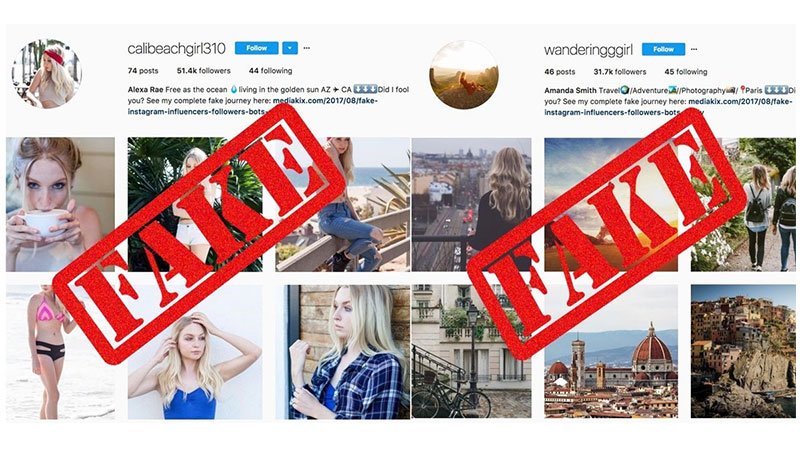
Identifying Fake Influencers and Bot Accounts
With the rise of social media and influencer marketing, it has become increasingly important to be able to identify fake influencers and bot accounts. These fraudulent accounts can deceive brands and businesses into thinking they are reaching a wider audience than they actually are. In this article, we will explore various methods and techniques to help you spot these fake influencers and bot accounts, allowing you to make informed decisions when it comes to your marketing strategies.
Understanding the Problem
Before we delve into the methods of identifying fake influencers and bot accounts, it is crucial to have a clear understanding of the problem at hand. Fake influencers are individuals who claim to have a large following and high engagement rates, but in reality, their audience consists mainly of fake accounts or inactive users. Bot accounts, on the other hand, are automated accounts that are programmed to perform certain actions on social media platforms, such as liking, following, or commenting. These accounts are often used to artificially inflate an influencer’s follower count or engagement metrics.
Identifying fake influencers and bot accounts is not only important for brands and businesses, but also for consumers. As a consumer, you want to make sure that the influencers you follow and engage with are genuine and trustworthy. By learning how to spot these fraudulent accounts, you can protect yourself from falling prey to scams or misleading information.
Signs of Fake Influencers
There are several telltale signs that can indicate a fake influencer. By keeping an eye out for these signs, you can quickly identify whether an influencer is legitimate or not.
1. Suspicious Follower-to-Engagement Ratio
A common characteristic of fake influencers is a high number of followers compared to their engagement rate. If an influencer has a large following but consistently low engagement on their posts (such as likes, comments, and shares), it could be an indication of fake followers or bot activity.
Another red flag to watch out for is a sudden spike in followers without a corresponding increase in engagement. This could mean that the influencer has purchased fake followers to boost their numbers artificially.
2. Lack of Authenticity
Authenticity is key when it comes to influencer marketing. Genuine influencers are passionate about their niche and provide valuable content to their audience. Fake influencers, on the other hand, often lack the expertise or knowledge in their claimed field and may simply be looking to make quick money or gain free products.
Pay attention to the quality of their content, the consistency of their message, and the level of engagement they have with their audience. If an influencer seems disinterested or disconnected from their followers, it might be a sign of inauthenticity.
Spotting Bot Accounts
In addition to fake influencers, bot accounts can also be a major problem on social media platforms. These automated accounts can be challenging to detect, but there are certain indicators that can help you identify them.
1. Unnatural Patterns of Engagement
One of the key characteristics of bot accounts is their unnatural patterns of engagement. They often exhibit repetitive behaviors, such as liking multiple posts within a short period or leaving generic comments that do not add value to the conversation. These actions are typically performed at a high frequency and can be a clear indicator of bot activity.
Another sign to watch out for is a sudden surge in followers or engagement that is inconsistent with the influencer’s usual growth rate. If an influencer’s metrics show drastic changes without a logical explanation, it is worth investigating further to determine if bot accounts are involved.
2. Lack of Personalization
Bot accounts are programmed to perform automated actions, which means they often lack personalization in their interactions. Generic comments, repetitive phrases, or irrelevant responses are all signs that the account may be a bot. Genuine influencers, on the other hand, take the time to engage with their audience on a more personal level, tailoring their responses to individual comments and messages.
Furthermore, bot accounts tend to have incomplete profiles or minimal content posted. They may have a limited number of photos or posts, and their bio information may be vague or generic. These indicators can help you differentiate between genuine influencers and bot accounts.
Protecting Your Brand and Reputation
Identifying fake influencers and bot accounts is crucial for protecting your brand and reputation. By working with genuine influencers who have an authentic following, you can ensure that your marketing efforts are reaching real people who are genuinely interested in your products or services.
Additionally, avoiding bot accounts can help you maintain a positive online presence. Engaging with real users and fostering genuine relationships can lead to increased brand loyalty and customer satisfaction.
Conclusion
Identifying fake influencers and bot accounts is an ongoing challenge in the world of influencer marketing. By staying vigilant and using the methods and techniques discussed in this article, you can protect yourself and your brand from falling victim to fraud. Remember to always prioritize authenticity and genuine engagement when working with influencers, as this will ensure a successful and effective marketing strategy.
Key Takeaways: Identifying fake influencers and bot accounts
- Be cautious of influencers with an unusually large following overnight.
- Look for engagement patterns – high follower count but low likes and comments.
- Check for suspicious comments or repetitive phrases on influencer posts.
- Use online tools to analyze influencer accounts for signs of bot activity.
- Verify influencer credibility by researching their background and past collaborations.
Frequently Asked Questions
Q1: How can I identify fake influencers?
Identifying fake influencers can be a challenging task, but there are a few key indicators to look out for. Firstly, examine the engagement on their social media posts. If the influencer has a high follower count but consistently low likes, comments, and shares, it could be a sign of fake followers. Additionally, check if their followers’ profiles seem genuine. Look for a diverse range of followers with active engagement on their own posts.
Another important factor is to evaluate the quality of their content. Fake influencers often have low-quality or inconsistent content, with poor grammar and spelling mistakes. Genuine influencers typically have a consistent and well-curated feed. Lastly, consider their credibility and brand partnerships. Legitimate influencers often collaborate with reputable brands, so research their previous collaborations to determine their authenticity.
Q2: What are some red flags for bot accounts on social media?
Identifying bot accounts on social media requires a keen eye for certain red flags. Firstly, check for unusual or repetitive patterns in their activity. Bots often have a predictable posting schedule, with posts being published at the same time every day. They may also have an excessive number of posts within a short timeframe.
Another red flag is the lack of personal information in their profiles. Bots typically have minimal bio descriptions and few or no personal photos. Moreover, pay attention to the engagement on their posts. If the comments are generic or unrelated to the content, it could be an indication of bot activity. Lastly, look out for a high follower count with low engagement, as this could suggest the presence of fake followers.
Q3: Are there any tools available to identify fake influencers and bot accounts?
Yes, there are several tools available that can help you identify fake influencers and bot accounts on social media. One popular tool is Social Blade, which provides insights into an influencer’s follower growth, engagement rates, and potential fake followers. Other tools like HypeAuditor and IG Audit also offer similar features to assess an influencer’s authenticity.
When it comes to identifying bot accounts, tools like Botometer and Bot Sentinel can be useful. These tools analyze an account’s activity, engagement patterns, and follower profiles to determine the likelihood of bot involvement. It’s important to remember that these tools are not foolproof, but they can provide valuable insights to aid in your evaluation.
Q4: What are the risks of engaging with fake influencers and bot accounts?
Engaging with fake influencers and bot accounts can have negative consequences for both individuals and brands. For individuals, following or engaging with fake influencers may lead to exposure to misleading or false information. It can also result in a loss of trust in the influencer community and undermine the credibility of genuine influencers.
Brands that collaborate with fake influencers risk damaging their reputation by associating themselves with fraudulent practices. This can lead to a loss of consumer trust and potential legal ramifications. Additionally, bot accounts can artificially inflate engagement metrics, misleading brands into believing they are reaching a larger audience than they actually are. It’s crucial to conduct thorough research and due diligence to avoid these risks.
Q5: How can I protect myself from fake influencers and bot accounts?
To protect yourself from fake influencers and bot accounts, it’s important to be vigilant and conduct thorough research. Start by analyzing an influencer’s engagement metrics and look for any suspicious patterns. Verify the authenticity of their followers by checking their profiles for genuine engagement and diverse demographics.
Additionally, take the time to review an influencer’s content quality and credibility. Look for consistent branding, high-quality visuals, and collaboration with reputable brands. When it comes to bot accounts, be cautious of accounts with minimal personal information and generic comments. Utilize the available tools mentioned earlier to gain additional insights and flag any potential red flags. By staying informed and proactive, you can minimize the risk of engaging with fake influencers and bot accounts.
Final Thoughts
After delving into the world of identifying fake influencers and bot accounts, it is clear that this is a pressing issue in the realm of social media. With the increasing popularity and influence of influencers, it has become crucial to ensure that we are following genuine individuals who can provide authentic value. Thankfully, there are effective strategies and tools available to help us navigate through this murky landscape.
One key takeaway is the importance of scrutinizing an influencer’s engagement metrics. Comments, likes, and shares can provide valuable insights into the authenticity of their following. Additionally, utilizing specialized software and platforms can aid in identifying potential bot accounts or fake followers. By carefully analyzing these indicators, we can make informed decisions about who to follow and engage with online.
In conclusion, while the prevalence of fake influencers and bot accounts may be disheartening, it is not an insurmountable challenge. By staying vigilant and employing the strategies discussed, we can protect ourselves from falling prey to inauthentic online personas. Let us continue to foster a genuine and trustworthy social media landscape, where true influence and meaningful connections thrive.