
Hey there, fellow e-commerce enthusiasts! Today, we’re diving headfirst into the world of email campaigns and uncovering the best practices for rocking your e-commerce business. So, grab a cup of coffee, sit back, and get ready to learn how to take your email marketing game to the next level!
When it comes to e-commerce, email campaigns are an absolute game-changer. They give you the power to connect with your audience, drive sales, and build long-lasting relationships with your customers. But, let’s be honest, not all email campaigns are created equal. Some fall flat, while others skyrocket to success. So, what’s the secret sauce? Well, my friend, that’s exactly what we’re here to discover. We’ll be exploring tried-and-true techniques, innovative strategies, and everything in between to help you craft email campaigns that leave your customers eagerly clicking that “Buy Now” button.
But before we jump into the nitty-gritty details, let’s take a moment to understand why email campaigns are such a crucial element in your e-commerce arsenal. Picture this: a well-crafted email lands in your inbox, catching your attention with a catchy subject line and irresistible offer. You can’t help but click and explore further. That’s the power of a well-executed email campaign. It’s like having a personal conversation with your customers, offering them exclusive deals, personalized recommendations, and a whole lot of value. So, if you’re ready to level up your e-commerce game and turn those subscribers into loyal customers, buckle up and get ready to delve into the best practices for e-commerce email campaigns!
Best Practices for E-commerce Email Campaigns
When it comes to e-commerce email campaigns, there are several best practices that can help you achieve success. First, make sure your emails have a clear and compelling subject line to grab attention. Personalize your emails by addressing the recipient by name. Keep your emails mobile-friendly and optimize them for different devices. Use eye-catching visuals and include a clear call-to-action button. Test and optimize your emails regularly to improve performance. Finally, segment your email list to send targeted and relevant content to different customer segments.
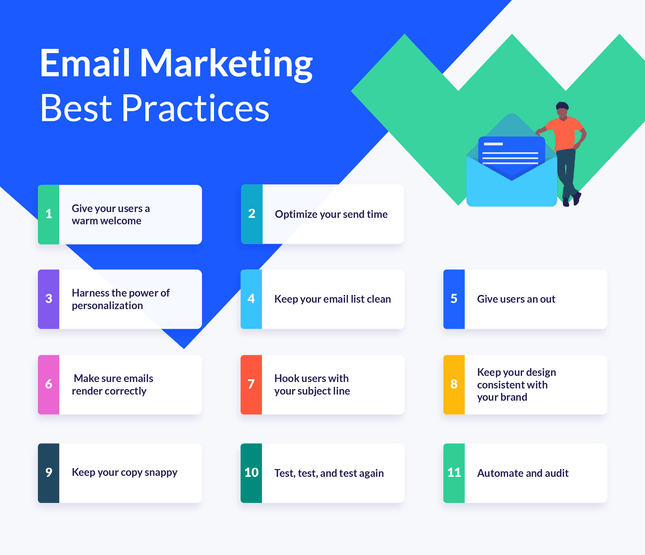
Best Practices for E-commerce Email Campaigns
E-commerce email campaigns are a crucial component of any successful online business. They allow you to connect with your customers, promote your products or services, and drive sales. However, to make the most of your email marketing efforts, it’s important to follow some best practices. In this article, we will explore the top strategies for optimizing your e-commerce email campaigns and achieving the best results.
Segment Your Email List
Segmentation is a key practice when it comes to e-commerce email campaigns. By dividing your email list into smaller, more targeted groups, you can tailor your messages to specific customer segments. This allows you to deliver more relevant content and offers, increasing the chances of engagement and conversion.
One way to segment your email list is by demographics, such as age, gender, or location. For example, if you have a clothing store, you can send different promotions to male and female customers. You can also segment based on purchase history, interests, or engagement level. By understanding your customers’ preferences and behavior, you can create personalized and effective email campaigns.
Benefits of Email Segmentation
Segmenting your email list offers several benefits. Firstly, it improves the relevance of your emails, leading to higher open and click-through rates. When subscribers receive content that aligns with their interests and needs, they are more likely to engage with it. This, in turn, can lead to increased sales and revenue for your business.
Segmentation also allows you to send targeted offers and promotions. By understanding the preferences and purchase history of each segment, you can deliver highly personalized and appealing offers. This increases the chances of conversion and encourages repeat purchases.
How to Segment Your Email List
Segmenting your email list can be done using various criteria. One effective approach is to use the data you collect during the signup process. For example, you can ask subscribers to indicate their interests or preferences, allowing you to categorize them accordingly.
You can also use data from previous purchases or interactions with your website or app. By analyzing this data, you can identify patterns and group customers accordingly. Alternatively, you can use email marketing software that offers segmentation features. These tools often allow you to create custom segments based on specific criteria, making the process easier and more efficient.
Create Compelling Subject Lines
The subject line is the first thing that subscribers see when they receive your email. It plays a crucial role in determining whether they open the email or not. Therefore, it’s important to create compelling subject lines that grab attention and entice recipients to click through.
One effective strategy is to use personalization in your subject lines. By including the recipient’s name or referencing their previous interactions with your brand, you can create a sense of familiarity and relevance. For example, “John, don’t miss out on these exclusive offers just for you!”
Another approach is to create a sense of urgency or exclusivity. Limited-time offers or special discounts can motivate subscribers to open the email and take action. For example, “Last chance to save 50% off! Don’t miss out!”
Tips for Writing Compelling Subject Lines
When crafting subject lines for your e-commerce email campaigns, keep the following tips in mind:
1. Keep it concise: Aim for subject lines that are 50 characters or less to ensure they are fully visible on mobile devices.
2. Use action verbs: Encourage recipients to take action by using strong and compelling verbs in your subject lines.
3. Test different variations: Experiment with different subject lines to see what resonates best with your audience. A/B testing can help you identify the most effective approach.
4. Avoid spam triggers: Be mindful of spam triggers that can cause your emails to end up in the spam folder. Avoid excessive use of capital letters, exclamation marks, or spammy keywords.
Optimize for Mobile
With the increasing use of smartphones, it’s crucial to optimize your e-commerce email campaigns for mobile devices. Many people now check their emails on their phones, and if your emails are not mobile-friendly, you risk losing their attention and engagement.
One key aspect of mobile optimization is responsive design. Ensure that your emails are automatically adjusted to fit different screen sizes and resolutions. This ensures that the content is easily readable and accessible, regardless of the device used.
Additionally, pay attention to the size and placement of buttons and links in your emails. Make sure they are large enough and properly spaced to allow for easy tapping on touchscreens. Consider using a single-column layout to make it easier for mobile users to scroll through the email.
Benefits of Mobile Optimization
Optimizing your e-commerce email campaigns for mobile devices offers several benefits. Firstly, it improves the user experience, making it easier for recipients to read and engage with your emails. This can lead to higher click-through rates and conversions.
Mobile optimization also enhances your brand image. When subscribers have a positive experience with your emails on their mobile devices, it reflects positively on your brand as a whole. On the other hand, a poor mobile experience can leave a negative impression and impact your reputation.
Tips for Mobile Optimization
To ensure your e-commerce email campaigns are effectively optimized for mobile, consider the following tips:
1. Use a mobile-friendly email template: Choose a responsive email template that automatically adjusts to different screen sizes.
2. Keep the design simple and clean: Avoid cluttered layouts or excessive text. Opt for a clean and visually appealing design that is easy to navigate on a small screen.
3. Use a legible font size: Ensure that the text in your emails is large enough to be easily readable on mobile devices. Stick to a font size of at least 14 pixels.
4. Test on different devices and email clients: Preview your emails on various devices and email clients to ensure they display correctly. This includes testing on both iOS and Android devices.
In this article, we have explored some of the best practices for e-commerce email campaigns. From segmenting your email list to creating compelling subject lines and optimizing for mobile, these strategies can help you achieve better engagement and results. By implementing these practices, you can maximize the impact of your email marketing efforts and drive more sales for your online business.
Key Takeaways: What are the best practices for e-commerce email campaigns?
- Personalize your emails to make customers feel valued.
- Segment your email list to send targeted and relevant content.
- Use eye-catching subject lines to increase open rates.
- Include clear call-to-action buttons to drive conversions.
- Optimize your emails for mobile devices to reach a wider audience.
Frequently Asked Questions
Question 1: How important is personalization in e-commerce email campaigns?
Personalization is a crucial aspect of e-commerce email campaigns. By tailoring your emails to individual customers, you can significantly improve engagement and conversion rates. Personalized emails make customers feel valued and understood, increasing their likelihood of making a purchase.
When implementing personalization in your email campaigns, consider factors such as customer preferences, past purchases, and browsing behavior. Use dynamic content and segmentation to deliver targeted emails that resonate with each recipient. By leveraging personalization, you can create a more personalized and meaningful customer experience.
Question 2: What are some effective strategies for increasing open rates in e-commerce email campaigns?
To boost open rates in your e-commerce email campaigns, it’s essential to focus on crafting compelling subject lines. A catchy subject line can grab the recipient’s attention and entice them to open the email. Incorporate personalization, urgency, and curiosity to make your subject lines more appealing.
In addition to subject lines, optimizing the preview text is crucial. The preview text provides a sneak peek of the email content, so make it intriguing and relevant. Furthermore, consider the timing of your emails. Test different send times and analyze open rates to determine the optimal timing for your target audience. Experimenting with A/B testing can also help identify the most effective strategies for increasing open rates.
Question 3: How can I improve click-through rates in e-commerce email campaigns?
To enhance click-through rates in your e-commerce email campaigns, focus on creating clear and compelling call-to-action (CTA) buttons. Make sure your CTAs stand out and are easily clickable on both desktop and mobile devices.
Additionally, optimize the email layout and design to guide recipients’ attention towards the CTA. Use contrasting colors, engaging visuals, and concise copy to draw attention and encourage clicks. A/B testing different CTAs and analyzing click-through rates can help you refine your approach and identify what resonates best with your audience.
Question 4: What role does segmentation play in e-commerce email campaigns?
Segmentation plays a crucial role in e-commerce email campaigns as it allows you to target specific groups of customers with tailored messages. By dividing your email list into segments based on demographics, preferences, or behavior, you can deliver more relevant and personalized content.
Segmentation enables you to send targeted promotions, recommendations, and product updates to specific customer groups, increasing the likelihood of engagement and conversions. By understanding your audience and their unique needs, you can deliver more effective and impactful email campaigns.
Question 5: How can I measure the success of my e-commerce email campaigns?
Measuring the success of your e-commerce email campaigns is crucial for optimizing your strategies and achieving better results. Key metrics to track include open rates, click-through rates, conversion rates, and revenue generated from email campaigns.
Utilize email marketing analytics tools to gather data and insights on these metrics. Regularly analyze the performance of your campaigns and compare them against industry benchmarks to identify areas for improvement. By monitoring and measuring the success of your email campaigns, you can make data-driven decisions and continuously refine your strategies for better results.
Final Summary: The Key to Successful E-commerce Email Campaigns
As we wrap up our discussion on the best practices for e-commerce email campaigns, it’s clear that a well-executed strategy can make all the difference in the success of your online business. By following these guidelines, you’ll be able to create engaging and effective email campaigns that drive conversions and boost customer loyalty.
First and foremost, personalization is the name of the game. Tailor your emails to your audience by segmenting your subscribers and delivering targeted content. Make use of dynamic content and personalized recommendations to make each email feel unique and relevant to the recipient. Additionally, optimize your subject lines to grab attention and entice recipients to open your emails.
Another crucial aspect of e-commerce email campaigns is the use of compelling visuals. Incorporate eye-catching images and videos to capture your audience’s attention and showcase your products in the best possible light. Remember to optimize these visuals for mobile devices, as a significant portion of your audience will be accessing emails on their smartphones or tablets.
Lastly, don’t forget about the power of testing and analyzing your campaigns. Experiment with different elements such as email timing, layout, and calls to action to determine what works best for your audience. Track key metrics such as open rates, click-through rates, and conversions to gain insights and make data-driven decisions for future campaigns.
By implementing these best practices and staying up to date with the latest trends and technologies in e-commerce email marketing, you’ll be well-equipped to drive engagement, boost sales, and build long-lasting relationships with your customers. So go ahead, put these strategies into action, and watch your e-commerce business thrive!