
When it comes to e-commerce, having a solid marketing strategy is the key to success. But what exactly are the key elements that make up an effective e-commerce marketing strategy? In this article, we will dive deep into this topic and explore the essential components that can help businesses thrive in the competitive online marketplace.
Building a successful e-commerce business requires more than just having a great product or service. It requires a strategic approach to marketing that encompasses various elements. From identifying target audiences to creating compelling content and optimizing for search engines, every aspect plays a crucial role in driving traffic, increasing conversions, and ultimately, boosting sales. So, if you’re ready to take your e-commerce business to the next level, let’s unravel the key elements of an e-commerce marketing strategy and learn how to leverage them for maximum success.
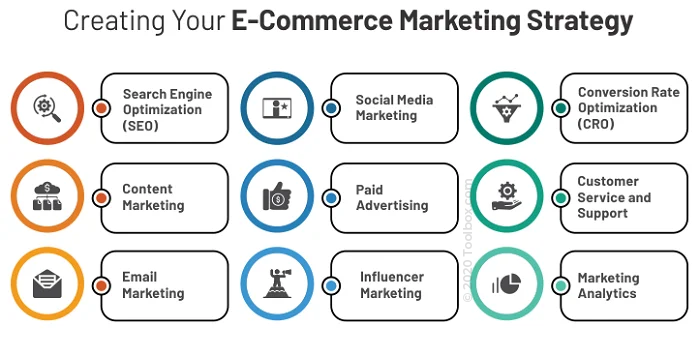
Understanding E-commerce Marketing Strategy
E-commerce has revolutionized the way businesses operate and reach their customers. In today’s digital age, having a well-defined marketing strategy is crucial for the success of any e-commerce business. A strong marketing strategy not only helps in attracting customers but also keeps them engaged, ultimately driving sales and revenue. So, what are the key elements of an e-commerce marketing strategy? Let’s delve into the details.
The Importance of Target Audience
One of the fundamental elements of an e-commerce marketing strategy is understanding your target audience. Knowing who your customers are and what they want is essential for creating effective marketing campaigns. Conduct market research to identify your target demographic, their preferences, and their pain points. This information will help you tailor your marketing messages and promotions to resonate with your audience, increasing the chances of converting leads into customers.
Furthermore, analyzing customer data and feedback can provide valuable insights into their behavior, allowing you to optimize your marketing efforts. Utilize tools like Google Analytics to track user behavior on your website, such as page views, bounce rates, and conversion rates. This data can help you identify patterns and trends, enabling you to make data-driven decisions and refine your marketing strategy.
Building a Strong Online Presence
In the competitive world of e-commerce, having a strong online presence is crucial for standing out from the crowd. This involves creating a visually appealing and user-friendly website that showcases your products or services effectively. Your website should have clear navigation, high-quality product images, and detailed descriptions to provide a seamless shopping experience for your customers. Implementing a responsive design that is mobile-friendly is also essential, as an increasing number of consumers are using smartphones and tablets to make online purchases.
In addition to your website, it’s important to leverage social media platforms to expand your reach and engage with your audience. Develop a strong social media presence by regularly posting relevant content, interacting with followers, and running targeted ad campaigns. Platforms like Facebook, Instagram, and Twitter provide excellent opportunities for showcasing your products, offering promotions, and building brand loyalty.
The Power of Content Marketing
Content marketing plays a vital role in e-commerce marketing strategies. By creating valuable and informative content, you can establish your brand as an industry expert and build trust with your audience. Develop a content strategy that includes blog posts, videos, infographics, and other forms of media that resonate with your target audience.
When creating content, focus on providing solutions to your customers’ problems and answering their questions. This not only positions your brand as a helpful resource but also increases the chances of attracting qualified leads. Incorporate relevant keywords into your content to improve your search engine rankings, driving organic traffic to your website. Additionally, share your content on social media platforms to increase its reach and engagement.
Utilizing Email Marketing
Email marketing continues to be a powerful tool for e-commerce businesses. By building an email subscriber list, you can nurture leads, drive repeat purchases, and build brand loyalty. Offer incentives, such as exclusive discounts or freebies, in exchange for email subscriptions. Once you have a list, segment it based on customer preferences, purchase history, and demographic information. This allows you to send targeted and personalized emails, increasing the chances of conversions.
When crafting email campaigns, focus on providing value to your subscribers. Avoid bombarding them with promotional content, as this can lead to unsubscribes. Instead, offer useful tips, product recommendations, and exclusive offers. Personalize your emails with the recipient’s name and tailor the content based on their previous interactions with your brand. Don’t forget to optimize your emails for mobile devices, as a significant portion of users access their emails on smartphones and tablets.
Conclusion
Building an effective e-commerce marketing strategy requires a deep understanding of your target audience, a strong online presence, content marketing, and email marketing. By implementing these key elements, you can attract and retain customers, drive sales, and ultimately grow your e-commerce business. Remember, continuous monitoring and analysis of your marketing efforts are essential for making data-driven decisions and optimizing your strategy for maximum results.
Key Takeaways: What are the key elements of an e-commerce marketing strategy?
- 1. Understand your target audience and their needs.
- 2. Create a user-friendly website with clear navigation.
- 3. Utilize social media platforms to reach and engage with customers.
- 4. Implement effective SEO strategies to improve search engine rankings.
- 5. Use email marketing to nurture customer relationships and encourage repeat purchases.
Frequently Asked Questions
What role does customer segmentation play in an e-commerce marketing strategy?
Customer segmentation is a crucial element of an e-commerce marketing strategy. By dividing your customer base into distinct groups based on demographics, behavior, or preferences, you can tailor your marketing efforts to each segment’s specific needs and interests. This allows you to create personalized messaging and offers that resonate with different customer groups, increasing the likelihood of conversion and customer loyalty.
Segmentation also helps you identify high-value customer segments that generate the most revenue for your business. By focusing your marketing efforts on these segments, you can allocate resources more effectively and maximize your return on investment. Additionally, customer segmentation provides valuable insights into customer behavior and preferences, enabling you to make data-driven decisions and continuously optimize your marketing strategy.
How important is social media marketing in an e-commerce marketing strategy?
Social media marketing plays a crucial role in an e-commerce marketing strategy. With billions of active users on platforms like Facebook, Instagram, and Twitter, social media provides a vast audience for businesses to reach and engage with. By leveraging social media channels, you can build brand awareness, drive traffic to your e-commerce website, and generate leads.
Furthermore, social media allows for direct communication with your target audience, providing an opportunity to build relationships and foster customer loyalty. You can use social media to share relevant content, run promotions and contests, showcase products, and gather feedback from customers. The real-time nature of social media also enables you to respond to customer inquiries and resolve issues promptly, enhancing the overall customer experience.
How does content marketing contribute to an e-commerce marketing strategy?
Content marketing is an essential component of an e-commerce marketing strategy. It involves creating and sharing valuable, relevant, and informative content to attract and engage your target audience. By providing valuable content, such as blog posts, videos, or guides, you can establish your brand as a trusted authority in your industry and build credibility.
Content marketing also helps drive organic traffic to your e-commerce website by improving your search engine rankings. When you consistently produce high-quality content that aligns with relevant keywords and search intent, search engines are more likely to rank your website higher in search results. This increases visibility, generates more website visitors, and ultimately leads to more conversions and sales.
What role does email marketing play in an e-commerce marketing strategy?
Email marketing is a powerful tool in an e-commerce marketing strategy. It allows you to directly communicate with your customers and prospects, delivering personalized messages and offers straight to their inbox. By building an email list and segmenting it based on customer preferences and behavior, you can tailor your email campaigns to specific audience segments, increasing their effectiveness.
Email marketing is effective for various purposes, including promoting new products, announcing sales or discounts, nurturing leads, and re-engaging inactive customers. It helps drive traffic to your e-commerce website, boost conversions, and foster customer loyalty. Additionally, email marketing provides valuable data and insights, allowing you to track open rates, click-through rates, and other metrics to optimize your campaigns and improve results over time.
Why is data analysis crucial in an e-commerce marketing strategy?
Data analysis plays a critical role in an e-commerce marketing strategy as it provides valuable insights into customer behavior, preferences, and trends. By analyzing data from various sources, such as website analytics, customer surveys, and purchase history, you can gain a deeper understanding of your target audience and make data-driven decisions.
Data analysis helps you identify patterns, trends, and opportunities, allowing you to optimize your marketing efforts and improve overall performance. It enables you to measure the effectiveness of your campaigns, identify areas for improvement, and allocate resources more effectively. By continuously analyzing data, you can stay informed about customer preferences, market trends, and competitor strategies, ensuring that your e-commerce marketing strategy remains relevant and competitive.
The Ultimate eCommerce Marketing Strategy Guide (Seriously)
Final Summary: Key Elements of an E-commerce Marketing Strategy
When it comes to crafting a successful e-commerce marketing strategy, there are several key elements that can make a significant impact on your business’s online success. From optimizing your website for search engines to leveraging social media and email marketing, each element plays a crucial role in driving traffic, increasing conversions, and nurturing customer relationships. Let’s recap the essential components you should consider:
First and foremost, search engine optimization (SEO) is a fundamental aspect of any e-commerce marketing strategy. By optimizing your website with relevant keywords, creating high-quality content, and improving site structure, you can ensure better visibility on search engine result pages and attract organic traffic. Remember to conduct keyword research and incorporate them strategically throughout your website to improve your chances of ranking higher.
Next, social media platforms provide an excellent avenue for engaging with your target audience and promoting your products or services. By leveraging the power of platforms like Facebook, Instagram, and Twitter, you can cultivate brand awareness, foster customer loyalty, and drive traffic to your website. Engage with your followers, share valuable content, and run targeted ad campaigns to reach your ideal customers.
Email marketing remains a highly effective strategy for nurturing existing customer relationships and driving repeat business. By building an email list and sending regular newsletters or promotional offers, you can stay top-of-mind with your audience and encourage them to make purchases. Personalize your emails, segment your list based on customer behavior, and provide valuable content to keep your subscribers engaged.
In conclusion, a successful e-commerce marketing strategy encompasses various elements, from SEO and social media to email marketing. By implementing a well-rounded approach and consistently optimizing your efforts, you can achieve higher visibility, engage with your audience, and drive conversions. Remember to stay up-to-date with the latest trends and adapt your strategy accordingly to stay ahead of the competition. With these key elements in place, your e-commerce business is well-positioned for long-term success.