
If you’re immersed in the world of online marketing, you’ve probably come across the term “A/B testing” at some point. But what exactly is A/B testing and why is it such a crucial tool in the marketing arsenal? Well, my friend, get ready to dive into the fascinating world of A/B testing in online marketing.
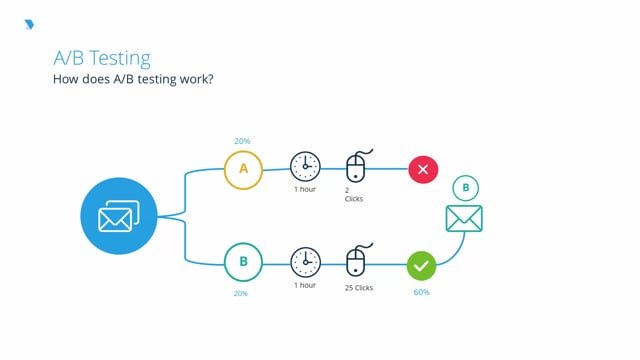
In a nutshell, A/B testing is a method used by marketers to compare two different versions of a webpage, email, or advertisement to determine which one performs better. It’s like conducting a friendly competition between two options to see which one comes out on top. The idea is to make small changes to one element, such as the headline, color scheme, or call-to-action, and then split your audience into two groups, showing each group a different version. By carefully analyzing the results, you can gain valuable insights into what resonates with your audience and make data-driven decisions to optimize your marketing efforts. A/B testing allows you to experiment, iterate, and continuously improve your strategies to achieve better results.
So, whether you’re a seasoned marketer looking to fine-tune your campaigns or a newbie trying to grasp the fundamentals, A/B testing is an essential tool that can help you unlock the secrets to success in the online marketing world. Get ready to harness the power of experimentation and data analysis to take your marketing efforts to new heights!
What is A/B Testing in Online Marketing?
A/B testing is a powerful technique used in online marketing to evaluate the effectiveness of different versions of a webpage or marketing campaign. It involves dividing your audience into two or more groups and showing each group a different version of your website or marketing material. By analyzing the data and user behavior, you can determine which version performs better and make data-driven decisions to optimize your marketing efforts.
A/B testing allows marketers to identify the most effective elements of their campaigns, such as headlines, images, call-to-action buttons, or even the layout of a webpage. It provides valuable insights into user preferences and behavior, allowing businesses to make informed decisions that can lead to increased conversions, higher engagement, and ultimately, better ROI.
The Benefits of A/B Testing
A/B testing offers numerous benefits for online marketers. Firstly, it allows you to make data-driven decisions based on real user behavior and preferences. Instead of relying on assumptions or guesswork, A/B testing provides concrete evidence of what works and what doesn’t. This helps you optimize your marketing campaigns and make informed decisions to maximize your results.
Secondly, A/B testing helps you identify the specific elements or variables that have the most impact on your audience. By testing different variations, you can pinpoint the elements that resonate the most with your target audience and use that knowledge to create more effective marketing strategies in the future.
How Does A/B Testing Work?
The process of conducting an A/B test involves several steps. First, you need to identify the goal of your test. This could be increasing conversions, improving click-through rates, or reducing bounce rates, among others. Once you have a clear goal in mind, you can decide which elements you want to test, such as headlines, images, or layouts.
Next, you need to create two or more versions of your webpage or marketing material, with each version containing a single variable that you want to test. This could be a different headline, a different color scheme, or a different layout. The variations should be randomly assigned to different groups within your audience.
Best Practices for A/B Testing
When conducting A/B tests, there are some best practices you should follow to ensure accurate and reliable results. Firstly, it’s important to test one variable at a time. Testing multiple variables simultaneously can make it difficult to determine which specific element had the greatest impact on the results.
Secondly, make sure you have a sufficient sample size for your test. A small sample size may not provide statistically significant results, leading to unreliable conclusions. It’s also crucial to run your test for an appropriate duration to account for any external factors or variations in user behavior.
Conclusion
A/B testing is a valuable tool in the arsenal of online marketers. By testing different versions of your campaigns and analyzing the results, you can optimize your marketing efforts and achieve better results. It allows you to make data-driven decisions, identify the most effective elements, and continuously improve your strategies. Incorporating A/B testing into your marketing approach can lead to increased conversions, higher engagement, and ultimately, greater success in the online marketplace.
Key Takeaways: What is A/B testing in online marketing?
- A/B testing is a method used in online marketing to compare two versions of a webpage or marketing element.
- It helps marketers understand which version performs better and improves conversion rates.
- By testing variations of headlines, images, or call-to-action buttons, marketers can make data-driven decisions.
- A/B testing allows marketers to optimize their campaigns and improve the overall user experience.
- It is important to test one element at a time and collect enough data for accurate results.
Frequently Asked Questions
A/B testing is a commonly used technique in online marketing to compare two versions of a webpage or marketing campaign to determine which one performs better. It involves dividing your audience into two groups and showing each group a different version of your content. By analyzing the results, you can make data-driven decisions to optimize your marketing efforts and improve conversion rates.
Question 1: How does A/B testing work in online marketing?
In A/B testing, you create two versions of a webpage or marketing campaign, where one element is changed between the two versions (e.g., headline, call-to-action, color scheme). The two versions are randomly shown to different segments of your audience, and their interactions and conversions are measured. By comparing the performance metrics of the two versions, you can identify which one generates better results.
A/B testing is an iterative process, where you make incremental changes to your content based on the insights gained from each test. This allows you to continuously optimize your marketing strategies and achieve better outcomes over time.
Question 2: What are the benefits of A/B testing in online marketing?
A/B testing provides several benefits in online marketing. Firstly, it helps you understand your audience’s preferences and behaviors by analyzing their responses to different variations of your content. This data-driven approach allows you to make informed decisions and tailor your marketing efforts to maximize engagement and conversions.
Secondly, A/B testing eliminates the guesswork by providing concrete evidence about which version of your content performs better. Instead of relying on assumptions or personal opinions, you can rely on objective data to guide your marketing strategies.
Question 3: What are some common elements to test in A/B testing?
There are various elements you can test in A/B testing, depending on your marketing goals. Some common elements include headlines, call-to-action buttons, images, colors, layouts, and pricing. By experimenting with different variations of these elements, you can identify the ones that resonate most with your audience and drive higher conversions.
It’s important to focus on one element at a time to accurately measure its impact. This allows you to isolate the effect of each variation and make reliable conclusions about its performance.
Question 4: How long should an A/B test run?
The duration of an A/B test depends on various factors, such as the size of your audience, the amount of traffic your website receives, and the magnitude of the expected changes. As a general guideline, it is recommended to run an A/B test for at least one to two weeks to gather sufficient data and account for any potential fluctuations.
However, it’s important to monitor the test regularly and assess its statistical significance. If one variation consistently outperforms the other with a significant margin before the planned duration, you can end the test and implement the winning version earlier.
Question 5: How can A/B testing improve conversion rates?
A/B testing allows you to identify the elements and strategies that have a positive impact on your conversion rates. By continuously experimenting and optimizing your marketing campaigns, you can refine your content to better align with your audience’s preferences and motivations, leading to increased conversions.
Through A/B testing, you can uncover valuable insights about your audience’s behavior and preferences, enabling you to make data-driven decisions and continually improve your marketing performance.
Final Summary: What is A/B Testing in Online Marketing?
When it comes to online marketing, A/B testing is a powerful tool that can help businesses optimize their strategies and achieve better results. By comparing two versions of a webpage, email, or advertisement, businesses can determine which variation performs better in terms of conversions, click-through rates, or other desired outcomes. This allows marketers to make data-driven decisions and continuously improve their campaigns.
A/B testing is not just about randomly changing elements and hoping for the best. It requires careful planning, implementation, and analysis. Marketers need to identify the specific goals they want to achieve and create clear hypotheses to test. With the help of various tools and software, they can divide their audience into different groups and expose each group to a different variation. By measuring the results and analyzing the data, businesses can gain valuable insights into what works and what doesn’t in their marketing efforts.
In conclusion, A/B testing is a crucial component of online marketing. It empowers businesses to make informed decisions, optimize their campaigns, and ultimately drive better results. By embracing this testing methodology and harnessing the power of data, marketers can stay ahead of the competition and continuously improve their strategies to meet the ever-evolving needs of their target audience. So, don’t underestimate the impact of A/B testing in your online marketing endeavors and start experimenting today!