
Hey there! Ever wondered what cart abandonment is and how you can reduce it? Well, you’re in the right place! In this article, we’ll dive into the world of online shopping and explore why customers sometimes leave their shopping carts behind, and more importantly, how you can tackle this issue head-on.
Picture this: you’re browsing through an online store, adding items to your cart, feeling excited about your purchases. But then, something happens. You hesitate. Maybe it’s the total cost, or maybe you got distracted by a phone call. Whatever the reason, you end up abandoning your cart, leaving the store empty-handed. This act of leaving without completing a purchase is called cart abandonment, and it’s a common challenge faced by online retailers.
Now, you might be wondering, “How can I reduce cart abandonment?” Well, fear not! We’ve got you covered. Throughout this article, we’ll explore various strategies and techniques to help you minimize cart abandonment and increase your online sales. So, sit back, relax, and let’s dive into the world of cart abandonment and how you can combat it like a pro.
Understanding Cart Abandonment and Effective Strategies to Reduce It
Cart abandonment is a common challenge faced by e-commerce businesses. It refers to the situation where shoppers add items to their online shopping carts but leave the website without completing the purchase. This can be frustrating for businesses as it results in lost revenue and missed opportunities. However, by understanding the reasons behind cart abandonment and implementing effective strategies, businesses can reduce this phenomenon and increase their conversion rates.
The Reasons Behind Cart Abandonment
There are several reasons why shoppers abandon their carts. One common reason is unexpected costs. When customers reach the checkout page and find additional charges such as shipping fees or taxes, they may be deterred from completing the purchase. To reduce cart abandonment, businesses should be transparent about all costs from the beginning and consider offering free shipping or discounts on larger orders.
Another reason for cart abandonment is the complexity of the checkout process. If the process is too long or requires too much information, customers may become frustrated and abandon their carts. Simplifying the checkout process by offering guest checkout options or allowing customers to save their information for future purchases can help reduce abandonment rates.
Strategies to Reduce Cart Abandonment
1. Streamline the Checkout Process
A lengthy and complicated checkout process can be a major deterrent for customers. By streamlining the process and making it as simple and intuitive as possible, businesses can increase the likelihood of customers completing their purchases. This can be achieved by reducing the number of steps, minimizing the amount of information required, and offering clear navigation.
2. Offer Multiple Payment Options
Providing customers with a variety of payment options can help reduce cart abandonment. Some customers may prefer to use credit cards, while others may prefer alternative methods such as PayPal or Apple Pay. By offering multiple options, businesses cater to different customer preferences and increase the chances of completing the transaction.
3. Implement Exit-Intent Pop-ups
Exit-intent pop-ups are a powerful tool for reducing cart abandonment. These pop-ups appear when a customer is about to leave the website without completing the purchase. They can offer discounts, free shipping, or other incentives to encourage customers to reconsider their decision and complete the purchase. Exit-intent pop-ups can be highly effective in capturing the attention of customers and persuading them to stay.
4. Send Abandoned Cart Reminder Emails
Sending abandoned cart reminder emails is another effective strategy to reduce cart abandonment. These emails can be automated and sent to customers who have added items to their carts but left the website without completing the purchase. By reminding customers of the items they left behind and offering incentives such as discounts or limited-time offers, businesses can encourage them to return and complete their purchase.
5. Provide Excellent Customer Support
Good customer support can make a significant difference in reducing cart abandonment. When customers encounter issues during the checkout process, having a responsive and helpful customer support team can provide reassurance and assistance. This can help customers overcome any obstacles they may face and increase their confidence in completing the purchase.
In conclusion, cart abandonment is a common challenge for e-commerce businesses, but it can be effectively reduced through strategic measures. By streamlining the checkout process, offering multiple payment options, implementing exit-intent pop-ups, sending abandoned cart reminder emails, and providing excellent customer support, businesses can minimize cart abandonment rates and increase their overall conversion rates. By understanding the reasons behind cart abandonment and implementing these strategies, businesses can optimize their online shopping experience and maximize their revenue potential.
Key Takeaways: What is Cart Abandonment and How Can I Reduce It?
- Cart abandonment refers to the act of online shoppers leaving a website without completing their purchase.
- To reduce cart abandonment, streamline the checkout process by minimizing steps and making it user-friendly.
- Offering incentives like free shipping or discounts can encourage customers to complete their purchase.
- Implementing a cart abandonment email campaign can remind customers about their unfinished purchase and entice them to return.
- Providing excellent customer service and support can help build trust and reduce cart abandonment.
Frequently Asked Questions
What are the reasons for cart abandonment?
Cart abandonment refers to the situation where a customer adds items to their online shopping cart but leaves the website without completing the purchase. There are several reasons why this occurs:
Firstly, unexpected costs such as high shipping fees or additional taxes can deter customers from completing their purchase. Secondly, complicated checkout processes that require too many steps or ask for excessive personal information can be frustrating for users. Thirdly, a lack of trust in the website’s security or concerns about the privacy of their personal information can also lead to cart abandonment. Lastly, customers may simply be browsing or comparing prices, and not ready to make a purchase yet.
How can I reduce cart abandonment?
To reduce cart abandonment and increase conversions, there are several strategies you can implement:
Firstly, simplify the checkout process by minimizing the number of steps required and eliminating unnecessary form fields. Implementing guest checkout options can also help streamline the process. Secondly, be transparent about additional costs early on, providing clear information about shipping fees, taxes, and any other charges. Offering free shipping or discounts for larger orders can also incentivize customers to complete their purchase. Thirdly, display trust badges and security seals prominently on your website to build trust with customers. Additionally, offering a hassle-free return policy and secure payment options can further enhance trust. Lastly, implement remarketing strategies such as abandoned cart emails or personalized offers to remind customers of their pending purchase and encourage them to return to complete it.
What is the role of website design in reducing cart abandonment?
Website design plays a crucial role in reducing cart abandonment. A well-designed and user-friendly website can enhance the overall shopping experience and increase the chances of customers completing their purchase. Here are some design considerations:
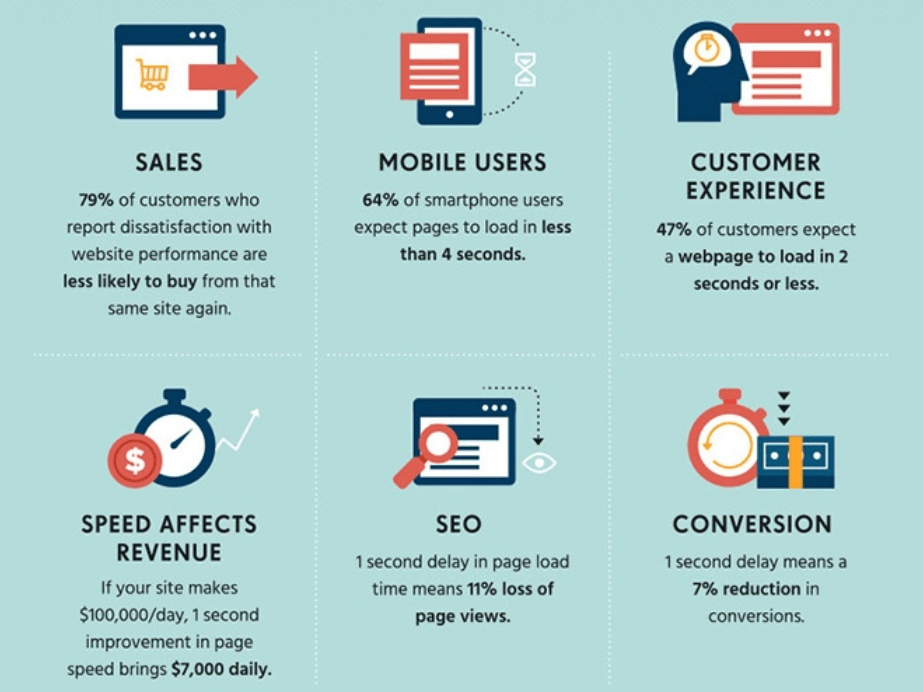
Firstly, ensure that your website is mobile-responsive, as an increasing number of customers are shopping on their mobile devices. A responsive design ensures that the website is accessible and easy to navigate on different screen sizes. Secondly, optimize your website’s loading speed, as slow-loading pages can frustrate users and lead to abandonment. Compressing images, minifying code, and utilizing caching techniques can help improve loading times. Thirdly, use clear and visually appealing product images, accompanied by detailed product descriptions. Providing multiple product views and customer reviews can also instill confidence in potential buyers. Lastly, incorporate a prominent and easily accessible shopping cart icon or button throughout the website to remind users of their selected items and enable quick access to the checkout process.
How can personalized recommendations help reduce cart abandonment?
Personalized recommendations can play a significant role in reducing cart abandonment by providing customers with relevant and tailored product suggestions. By analyzing user behavior and purchase history, you can offer personalized recommendations that align with their interests and preferences. These recommendations can be displayed on product pages, during the checkout process, or even through email marketing campaigns. By showcasing related or complementary products that the customer may be interested in, you can increase their engagement and encourage them to add more items to their cart, ultimately reducing the likelihood of abandonment.
What role does customer support play in reducing cart abandonment?
Customer support plays a vital role in reducing cart abandonment and building trust with customers. By offering responsive and helpful customer support, you can address any concerns or questions that potential buyers may have during the purchase process. Here are some ways customer support can help:
Firstly, provide multiple channels for customers to reach out, such as live chat, email, or phone support. This ensures that customers can easily contact you for assistance. Secondly, offer proactive support by implementing chatbots or automated messaging systems that can provide instant responses to common queries. Thirdly, train your customer support team to be knowledgeable about your products and services, as well as the checkout process, so they can provide accurate and helpful information. Lastly, consider offering personalized assistance or incentives to customers who have abandoned their cart, such as exclusive discounts or free shipping, to entice them to complete their purchase.
Final Summary: How to Reduce Cart Abandonment and Boost Your Sales
Now that you understand what cart abandonment is and why it happens, it’s time to take action and reduce it. By implementing a few strategies, you can improve your conversion rates and boost your sales.
Firstly, make sure your website is user-friendly and optimized for mobile devices. Nowadays, many people shop on their smartphones, so it’s crucial to provide a seamless shopping experience across all devices. Simplify the checkout process by minimizing the number of steps and allowing guest checkouts. Customers are more likely to complete their purchases if they don’t have to create an account.
Secondly, offer incentives and discounts to encourage customers to complete their purchases. Consider implementing exit-intent pop-ups that offer a discount code when users try to leave the website without making a purchase. Additionally, send follow-up emails to remind customers about their abandoned carts and offer a limited-time discount to entice them to come back and complete their purchase.
Furthermore, provide clear and transparent information about shipping costs and delivery times. Unexpected costs at checkout can be a major turn-off for customers, leading to cart abandonment. Display shipping information prominently on your product pages and consider offering free shipping or free returns to incentivize customers.
Lastly, continuously monitor and analyze your website’s analytics and cart abandonment rates. Identify patterns and trends to understand why customers are abandoning their carts. Use this data to make informed decisions and implement targeted strategies to reduce cart abandonment.
By implementing these strategies, you can minimize cart abandonment, improve your conversion rates, and ultimately boost your online sales. Remember, the key is to provide a seamless and frictionless shopping experience for your customers, making it easy and enjoyable for them to complete their purchases.