
What is influencer marketing? It’s a term that has been buzzing around the internet for quite some time now. You might have heard it mentioned in conversations or seen it pop up on your favorite social media platforms. But what exactly is influencer marketing, and why is it such a big deal? Well, my friend, you’ve come to the right place. In this article, we’re going to dive deep into the world of influencer marketing, exploring what it is, how it works, and why it’s become such a powerful tool in the world of digital marketing.
Influencer marketing is essentially a form of marketing that focuses on collaborating with influential individuals, often known as influencers, to promote a product or service. These influencers are individuals who have a large and engaged following on social media platforms, such as Instagram, YouTube, or TikTok. They have built a strong reputation and credibility within their niche or industry, and their followers trust their opinions and recommendations. By partnering with influencers, brands can tap into their reach and influence to promote their products or services to a targeted audience. It’s like word-of-mouth advertising on steroids! So, if you’ve ever wondered how that beauty brand seemingly appeared out of nowhere and suddenly everyone is talking about it, chances are it’s the magic of influencer marketing at work. Get ready to discover the ins and outs of this fascinating marketing strategy.
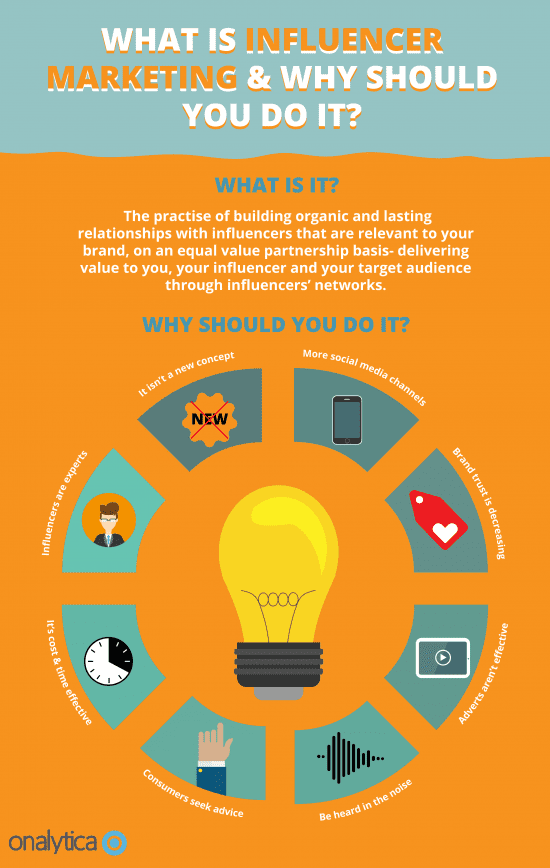
What is Influencer Marketing?
In today’s digital age, influencer marketing has become a powerful tool for businesses to reach their target audience and promote their products or services. But what exactly is influencer marketing? In simple terms, it is a type of marketing strategy that involves collaborating with influential individuals on social media platforms to promote a brand or product. These individuals, known as influencers, have a significant following and the ability to sway the opinions and purchasing decisions of their audience.
The Power of Influencer Marketing
Influencer marketing has gained immense popularity in recent years due to its effectiveness in building brand awareness, increasing engagement, and driving conversions. Unlike traditional forms of advertising, influencer marketing allows brands to connect with their target audience in an authentic and genuine way. By partnering with influencers who share the same values and interests as their target market, brands can create a more meaningful and relatable connection with their potential customers.
One of the key advantages of influencer marketing is its ability to reach a highly targeted audience. Influencers often have a niche following, which means that their audience is already interested in the specific industry or topic that the brand represents. This targeted approach ensures that the brand’s message reaches the right people, increasing the likelihood of conversion and return on investment.
The Role of Influencers
Influencers play a crucial role in the success of influencer marketing campaigns. They are individuals who have established themselves as experts, trendsetters, or trusted sources of information within their respective niches. Their opinions and recommendations hold weight with their followers, who often look up to them for guidance and inspiration.
When working with influencers, brands can leverage their influence and credibility to promote their products or services. This can be done through various content formats, such as sponsored posts, product reviews, giveaways, or brand collaborations. The key is to ensure that the content aligns with the influencer’s personal brand and resonates with their audience.
The Benefits of Influencer Marketing
There are numerous benefits to incorporating influencer marketing into a brand’s overall marketing strategy. Firstly, it helps to increase brand awareness and exposure. By partnering with influencers who have a large following, brands can tap into their audience and expand their reach. This exposure can lead to an increase in website traffic, social media followers, and ultimately, potential customers.
Secondly, influencer marketing can significantly boost engagement and interaction with the brand’s target audience. Influencers have a direct line of communication with their followers, and their content often generates high levels of engagement, such as likes, comments, and shares. This level of engagement creates a sense of authenticity and trust, making it more likely for their audience to engage with the brand as well.
Lastly, influencer marketing has the potential to drive conversions and increase sales. When an influencer promotes a product or service, their audience is more likely to trust their recommendation and make a purchase. This can be especially effective for brands in industries such as fashion, beauty, fitness, and food, where influencers often have a strong influence over consumer purchasing decisions.
In conclusion, influencer marketing is a powerful strategy that can help brands connect with their target audience, increase brand awareness, and drive conversions. By partnering with influencers who share the same values and interests, brands can create authentic and engaging content that resonates with their audience. With the right approach, influencer marketing has the potential to take a brand’s marketing efforts to new heights.
Key Takeaways: What is influencer marketing?
- Influencer marketing is a strategy where brands collaborate with popular individuals on social media to promote their products or services.
- These popular individuals, known as influencers, have a large following and can influence the purchasing decisions of their audience.
- Influencer marketing can be done through sponsored posts, product reviews, or brand endorsements.
- It is important for brands to choose influencers who align with their target audience and brand values.
- By leveraging the trust and credibility of influencers, brands can reach a wider audience and increase their brand awareness and sales.
Frequently Asked Questions
Question 1: How does influencer marketing work?
Influencer marketing is a strategic approach that involves collaborating with influential individuals to promote a brand, product, or service. These individuals, known as influencers, have a strong online presence and a significant following on social media platforms. Brands partner with influencers to leverage their influence and reach a wider audience.
The process typically begins with identifying the right influencers who align with the brand’s values and target audience. Once the influencers are selected, brands establish a partnership where the influencers create content that promotes the brand. This content can take various forms, such as sponsored posts, reviews, or endorsements. The influencers then share this content with their followers, generating awareness and driving engagement for the brand.
Question 2: What are the benefits of influencer marketing?
Influencer marketing offers several benefits for brands. Firstly, it allows brands to tap into the influencers’ established credibility and trust with their audience. This can help build brand awareness and enhance brand reputation.
Secondly, influencer marketing can significantly expand a brand’s reach. Influencers often have a large and engaged following, providing access to a broader audience that may not have been aware of the brand otherwise. This can lead to increased visibility, website traffic, and potential customer acquisition.
Question 3: How do brands measure the success of influencer marketing campaigns?
Brands use various metrics to measure the success of their influencer marketing campaigns. One common metric is reach, which indicates the number of people who have been exposed to the influencer’s content. This can be measured through the number of views, likes, shares, or comments on the content.
Another important metric is engagement, which measures the level of interaction and involvement generated by the influencer’s content. This can include metrics such as likes, comments, shares, and click-through rates. Conversion metrics, such as sales or website conversions, are also used to determine the effectiveness of influencer marketing campaigns.
Question 4: How can businesses find the right influencers for their brand?
When looking for influencers to partner with, businesses should consider several factors. Firstly, it’s important to identify influencers who align with the brand’s values, target audience, and industry. This ensures that the influencer’s content will resonate with the brand’s target market.
Businesses can use influencer marketing platforms or social media listening tools to discover potential influencers. These tools allow businesses to analyze an influencer’s audience demographics, engagement rates, and content quality. It’s also essential to consider the influencer’s authenticity, credibility, and overall reputation before establishing a partnership.
Question 5: Is influencer marketing suitable for all types of businesses?
Influencer marketing can be beneficial for a wide range of businesses, but its suitability may vary depending on the industry and target audience. It is particularly effective for businesses operating in the e-commerce, fashion, beauty, and lifestyle sectors, where visual content and personal recommendations hold significant influence.
However, other industries such as B2B or highly technical sectors may find it challenging to identify relevant influencers or generate the desired impact. It’s crucial for businesses to thoroughly evaluate their target audience and marketing goals before deciding to invest in influencer marketing.
What is Influencer Marketing
Final Thoughts on Influencer Marketing
In conclusion, influencer marketing has become a powerful tool in the world of digital advertising. It allows brands to tap into the vast audiences and loyal followers of influencers to promote their products or services. With its ability to build trust and authenticity, influencer marketing has revolutionized the way businesses connect with their target audience.
One of the key advantages of influencer marketing is its ability to reach niche audiences. By partnering with influencers who have a dedicated following in a specific industry or interest, brands can ensure that their message reaches the right people. This targeted approach not only increases the effectiveness of the campaign but also maximizes the return on investment.
Furthermore, influencer marketing is a highly effective way to build brand awareness. Through collaborations with influencers, brands can leverage the trust and credibility that these individuals have established with their audience. This endorsement from a trusted source can have a significant impact on consumer perception and can lead to increased brand recognition and visibility.
In conclusion, influencer marketing offers a unique and effective way for brands to connect with their target audience. By harnessing the power of influential individuals, businesses can increase their reach, build trust, and ultimately drive conversions. As the digital landscape continues to evolve, influencer marketing is poised to play an even larger role in shaping the future of advertising. So, if you’re looking to take your brand to new heights, consider incorporating influencer marketing into your overall marketing strategy.