
Hey there! Ready to dive into the exciting world of social media marketing? Well, buckle up because I’m about to give you the lowdown on what it’s all about. So, what is social media marketing, you ask? Allow me to break it down for you in my own quirky and engaging style.
Social media marketing is like throwing a big party on the internet. It’s all about using platforms like Facebook, Instagram, Twitter, and LinkedIn to promote your brand, connect with your audience, and drive traffic to your website. It’s a powerful tool that businesses use to create buzz, engage with customers, and ultimately boost their bottom line.
Now, you might be wondering how it all works. Well, picture this: you’re at a party and you start a conversation with someone about your awesome new product. They get excited and tell their friends, who in turn tell their friends, and before you know it, everyone at the party is talking about your product. That’s basically what social media marketing does, but on a much bigger scale. It’s about spreading the word and creating a buzz that gets people talking and sharing. And the best part? It’s all happening online, where billions of people are hanging out every day. So, if you’re ready to take your brand to the next level, social media marketing is definitely the way to go. Get ready to make some noise and watch your business soar!
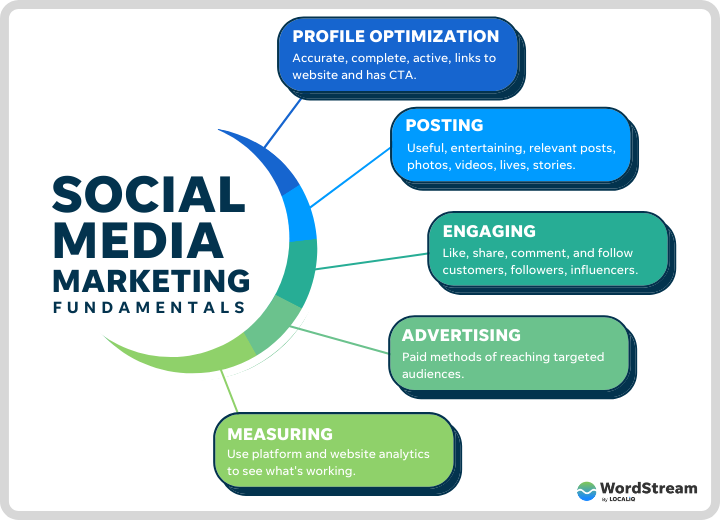
What is Social Media Marketing?
Social media marketing is a powerful strategy that businesses use to promote their products or services on social media platforms. It involves creating and sharing content on platforms like Facebook, Instagram, Twitter, and LinkedIn to engage with their target audience and drive traffic to their website. This form of marketing allows businesses to connect with their customers on a more personal level and build brand awareness.
The Importance of Social Media Marketing
Social media marketing has become an essential tool for businesses of all sizes. It provides a unique opportunity to reach a large audience, build brand loyalty, and drive sales. With billions of active users on social media platforms, businesses can tap into a vast pool of potential customers. By creating compelling and shareable content, businesses can increase their online visibility and gain more exposure.
One of the key benefits of social media marketing is its cost-effectiveness. Compared to traditional advertising methods, such as TV or print ads, social media marketing allows businesses to reach a larger audience at a fraction of the cost. This is especially beneficial for small businesses with limited marketing budgets. Additionally, social media platforms offer advanced targeting options, allowing businesses to reach their ideal customers based on demographics, interests, and behaviors.
The Role of Social Media in Business
In today’s digital age, social media plays a crucial role in the success of any business. It has revolutionized the way businesses communicate with their customers and has become a powerful tool for brand building. Social media platforms provide businesses with the opportunity to engage with their customers in real-time, respond to their queries and concerns, and build lasting relationships.
One of the main advantages of social media marketing is its ability to create a two-way conversation between businesses and their customers. Unlike traditional advertising methods, social media allows businesses to receive instant feedback and insights from their target audience. This feedback can be used to improve products or services, address customer concerns, and enhance the overall customer experience.
Furthermore, social media marketing can significantly increase brand awareness. By consistently posting high-quality content and engaging with their audience, businesses can build a strong online presence and establish themselves as industry leaders. Social media platforms also provide businesses with the opportunity to showcase their products or services through visually appealing images and videos, making it easier for customers to discover and connect with the brand.
In conclusion, social media marketing is a powerful tool that businesses can use to connect with their target audience, build brand awareness, and drive sales. It offers a cost-effective and efficient way to reach a large audience and engage with customers in real-time. By utilizing social media platforms effectively, businesses can establish a strong online presence and stay ahead of the competition. So, if you haven’t already incorporated social media marketing into your business strategy, now is the time to do so.
Key Takeaways: What is Social Media Marketing?
- Social media marketing is a way for businesses to promote their products or services on social media platforms.
- It involves creating and sharing content that engages and attracts a target audience.
- Social media marketing helps businesses build brand awareness and increase website traffic.
- It allows businesses to interact with customers, answer questions, and receive feedback.
- Effective social media marketing strategies can lead to increased sales and business growth.
Frequently Asked Questions
What are the benefits of social media marketing?
Social media marketing offers numerous benefits for businesses. Firstly, it allows you to reach a larger audience and increase brand awareness. With billions of people using social media platforms, you have the opportunity to connect with potential customers from all over the world. Secondly, social media marketing is cost-effective compared to traditional marketing methods. You can create and share content for free or invest in paid advertising to target specific demographics. Additionally, social media marketing provides valuable insights and analytics to measure the success of your campaigns and make data-driven decisions.
Furthermore, social media marketing helps build customer relationships and foster brand loyalty. By engaging with your audience through comments, messages, and shares, you can create a sense of community and establish trust. Moreover, social media platforms offer features like reviews and ratings, allowing customers to share their experiences, which can influence others’ purchasing decisions. Overall, social media marketing has become an essential tool for businesses to grow their online presence and drive sales.
How can businesses use social media marketing effectively?
To use social media marketing effectively, businesses should start by defining their goals and target audience. Understanding your objectives will help you create a tailored strategy and select the right social media platforms to focus on. It’s important to research your target audience’s demographics, interests, and online behavior to ensure that your content resonates with them.
Next, businesses should create engaging and shareable content that aligns with their brand identity. This includes a mix of text, images, videos, and infographics that provide value to your audience. Consistency is key, so establish a posting schedule and maintain an active presence. Interact with your followers, respond to comments and messages, and participate in relevant conversations.
Additionally, businesses can leverage paid advertising options offered by social media platforms to reach a wider audience and target specific demographics. By monitoring analytics and insights, you can track the performance of your campaigns and make necessary adjustments to optimize results. Lastly, staying updated with social media trends and adapting your strategies accordingly will help you stay ahead of the competition.
What are some popular social media platforms for marketing?
There are several popular social media platforms that businesses can utilize for marketing purposes. Facebook is one of the most widely used platforms, with billions of active users. It offers various advertising options, targeting features, and a wide range of content formats.
Instagram is another popular platform, particularly for businesses that rely on visual content. With its emphasis on photos and videos, it provides opportunities for creative and visually appealing marketing campaigns. Instagram also offers features like Stories and IGTV, which can be used to engage with followers and showcase products or services.
LinkedIn is a professional networking platform that is beneficial for B2B marketing and establishing industry connections. It allows businesses to share industry insights, thought leadership content, and network with professionals in their field.
Twitter is known for its real-time updates and short-form content. It can be used to share quick updates, engage in conversations, and participate in trending topics. YouTube is the leading platform for video content, making it ideal for businesses that want to create and share video advertisements, tutorials, or behind-the-scenes content.
These are just a few examples, and the choice of social media platforms should be based on your target audience and marketing objectives.
What is the role of social media influencers in marketing?
Social media influencers play a significant role in marketing by leveraging their large following and influencing their audience’s purchasing decisions. These influencers have established credibility and trust with their followers, who often view them as experts or tastemakers in specific niches. By collaborating with influencers, businesses can tap into their loyal and engaged audience to promote their products or services.
Influencer marketing can take various forms, including sponsored content, product reviews, giveaways, and brand partnerships. When selecting influencers, it’s essential to consider their relevance to your brand, their reach, and their engagement rates. Micro-influencers, who have a smaller but highly engaged following, can be particularly effective in niche markets.
Working with influencers can not only increase brand visibility but also enhance brand reputation and credibility. Consumers often trust recommendations from influencers they follow, and their endorsements can generate interest and drive sales. However, it’s important to ensure transparency and authenticity in influencer collaborations to maintain trust with your audience.
How can businesses measure the success of their social media marketing efforts?
Measuring the success of social media marketing efforts is crucial to understand the effectiveness of your strategies and make informed decisions for future campaigns. There are several key metrics and tools that businesses can use to track and analyze their performance.
One common metric is reach, which measures the number of unique users who have seen your content. It provides an indication of how wide your content’s exposure is. Engagement metrics, such as likes, comments, shares, and clicks, reflect how your audience is interacting with your content. Higher engagement rates indicate that your content is resonating with your audience.
Conversion metrics, such as click-through rates, website traffic, and conversion rates, help measure the impact of your social media marketing on driving desired actions, such as purchases or sign-ups. By setting up conversion tracking and using analytics tools, businesses can attribute conversions to specific social media campaigns.
Furthermore, sentiment analysis can provide insights into how your brand is perceived by analyzing mentions and comments. Monitoring these sentiments helps identify areas for improvement and potential issues that need addressing.
Overall, businesses should define their key performance indicators (KPIs) based on their goals and regularly analyze the data to evaluate the success of their social media marketing efforts.
Social Media Marketing In 5 Minutes | What Is Social Media Marketing? [For Beginners] | Simplilearn
Final Summary: Understanding the Power of Social Media Marketing
After diving into the world of social media marketing, it’s clear that this powerful tool has revolutionized the way businesses connect with their audience. From boosting brand awareness to driving website traffic and increasing sales, social media marketing offers a plethora of opportunities for businesses to thrive in the digital age.
In conclusion, social media marketing is not just a passing trend but a crucial aspect of any successful marketing strategy. With its ability to reach a vast and diverse audience, engage with customers on a personal level, and create authentic connections, social media has become an indispensable channel for businesses to promote their products or services. By leveraging platforms such as Facebook, Instagram, Twitter, and LinkedIn, companies can build a strong online presence, foster brand loyalty, and ultimately achieve their marketing goals.
So, whether you’re a small startup or a multinational corporation, incorporating social media marketing into your overall marketing strategy is essential. Embrace the power of social media to engage with your target audience, amplify your brand message, and stay ahead of the competition. Remember to stay up-to-date with the latest trends, experiment with different content formats, and always keep your finger on the pulse of your audience’s preferences. With dedication, creativity, and a deep understanding of your target market, social media marketing can propel your business to new heights of success.