
The world of online marketing is constantly evolving, and keeping up with the latest trends and technologies is essential for success. So, what is the future of online marketing? Let’s delve into this exciting topic and explore the possibilities that lie ahead.
In this digital age, businesses are turning to online marketing strategies to reach their target audience more effectively. The future of online marketing holds immense potential, with advancements in technology and a shift in consumer behavior. From artificial intelligence and virtual reality to personalized advertising and influencer marketing, there are countless avenues for businesses to explore and capitalize on.
As we navigate through this ever-changing landscape, it becomes crucial for marketers to stay agile and adapt to new trends. By embracing emerging technologies, leveraging data analytics, and prioritizing customer experience, businesses can stay ahead of the curve and thrive in the competitive online marketplace. So, let’s embark on this journey together and discover what the future holds for online marketing.
The future of online marketing is promising and ever-evolving. With advancements in technology and changing consumer behaviors, marketers need to stay ahead of the game. Personalization and AI will play a crucial role in delivering tailored experiences to customers. Video content will continue to dominate, and social media platforms will become even more integrated with e-commerce. Mobile optimization and voice search will also be key considerations. As online marketing continues to evolve, staying adaptable and innovative will be essential for success.
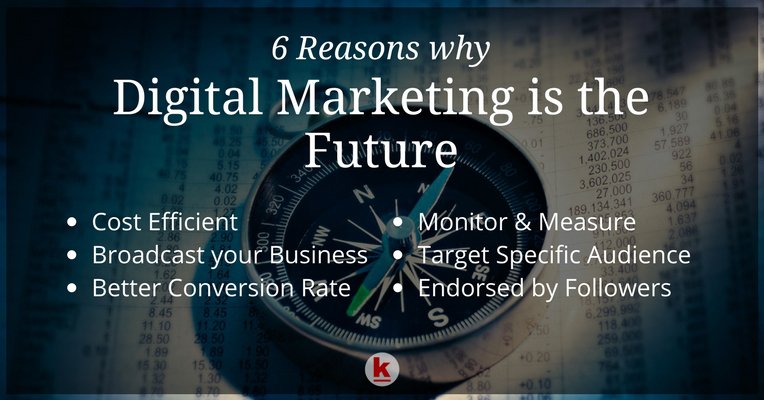
The Future of Online Marketing: What Lies Ahead?
Online marketing has revolutionized the way businesses promote their products and services. With the constant evolution of technology and the ever-changing digital landscape, it’s crucial for marketers to stay ahead of the game and anticipate what the future holds. In this article, we will explore the exciting possibilities and trends that are shaping the future of online marketing.
The Rise of Artificial Intelligence
Artificial Intelligence (AI) is no longer a concept confined to sci-fi movies; it has become an integral part of our daily lives. In the realm of online marketing, AI is transforming the way brands interact with their customers. From chatbots that provide instant assistance to personalized product recommendations, AI-powered algorithms are enhancing the customer experience like never before. Additionally, AI is also streamlining marketing processes by automating tasks such as data analysis, content creation, and ad targeting.
As AI continues to advance, marketers can expect even more sophisticated technologies that will enable them to deliver hyper-personalized and targeted campaigns. The ability to gather and analyze vast amounts of data in real-time will allow marketers to make data-driven decisions and optimize their strategies for maximum impact.
The Impact of Voice Search
Voice search is rapidly gaining popularity, thanks to the increasing adoption of smart speakers and virtual assistants like Amazon’s Alexa and Apple’s Siri. With voice search, users can now perform searches, make inquiries, and even shop online using just their voices. This trend has significant implications for online marketers, as it requires a shift in SEO strategies.
Optimizing content for voice search involves understanding and incorporating natural language patterns and long-tail keywords. Marketers need to focus on creating conversational and concise content that directly answers users’ questions. Additionally, ensuring that websites are mobile-friendly and load quickly will be crucial, as voice searches are often performed on mobile devices.
The Power of Influencer Marketing
Influencer marketing has become a powerful tool for brands to reach their target audience and build trust. As social media continues to dominate the online landscape, influencers have amassed loyal followings and have become trusted sources of recommendations and reviews. Collaborating with influencers allows brands to tap into their established communities and generate authentic engagement.
In the future, we can expect influencer marketing to become even more prevalent and sophisticated. Brands will need to carefully select influencers whose values align with their own, ensuring that partnerships are genuine and resonate with their target audience. Micro-influencers, with smaller but highly engaged followings, will also play a significant role in driving niche marketing efforts.
The Role of Big Data in Online Marketing
Big Data has transformed the way marketers understand and connect with their customers. By analyzing vast amounts of data, marketers gain valuable insights into consumer behavior, preferences, and trends. This information enables them to create targeted campaigns that resonate with their audience.
In the future, the importance of Big Data will only continue to grow. With advancements in technology, marketers will have access to even more data points, allowing for more precise targeting and personalization. However, it’s crucial for marketers to ensure that they handle data ethically and transparently, respecting consumer privacy and building trust.
The Evolution of Content Marketing
Content marketing has been a cornerstone of online marketing strategies for years, and it will continue to play a crucial role in the future. However, the way content is consumed and delivered is evolving. Short attention spans and information overload necessitate a shift towards more interactive and engaging content formats.
Video content, live streaming, virtual reality (VR), and augmented reality (AR) are all emerging trends in content marketing. These formats provide immersive experiences that capture users’ attention and allow brands to tell their stories in unique ways. Interactive content, such as quizzes, polls, and games, also encourages active participation and fosters deeper engagement.
The Importance of Mobile Marketing
Mobile devices have become an integral part of our lives, and mobile marketing is a crucial aspect of any online marketing strategy. With the increasing use of smartphones and tablets, marketers must ensure that their websites are mobile-friendly and optimized for a seamless user experience.
As technology continues to advance, mobile marketing will go beyond responsive design and mobile ads. Location-based marketing, mobile payments, and personalized push notifications are just a few examples of the exciting possibilities that lie ahead. Marketers will need to leverage these tools to deliver targeted and relevant messages to their audience at the right time and place.
Future-Proofing Your Online Marketing Strategy
As the future of online marketing unfolds, it’s essential for marketers to adapt and embrace new technologies and trends. Staying informed, experimenting with innovative strategies, and continuously learning will be key to staying ahead of the competition and reaching target audiences effectively.
Remember, the future of online marketing is all about delivering personalized experiences, building authentic connections, and leveraging data to drive results. By staying agile and embracing change, marketers can navigate the ever-evolving digital landscape with confidence and success.
Key Takeaways – The Future of Online Marketing
- Online marketing is constantly evolving and will continue to do so in the future.
- Artificial Intelligence (AI) will play a major role in optimizing marketing strategies.
- Personalization and targeted advertising will become even more important.
- Video content will dominate the online marketing landscape.
- Mobile marketing will continue to grow as more people use smartphones and tablets.
Frequently Asked Questions
Question 1: How will artificial intelligence impact online marketing in the future?
Artificial intelligence (AI) is set to revolutionize online marketing in the coming years. With AI-powered tools and algorithms becoming more sophisticated, marketers will have access to powerful insights and automation capabilities. AI will enable marketers to personalize customer experiences at scale, predict customer behavior, and optimize campaigns for better results.
Additionally, AI will play a crucial role in data analysis and decision-making. By analyzing vast amounts of data in real-time, AI algorithms can identify patterns, trends, and correlations that humans might overlook. This will help marketers make data-driven decisions and improve the effectiveness of their online marketing strategies.
Question 2: What role will voice search play in the future of online marketing?
Voice search is rapidly gaining popularity with the rise of virtual assistants like Siri, Alexa, and Google Assistant. In the future, voice search will have a significant impact on online marketing. Marketers will need to optimize their content for voice search queries, as the way people search for information will change.
With voice search, the emphasis will be on providing concise and accurate answers to users’ queries. Marketers will need to understand the nuances of voice search and optimize their content accordingly, by using natural language and long-tail keywords. Voice search will also open up new opportunities for targeted advertising and personalized recommendations based on user preferences.
Question 3: How will augmented reality (AR) and virtual reality (VR) shape the future of online marketing?
Augmented reality (AR) and virtual reality (VR) have the potential to transform the way consumers interact with brands and products online. AR and VR technologies will allow marketers to create immersive and interactive experiences that engage customers on a whole new level.
In the future, customers will be able to virtually try on clothes, visualize home décor in their own spaces, or experience virtual tours of destinations, all from the comfort of their homes. Marketers will need to adapt their strategies to incorporate AR and VR elements, creating captivating experiences that drive engagement and increase conversion rates.
Question 4: How will data privacy regulations impact online marketing in the future?
Data privacy regulations, such as the General Data Protection Regulation (GDPR), are already having a significant impact on online marketing practices. In the future, we can expect stricter regulations to protect consumer data and privacy.
Marketers will need to ensure compliance with these regulations and be transparent about the data they collect and how it is used. This will require a shift towards obtaining explicit consent from users and implementing robust data protection measures. While these regulations may pose challenges, they also present an opportunity for marketers to build trust with their audience and deliver more targeted and relevant experiences.
Question 5: How will the rise of mobile usage affect online marketing in the future?
The increasing use of smartphones and mobile devices has already transformed the online marketing landscape. In the future, mobile will continue to dominate as the primary platform for accessing the internet. Marketers will need to prioritize mobile optimization and ensure that their websites and campaigns are mobile-friendly.
Mobile marketing strategies will need to evolve to deliver seamless experiences across devices and leverage technologies like mobile apps, location-based targeting, and push notifications. Marketers will also need to consider the unique challenges and opportunities presented by mobile, such as smaller screens and shorter attention spans, to effectively engage and convert mobile users.
5 Explosive Digital Marketing Strategies for 2023 (BIG Changes Ahead!)
Final Summary: What Lies Ahead for Online Marketing?
As we navigate the ever-changing landscape of online marketing, one thing is clear: the future is bright and full of endless possibilities. With advancements in technology and shifts in consumer behavior, the world of digital advertising is evolving at a rapid pace. In this final summary, let’s explore some key takeaways and predictions for what lies ahead in the exciting realm of online marketing.
The first thing to note is the increasing importance of personalized experiences. In the future, successful marketers will harness the power of data to create tailored and relevant content that resonates with their target audience. By understanding their customers on a deeper level, brands can deliver messages that truly connect and foster long-term relationships. This shift towards personalization will not only enhance customer satisfaction but also drive higher conversion rates and brand loyalty.
Another trend that will shape the future of online marketing is the rise of voice search and smart devices. With the popularity of voice assistants like Siri and Alexa, consumers are becoming more comfortable interacting with technology through voice commands. This means that marketers will need to optimize their content for voice search, focusing on conversational keywords and natural language. By adapting to this emerging trend, businesses can ensure that their brand remains visible and accessible to a growing number of voice-enabled users.
In conclusion, the future of online marketing holds great promise. By embracing personalization and adapting to the rise of voice search, businesses can stay ahead of the curve and continue to thrive in the digital landscape. So, buckle up and get ready to ride the wave of innovation, because the world of online marketing is only getting started. Let your creativity and strategic thinking guide you as you navigate this exciting journey towards success.