
Voice search has revolutionized the way we interact with technology, and its impact on online marketing cannot be ignored. With the rise of voice assistants like Siri, Alexa, and Google Assistant, more and more people are using their voices to search for information instead of typing. So, what does this mean for online marketers? Well, it’s a game-changer! Voice search is reshaping the landscape of online marketing, and businesses need to adapt to stay ahead of the curve.
In the world of online marketing, visibility is key. And with voice search becoming increasingly popular, businesses must optimize their content to rank high on search engine results pages (SERPs). That’s where search engine optimization (SEO) comes into play. SEO involves optimizing your website and content to make it more search engine-friendly. By incorporating relevant keywords and phrases that people are likely to use in voice searches, businesses can increase their chances of appearing in voice search results. This means that online marketers need to be strategic in their approach and consider how people are phrasing their queries when using voice search.
Furthermore, the impact of voice search goes beyond just SEO. It also affects the way businesses communicate with their audience. Voice search is more conversational in nature, with users asking complete questions or making specific requests. This means that marketers need to adjust their content to address these queries in a natural and conversational manner. By creating content that answers common questions and provides valuable information, businesses can position themselves as trusted authorities in their respective industries.
In conclusion, the impact of voice search on online marketing is significant. It requires marketers to optimize their content for voice search and adapt their communication styles to meet the needs of voice search users. By staying ahead of the curve and embracing this new technology, businesses can enhance their online visibility and connect with their target audience in a more meaningful way. So, don’t miss out on the opportunities that voice search presents. Embrace it, optimize for it, and watch your online marketing efforts soar to new heights.
What is the Impact of Voice Search on Online Marketing?
Voice search has revolutionized the way people interact with technology, and its impact on online marketing cannot be overlooked. With the rise of virtual assistants like Amazon Alexa, Google Assistant, and Apple Siri, voice search has become an integral part of our daily lives. This technology allows users to perform searches, make purchases, and get information simply by speaking to their devices. As a result, businesses and marketers need to understand and adapt to the impact of voice search on online marketing strategies.
The Rise of Voice Search
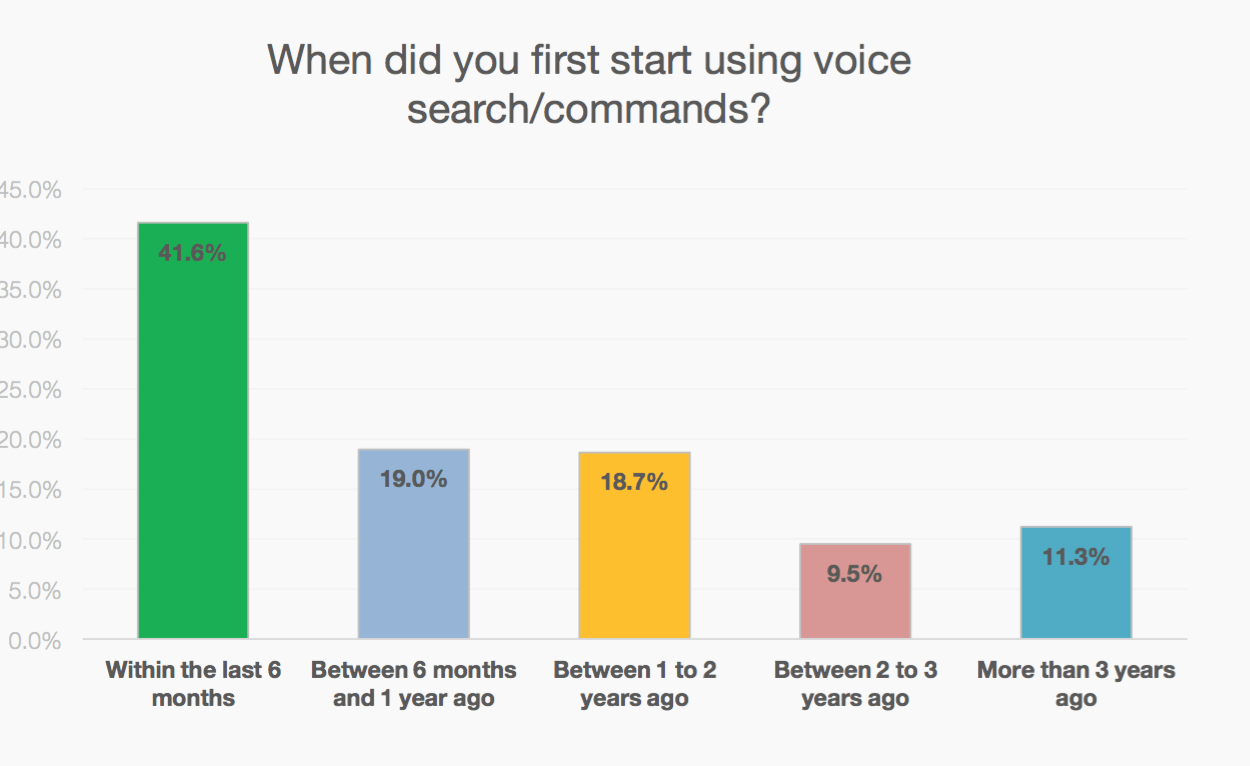
Voice search has gained significant popularity in recent years due to its convenience and accessibility. It has become a preferred method of search for many users because it eliminates the need for typing and provides faster results. The ease of use and hands-free nature of voice search make it particularly appealing for multitasking and on-the-go individuals.
The increasing prevalence of smart speakers and voice-enabled devices has also contributed to the rise of voice search. According to a report by Juniper Research, there will be 8 billion digital voice assistants in use by 2023. This shows the growing adoption of voice search technology and its potential impact on online marketing.
Changing User Behavior and Search Patterns
Voice search has fundamentally changed the way users interact with search engines and browse the internet. When using voice search, people tend to use more conversational and natural language compared to traditional text-based searches. Instead of typing short keywords or phrases, users ask complete questions or make specific requests. This shift in search patterns has significant implications for online marketers.
Firstly, it requires marketers to optimize their content for long-tail keywords and natural language queries. By understanding the questions and phrases users are likely to ask, marketers can create targeted content that aligns with their audience’s search intent. This can boost organic search visibility and improve the chances of appearing in voice search results.
Secondly, voice search often provides users with a single answer or a concise response, known as a featured snippet. This means that marketers need to strive for position zero, the coveted top spot in search engine results, to increase the likelihood of being featured as the answer to a user’s voice query. The featured snippet provides an opportunity to showcase expertise, build brand authority, and drive organic traffic to a website.
Impact on Local Search and Mobile Optimization
One of the significant impacts of voice search on online marketing is its influence on local search and mobile optimization. Voice search is commonly used for local queries, such as finding nearby restaurants, stores, or services. This presents an opportunity for businesses to improve their local search presence and attract potential customers who are actively searching for products or services in their area.
To capitalize on voice search for local marketing, businesses should focus on optimizing their online listings, such as Google My Business, Yelp, and other directories. Providing accurate and up-to-date information about the business’s location, hours of operation, and contact details can increase the chances of appearing in voice search results for relevant queries.
Additionally, voice search is closely tied to mobile devices, as many users perform voice searches on their smartphones. Therefore, it is crucial for businesses to have a mobile-friendly website that loads quickly and provides a seamless user experience. Optimizing for mobile devices not only enhances the user experience but also improves search engine rankings, as Google prioritizes mobile-friendly websites in its search results.
Opportunities for Personalized Marketing
Voice search opens up new opportunities for personalized marketing. Virtual assistants and voice-enabled devices collect data about users’ preferences, behaviors, and search history. This data can be leveraged by marketers to deliver targeted and personalized content to their audience.
By understanding the context in which voice searches are made, marketers can tailor their marketing strategies to meet the specific needs and interests of their target audience. This can be achieved through personalized recommendations, location-based offers, and voice-activated promotions. Personalized marketing not only enhances the user experience but also improves customer engagement and loyalty.
In conclusion, voice search has had a profound impact on online marketing. It has changed user behavior and search patterns, necessitating the optimization of content for long-tail keywords and natural language queries. Voice search also influences local search and mobile optimization, providing opportunities for businesses to improve their visibility and attract local customers. Furthermore, it opens up new avenues for personalized marketing, allowing marketers to deliver targeted and relevant content to their audience. As voice search continues to evolve and grow in popularity, it is essential for businesses and marketers to adapt their strategies to leverage its potential and stay ahead in the ever-changing digital landscape.
Key Takeaways: The Impact of Voice Search on Online Marketing
- Voice search is becoming increasingly popular, allowing users to search for information using spoken commands.
- Online marketers need to optimize their content for voice search by using conversational language and natural phrases.
- Voice search results often provide concise answers, so marketers should focus on creating content that directly answers user queries.
- Local businesses can benefit from voice search by ensuring their listings are accurate and up-to-date to attract nearby customers.
- Voice search can lead to changes in search behavior, with users asking longer and more specific questions, requiring marketers to adapt their strategies accordingly.
Frequently Asked Questions
How does voice search impact online marketing?
Voice search has revolutionized the way people search for information online. With the rise of virtual assistants like Siri, Alexa, and Google Assistant, more and more users are opting to speak their queries instead of typing them. This shift in search behavior has significant implications for online marketing.
Firstly, voice search has increased the importance of optimizing content for natural language queries. Voice searches tend to be longer and more conversational compared to typed searches. As a result, marketers need to focus on creating content that answers specific questions and provides relevant information.
What are the benefits of optimizing for voice search?
Optimizing for voice search can bring several benefits to online marketing strategies. Firstly, it can increase website traffic and visibility. By targeting long-tail keywords and optimizing content for natural language queries, businesses can attract more voice search users and improve their search engine rankings.
Secondly, voice search optimization can enhance user experience. When a website provides accurate and concise answers to voice queries, it helps users find information quickly and easily. This can lead to higher engagement, longer session durations, and increased conversions.
How can businesses adapt their SEO strategies for voice search?
Adapting SEO strategies for voice search requires a few key considerations. Firstly, businesses should focus on long-tail keywords that mimic natural language queries. These keywords often include question words like “how,” “what,” and “where.” Incorporating these keywords into website content and metadata can improve visibility in voice search results.
Secondly, businesses should prioritize mobile optimization. Voice searches are commonly performed on mobile devices, so ensuring that websites are mobile-friendly and load quickly is crucial. Additionally, optimizing for local search is essential, as many voice searches are location-based.
What role does voice search play in local marketing?
Voice search has a significant impact on local marketing. With the increasing popularity of voice assistants, more users are seeking local information through voice queries. This presents a great opportunity for businesses to optimize their online presence for local voice searches.
Businesses can start by claiming and optimizing their Google My Business listing, as voice assistants often use this information to provide local search results. They should also focus on creating content that includes location-specific keywords and addresses common local queries. By catering to local voice search users, businesses can attract more foot traffic and increase their visibility within their target market.
What are the future implications of voice search on online marketing?
The future implications of voice search on online marketing are vast. As technology continues to advance, voice assistants are becoming more sophisticated and integrated into various devices and platforms. This means that voice search will only continue to grow in popularity.
For online marketers, this means a greater emphasis on voice search optimization. Businesses will need to stay updated with the latest voice search trends and adapt their strategies accordingly. Additionally, voice commerce, or “v-commerce,” is expected to play a significant role in the future, allowing users to make purchases and transactions through voice commands. Marketers should prepare for this shift by exploring opportunities for voice-based advertising and optimizing their e-commerce platforms for voice search.
Role of voice search in Online Marketing I Everything you need to know
Final Summary: The Impact of Voice Search on Online Marketing
In today’s digital landscape, voice search has emerged as a game-changer in the world of online marketing. With the rise of virtual assistants like Siri, Alexa, and Google Assistant, more and more people are using their voices to search for information, products, and services. This shift has significant implications for businesses and marketers alike.
First and foremost, voice search has revolutionized the way people find and consume online content. Instead of typing keywords into a search bar, users can simply ask a question or make a command, and the virtual assistant will provide them with spoken results. This means that businesses need to optimize their websites and content to be voice-search friendly, ensuring that they appear in the search results for relevant queries. By incorporating conversational keywords and phrases, businesses can increase their visibility and reach a wider audience.
Furthermore, voice search has also changed the way online ads are delivered. As virtual assistants become more sophisticated, they are able to provide personalized recommendations and suggestions to users. This opens up new opportunities for targeted advertising, allowing businesses to reach their ideal customers at the right moment. By leveraging voice search technology, marketers can create highly relevant and personalized ads that resonate with their audience, leading to increased conversions and customer engagement.
In conclusion, the impact of voice search on online marketing cannot be underestimated. It has transformed the way people search for information and has created new avenues for businesses to connect with their target audience. By adapting to this emerging trend and optimizing their online presence for voice search, businesses can stay ahead of the curve and capitalize on the opportunities it presents. So, embrace the power of voice search and watch your online marketing efforts soar to new heights!