
Storytelling is a powerful tool that has captivated humans for centuries. From ancient tales passed down through generations to modern-day blockbuster movies, stories have a way of captivating our attention and evoking emotions. But what does storytelling have to do with marketing? Well, my friend, the answer is quite simple. Storytelling plays a crucial role in marketing by creating a connection between brands and consumers, capturing their attention, and leaving a lasting impression. So, if you’re wondering why storytelling is so important in the world of marketing, stick around as we dive into the enchanting world of storytelling and its impact on the marketing landscape.
In today’s fast-paced digital era, where consumers are bombarded with an overwhelming amount of information, attention spans have become shorter than ever. As a result, traditional advertising methods are becoming less effective in capturing the attention of consumers. This is where storytelling comes into play. By weaving a narrative around their brand, marketers can engage their audience on a deeper level, creating an emotional connection that goes beyond the product or service being offered. Storytelling allows brands to stand out from the crowd and differentiate themselves in a sea of advertisements. It humanizes the brand, making it relatable and memorable. So, whether it’s through a compelling video, a heartfelt blog post, or an interactive social media campaign, storytelling has the power to cut through the noise and leave a lasting impact on consumers. And that, my friend, is why storytelling is an essential ingredient in the recipe for successful marketing.
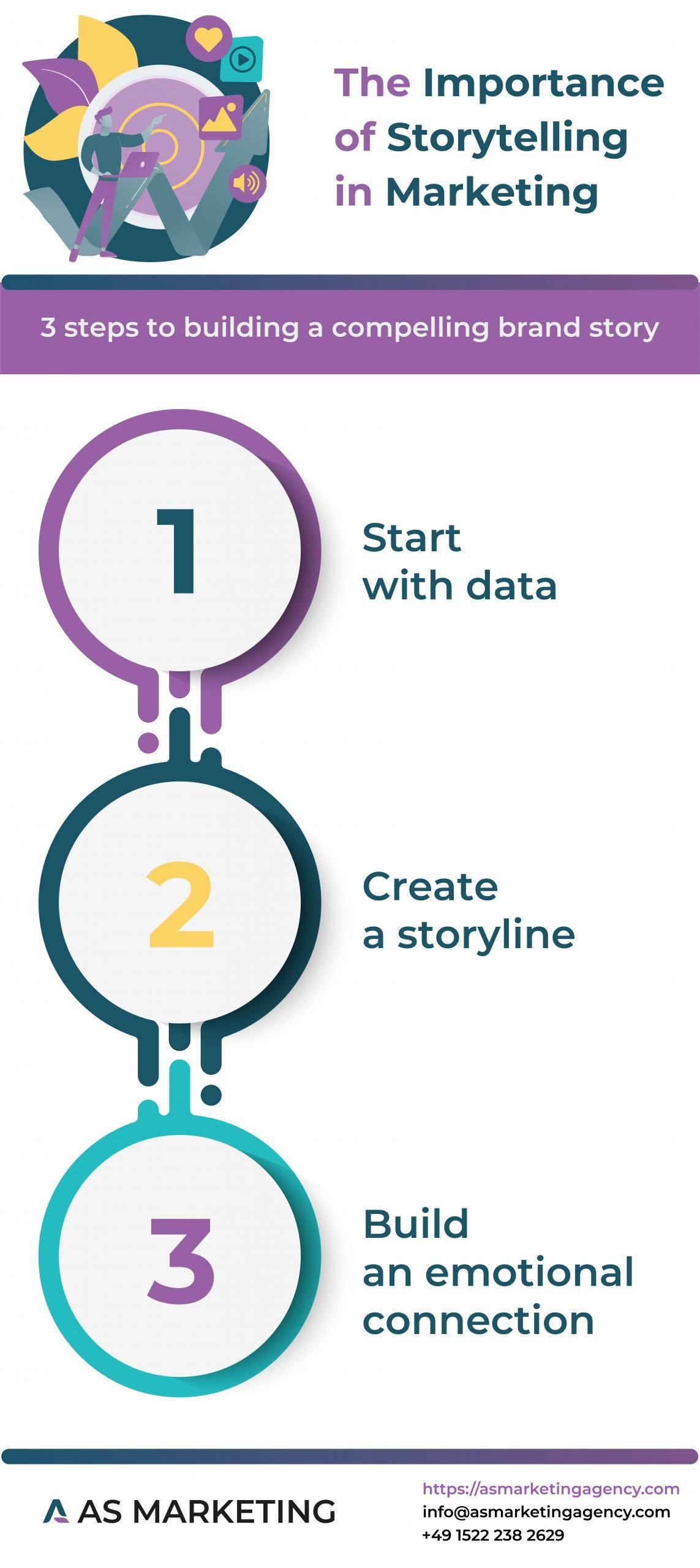
What is the Role of Storytelling in Marketing?
Storytelling has become an integral part of marketing strategies in recent years. Brands are recognizing the power of storytelling in connecting with their audience on a deeper level and creating a lasting impact. In today’s digital age, where consumers are bombarded with advertisements and promotional messages, storytelling offers a unique approach to stand out and engage customers. It goes beyond the traditional marketing tactics and taps into the emotional and psychological aspects of human nature. So, what exactly is the role of storytelling in marketing? Let’s explore this question further.
Building Emotional Connections
One of the key roles of storytelling in marketing is its ability to build emotional connections with the audience. Through compelling narratives, brands can evoke emotions, such as joy, sadness, nostalgia, or excitement, that resonate with their target customers. By triggering these emotions, storytelling creates a memorable experience that goes beyond the product or service being promoted. When consumers feel emotionally connected to a brand, they are more likely to develop loyalty and become brand advocates. This emotional connection can be a powerful tool for marketers to create long-term relationships with their customers.
Storytelling also allows brands to humanize their message and make it relatable to the audience. By sharing authentic stories, brands can show the human side of their business and connect with customers on a personal level. Through storytelling, businesses can portray their values, beliefs, and mission, which can resonate with consumers who share similar values. This connection builds trust and credibility, making customers more likely to choose a brand that aligns with their own values and beliefs.
Creating a Memorable Brand Identity
Another role of storytelling in marketing is its ability to create a memorable brand identity. Through storytelling, brands can differentiate themselves from their competitors and establish a unique identity in the minds of their target audience. A well-crafted brand story can communicate the essence of the brand, its history, values, and personality. This helps consumers to understand and connect with the brand on a deeper level, making it more memorable and recognizable.
Storytelling also enables brands to showcase their expertise and authority in their respective industries. By sharing stories that highlight their knowledge and experience, brands can position themselves as thought leaders and gain the trust of their audience. When customers perceive a brand as knowledgeable and trustworthy, they are more likely to choose that brand over its competitors.
The Power of Storytelling in Marketing Campaigns
Incorporating storytelling into marketing campaigns can significantly enhance their effectiveness. Whether it’s through videos, social media posts, blog articles, or advertisements, storytelling can bring campaigns to life and captivate the audience. A well-told story can grab attention, keep the audience engaged, and leave a lasting impression.
One way to utilize storytelling in marketing campaigns is by showcasing real-life customer stories or testimonials. By sharing how a product or service has positively impacted someone’s life, brands can create a sense of authenticity and credibility. This helps potential customers to visualize themselves using the product or service and experiencing similar benefits.
Another effective way to incorporate storytelling is by using narratives that revolve around the brand’s values and mission. By aligning the campaign with a cause or a purpose, brands can create a sense of purpose-driven marketing. This not only resonates with customers who share similar values but also portrays the brand as socially responsible and conscious.
Using storytelling in marketing campaigns allows brands to engage with their audience on a deeper level and create a memorable experience. By tapping into the emotional and psychological aspects of human nature, storytelling has the power to influence consumer behavior and drive brand loyalty. It is an essential tool in the modern marketing landscape, enabling brands to stand out, connect, and leave a lasting impact on their target audience.
Key Takeaways: What is the role of storytelling in marketing?
- Storytelling in marketing helps create a connection with customers.
- Using stories in marketing helps to capture attention and make messages more memorable.
- Stories evoke emotions, which can influence purchasing decisions.
- Storytelling allows brands to differentiate themselves from competitors.
- Effective storytelling can build trust and loyalty with customers.
Frequently Asked Questions
1. How does storytelling impact marketing strategies?
Storytelling plays a crucial role in marketing as it helps brands connect with their target audience on a deeper level. By using narratives and emotions, storytelling helps create a memorable and engaging experience for consumers. It allows brands to communicate their values, mission, and unique selling points in a more relatable and authentic way, making them stand out in a crowded marketplace.
Moreover, storytelling helps build trust and credibility with consumers. When a brand shares stories that resonate with their audience, it establishes an emotional connection, which can lead to increased brand loyalty and customer retention. By incorporating storytelling into marketing strategies, brands can differentiate themselves, evoke emotions, and ultimately drive consumer actions.
2. How can storytelling enhance brand storytelling?
Storytelling enhances brand storytelling by providing a compelling narrative that captivates the audience. It allows brands to showcase their personality, values, and unique selling proposition in a way that resonates with consumers. By crafting a well-rounded brand story, companies can establish a strong brand identity and differentiate themselves from competitors.
Furthermore, storytelling helps humanize brands by creating an emotional connection with consumers. It allows brands to share relatable stories that evoke emotions, making the audience feel connected and understood. When consumers feel emotionally invested in a brand, they are more likely to become loyal customers and brand advocates.
3. How can storytelling be used to create effective marketing campaigns?
To create effective marketing campaigns, storytelling can be used to evoke emotions, engage the audience, and convey a brand’s message. By incorporating storytelling elements such as characters, conflict, and resolution, marketers can create narratives that resonate with consumers.
Additionally, storytelling can be used to create a sense of authenticity and transparency. By sharing real-life stories of customers or employees, brands can showcase the impact of their products or services in a genuine way. This helps build trust and credibility, leading to higher consumer engagement and conversion rates.
4. What are the benefits of using storytelling in content marketing?
Using storytelling in content marketing offers numerous benefits. Firstly, it helps grab the audience’s attention and keeps them engaged. Stories have a natural ability to capture people’s interest, making them more likely to consume the content and remember the brand behind it.
Secondly, storytelling can make complex information more digestible and relatable. By presenting information in a narrative format, brands can simplify complex concepts and make them easier for the audience to understand and remember.
Lastly, storytelling in content marketing can increase brand awareness and recognition. When brands consistently use storytelling in their content, they create a cohesive and memorable brand identity. This helps consumers associate the brand with specific values or emotions, making it more likely for them to choose that brand over competitors.
5. How can storytelling be used to build customer trust?
Storytelling can be a powerful tool for building customer trust. By sharing stories that highlight a brand’s values, mission, and commitment to customer satisfaction, brands can establish credibility and authenticity.
Additionally, storytelling allows brands to showcase their expertise and experience in solving customer problems. By sharing success stories or case studies, brands can demonstrate their ability to deliver results, thereby building trust and confidence in their offerings.
Furthermore, storytelling humanizes brands by creating an emotional connection with customers. When brands share stories that resonate with their audience, it shows empathy and understanding, fostering trust and loyalty.
Business Storytelling Made Easy | Kelly Parker | TEDxBalchStreet
Final Thoughts
Storytelling has become an indispensable tool in the world of marketing. It allows brands to connect with their audience on a deeper level, creating emotional connections and fostering brand loyalty. By using HTML snippets, we can see just how important storytelling is in the realm of marketing.
In conclusion, storytelling in marketing serves as a powerful means of capturing the attention and interest of consumers. It enables brands to communicate their message in a compelling and memorable way, leaving a lasting impact on their target audience. By incorporating relevant keywords and following SEO best practices, businesses can ensure that their stories reach a wider audience and rank high on search engine results. So, whether it’s through engaging blog posts, captivating videos, or captivating social media campaigns, storytelling remains a vital component of successful marketing strategies. Embrace the power of storytelling and watch your brand soar to new heights.