
When it comes to e-commerce marketing, there’s one player that simply cannot be ignored: social media. In today’s digital age, social media platforms have become a powerful tool for businesses to connect with their target audience and drive sales. But what role does social media play in e-commerce marketing? Let’s dive into the world of social media marketing and uncover how it impacts the world of online shopping.
In the realm of e-commerce, social media acts as a virtual storefront, enticing customers to step inside and explore what a brand has to offer. With billions of people using platforms like Facebook, Instagram, and Twitter, businesses have an unprecedented opportunity to reach a vast audience and promote their products or services. Social media allows companies to showcase their offerings through visually appealing posts, engaging videos, and compelling storytelling. By leveraging these platforms, businesses can create a strong online presence and establish a direct line of communication with their customers. So, whether it’s through captivating images, entertaining videos, or engaging captions, social media plays a vital role in capturing the attention and interest of potential buyers.
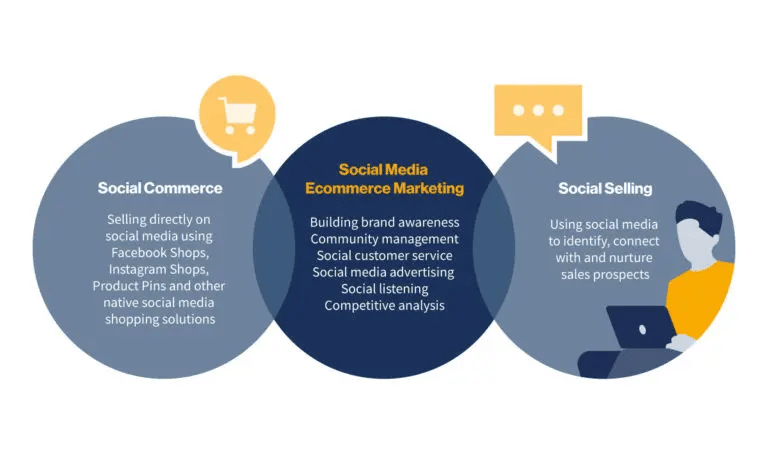
What Role Does Social Media Play in E-commerce Marketing?
Social media has become an integral part of our daily lives, and it has also revolutionized the way businesses operate. In the world of e-commerce, social media plays a significant role in marketing strategies. It offers a platform for businesses to connect with their target audience, build brand awareness, and drive sales. In this article, we will explore the various ways social media impacts e-commerce marketing and how businesses can leverage its power to maximize their online presence and success.
1. Building a Strong Online Presence
Social media provides businesses with a powerful tool to establish and strengthen their online presence. Through platforms like Facebook, Instagram, Twitter, and LinkedIn, companies can create profiles and pages dedicated to their brand. This allows them to showcase their products or services, interact with customers, and share valuable content. By consistently posting engaging and relevant content, businesses can attract and retain a loyal following, increasing their visibility and credibility.
Additionally, social media allows businesses to personalize their brand and connect with their target audience on a more personal level. By sharing behind-the-scenes glimpses, customer testimonials, and user-generated content, companies can humanize their brand and build trust with their customers. This personal connection fosters brand loyalty and encourages repeat business.
1.1 Benefits of Building a Strong Online Presence
Building a strong online presence through social media offers several benefits for e-commerce businesses. Firstly, it allows businesses to reach a wider audience. With billions of active users on social media platforms, businesses can tap into a vast pool of potential customers. This increased reach translates to more opportunities for conversions and sales.
Secondly, a strong online presence enhances brand awareness. By consistently posting engaging content and interacting with followers, businesses can increase their visibility and recognition. When customers are familiar with a brand, they are more likely to choose it over competitors.
Lastly, a well-established online presence can boost website traffic and improve search engine rankings. Social media profiles and posts often appear in search engine results, driving organic traffic to a company’s website. Additionally, social media platforms are a valuable source of backlinks, which can positively impact a website’s SEO efforts.
2. Driving Website Traffic and Sales
One of the primary goals of e-commerce marketing is to drive traffic to a business’s website and convert visitors into paying customers. Social media serves as an effective channel for achieving this goal. By strategically promoting products or services on social media platforms, businesses can generate interest and direct users to their website.
Social media platforms offer various features and tools that facilitate driving traffic and sales. For example, businesses can create eye-catching posts with compelling visuals and persuasive copy to entice users to click on links leading to their website. Additionally, platforms like Instagram and Pinterest allow businesses to tag products in their posts, enabling users to shop directly from the platform.
2.1 Increasing Conversions through Social Media Advertising
To further amplify their reach and drive conversions, businesses can utilize social media advertising. Platforms like Facebook and Instagram offer robust advertising tools that allow businesses to target specific demographics, interests, and behaviors. This targeted approach ensures that businesses are reaching the most relevant audience for their products or services.
Social media ads can be highly effective in driving conversions due to their engaging and visually appealing nature. By utilizing captivating images or videos, businesses can capture users’ attention and encourage them to take action, such as making a purchase or signing up for a newsletter.
3. Building Brand Loyalty and Customer Engagement
In the competitive world of e-commerce, building brand loyalty and engaging with customers are crucial for long-term success. Social media provides the perfect platform for businesses to foster these relationships. By actively engaging with followers through comments, messages, and social media groups, businesses can create a sense of community and loyalty.
Moreover, social media allows businesses to gather valuable feedback from their customers. By monitoring comments and direct messages, businesses can gain insights into customer preferences, concerns, and suggestions. This feedback can be used to improve products, services, and overall customer experience, ultimately enhancing customer satisfaction and loyalty.
3.1 Leveraging User-Generated Content
User-generated content (UGC) is a powerful tool for building brand loyalty and credibility. UGC refers to content created by customers and shared on social media platforms, such as reviews, testimonials, and photos featuring the brand’s products. By sharing UGC on their own social media profiles, businesses can showcase satisfied customers and encourage others to engage with their brand.
UGC also helps in building trust with potential customers. When they see real people using and enjoying a product or service, they are more likely to trust the brand and make a purchase. Additionally, UGC serves as social proof, demonstrating that a brand’s products or services are reliable and of high quality.
4. Leveraging Influencer Marketing
Influencer marketing has gained significant traction in recent years, and social media is at the forefront of this trend. Influencers are individuals who have established a large and engaged following on social media platforms. By partnering with influencers relevant to their industry, e-commerce businesses can leverage their influence to promote their products or services.
Influencer marketing offers several benefits for e-commerce businesses. Firstly, it allows them to tap into the influencer’s existing audience, reaching a highly targeted demographic. Secondly, influencers have built trust and credibility with their followers, making their recommendations more persuasive. Lastly, influencer marketing can generate authentic and engaging content that showcases the brand in a relatable and aspirational way.
4.1 Finding the Right Influencers
When implementing influencer marketing, it is crucial to find the right influencers for the brand. The chosen influencers should align with the brand’s values, target audience, and overall marketing objectives. Researching an influencer’s engagement rates, audience demographics, and previous brand collaborations can provide valuable insights into their suitability for a partnership.
In conclusion, social media plays a vital role in e-commerce marketing. It allows businesses to build a strong online presence, drive website traffic and sales, build brand loyalty and customer engagement, and leverage the power of influencer marketing. By effectively utilizing social media platforms and strategies, e-commerce businesses can enhance their visibility, reach their target audience, and ultimately thrive in the competitive online marketplace.
Key Takeaways: What role does social media play in e-commerce marketing?
- Social media helps businesses promote their products or services to a wider audience.
- Platforms like Facebook, Instagram, and Twitter allow companies to engage with customers and build brand loyalty.
- Through social media, businesses can gather valuable insights about customer preferences and behaviors.
- It provides a platform for customer reviews and recommendations, influencing purchase decisions.
- Social media advertising enables targeted marketing campaigns to reach specific demographics.
Frequently Asked Questions
How does social media contribute to e-commerce marketing?
Social media plays a significant role in e-commerce marketing by providing a platform for businesses to connect with their target audience, build brand awareness, and drive sales. With billions of users actively engaging on platforms like Facebook, Instagram, Twitter, and Pinterest, businesses have the opportunity to reach a wide audience and promote their products or services.
Through social media, businesses can create compelling content, share product updates, run targeted advertisements, and engage with customers through comments, messages, and reviews. Social media also allows for user-generated content, where customers can share their experiences with a brand, further enhancing its reputation and credibility. Overall, social media enables businesses to establish an online presence, build customer relationships, and drive traffic to their e-commerce websites.
What are the benefits of using social media for e-commerce marketing?
Using social media for e-commerce marketing offers numerous benefits for businesses. Firstly, it provides a cost-effective way to reach a large audience. Unlike traditional advertising methods, social media platforms allow businesses to target specific demographics, interests, and behaviors, ensuring that their marketing efforts are focused on the right audience.
Secondly, social media enables businesses to build brand loyalty and trust. By consistently sharing valuable content, engaging with customers, and providing excellent customer service, businesses can establish themselves as industry experts and create a loyal customer base. Social media also allows for direct communication with customers, providing an avenue for addressing queries, concerns, and feedback in a timely manner.
How can social media drive sales in e-commerce marketing?
Social media has the power to drive sales in e-commerce marketing through various strategies. One effective approach is to create compelling and visually appealing content showcasing products or services. By leveraging platforms like Instagram and Pinterest, businesses can entice customers with eye-catching images and videos that highlight the features and benefits of their offerings.
Additionally, social media platforms offer advertising options that allow businesses to target specific audience segments based on demographics, interests, or past purchase behavior. By running targeted ads, businesses can reach potential customers who are more likely to convert into sales. Social media also provides opportunities for collaborations and partnerships, such as influencer marketing, where businesses can leverage the reach and influence of popular social media personalities to promote their products or services.
What role does social media analytics play in e-commerce marketing?
Social media analytics play a crucial role in e-commerce marketing by providing valuable insights into the effectiveness of marketing strategies and campaigns. Through analytics tools provided by social media platforms, businesses can track key metrics such as reach, engagement, click-through rates, and conversions.
These analytics help businesses understand which types of content resonate with their audience, which platforms are driving the most traffic, and which campaigns are generating the highest return on investment. By analyzing this data, businesses can make data-driven decisions to optimize their social media marketing efforts, refine their targeting strategies, and allocate resources effectively.
How can businesses use social media to enhance customer engagement in e-commerce marketing?
Social media offers various tools and features that businesses can utilize to enhance customer engagement in e-commerce marketing. One effective way is to create interactive content such as polls, quizzes, or contests, which encourage customers to actively participate and share their opinions or experiences.
Businesses can also leverage user-generated content by encouraging customers to share their photos, reviews, or testimonials related to their products or services. This not only increases engagement but also builds social proof and credibility. Additionally, responding to customer comments, messages, and reviews in a timely and personalized manner shows that the business values its customers and is committed to providing excellent customer service.
Introduction to social media marketing | Google Digital Marketing & E-commerce Certificate
Final Thoughts: The Power of Social Media in E-commerce Marketing
In this digital age, social media has emerged as a game-changer in the world of e-commerce marketing. It has revolutionized the way businesses connect with their target audience and promote their products or services. By harnessing the immense power of social media platforms, companies can effectively build brand awareness, drive traffic to their websites, and ultimately boost sales. The role of social media in e-commerce marketing cannot be underestimated, and its impact is only set to grow in the future.
One of the key advantages of using social media for e-commerce marketing is its ability to reach a wide audience. With billions of active users on platforms like Facebook, Instagram, and Twitter, businesses have a vast pool of potential customers to tap into. By strategically targeting their audience through demographic filters and personalized content, companies can create highly engaging campaigns that resonate with their target market. This targeted approach not only increases brand visibility but also enhances customer engagement and loyalty.
Furthermore, social media provides a platform for businesses to showcase their products or services in a visually appealing and interactive way. Through captivating images, videos, and user-generated content, companies can create a buzz around their offerings and generate interest among potential customers. Social media also allows for real-time feedback and communication, enabling businesses to establish a direct connection with their audience. By actively engaging with customers, addressing their queries, and responding to their feedback, companies can build trust and credibility, which are crucial factors in driving conversions and fostering long-term customer relationships.
In conclusion, social media plays a pivotal role in e-commerce marketing by offering businesses unparalleled opportunities to connect with their target audience, build brand awareness, and drive sales. By leveraging the power of social media platforms, companies can tap into a vast pool of potential customers, create engaging campaigns, and foster meaningful customer relationships. As the digital landscape continues to evolve, embracing social media as a core component of e-commerce marketing strategies is essential for businesses to stay competitive and thrive in the ever-changing marketplace. So, don’t miss out on the immense potential that social media holds for your e-commerce business. Get online, get social, and unlock the power of e-commerce marketing in the digital realm.